Content
FRP rod profiles are easiest to buy well when the specification starts with the failure mode, not the price per kilogram. A composite insulator producer may care most about diameter tolerance, resin cure, void content, and tracking resistance. A railway or industrial buyer may care more about creep, UV exposure, and machinability. The practical conclusion: define the rod as an engineered component, then require lot data and process controls that prove repeatability.
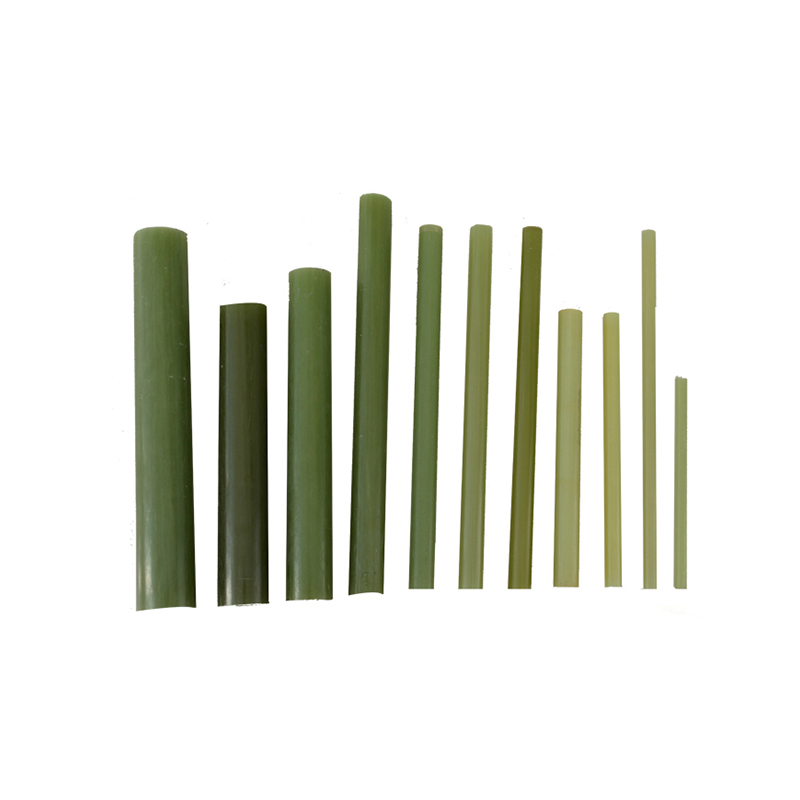
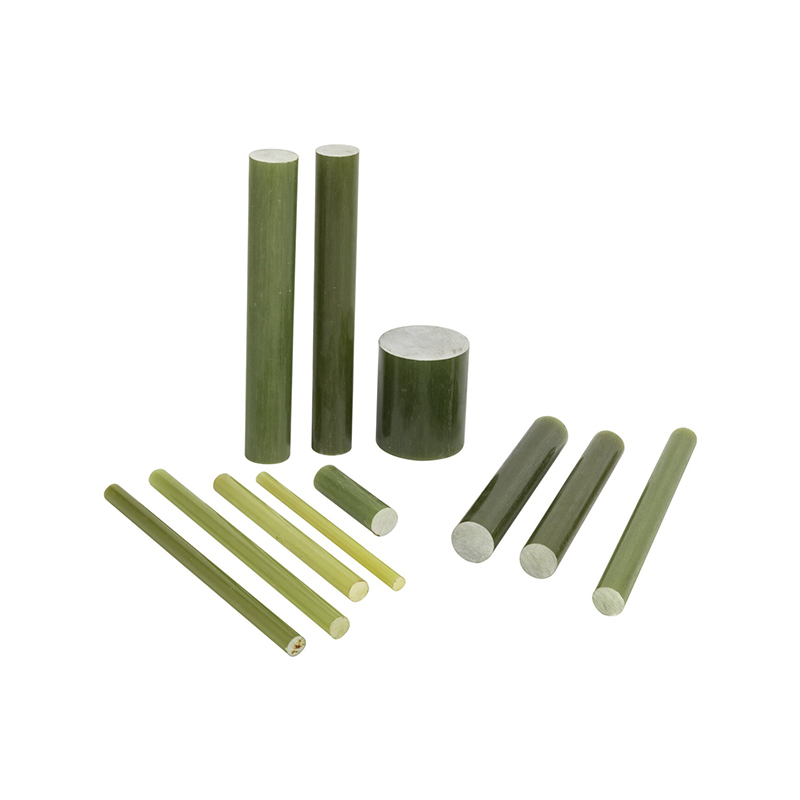
In the market, “FRP rod profiles” usually means pultruded fiberglass rods and solid composite rods, including epoxy rods, fiberglass rods, and insulator core rods. The common construction is E-glass fiber reinforcement in a thermoset resin matrix, often with fillers and additives for electrical, UV, or processing performance.
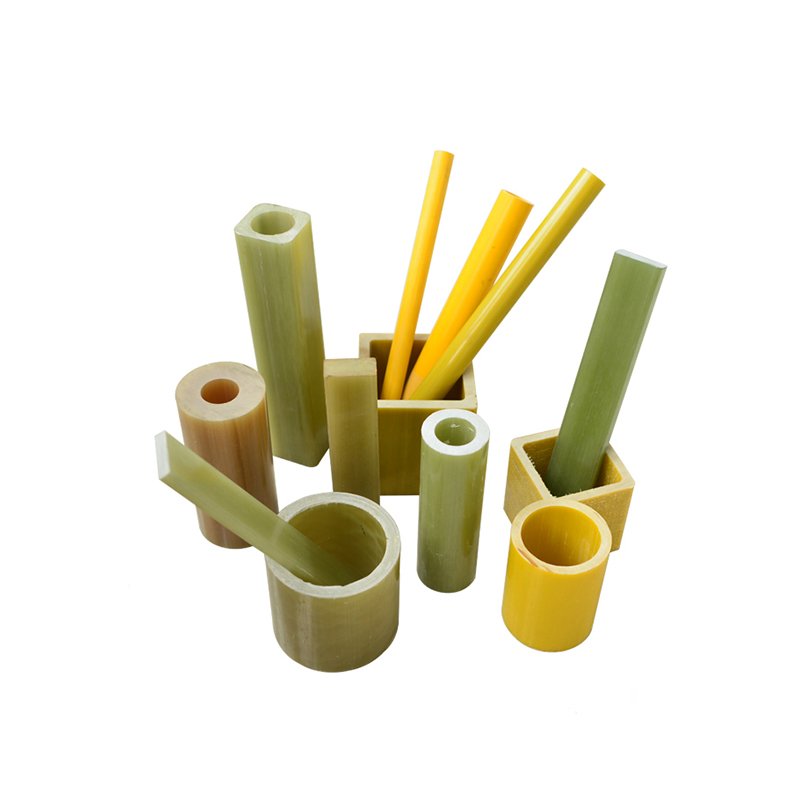
Round rod is the most common form, but “profile” can also mean a custom pultruded section. A round rod is not automatically an insulator core. The end use determines the resin system, filler package, surface finish, test regime, and documentation level. Electrical insulation, structural tie rods, and machining stock should not be purchased to the same single specification.
For epoxy-based electrical applications, the epoxy rod family is a suitable starting point.
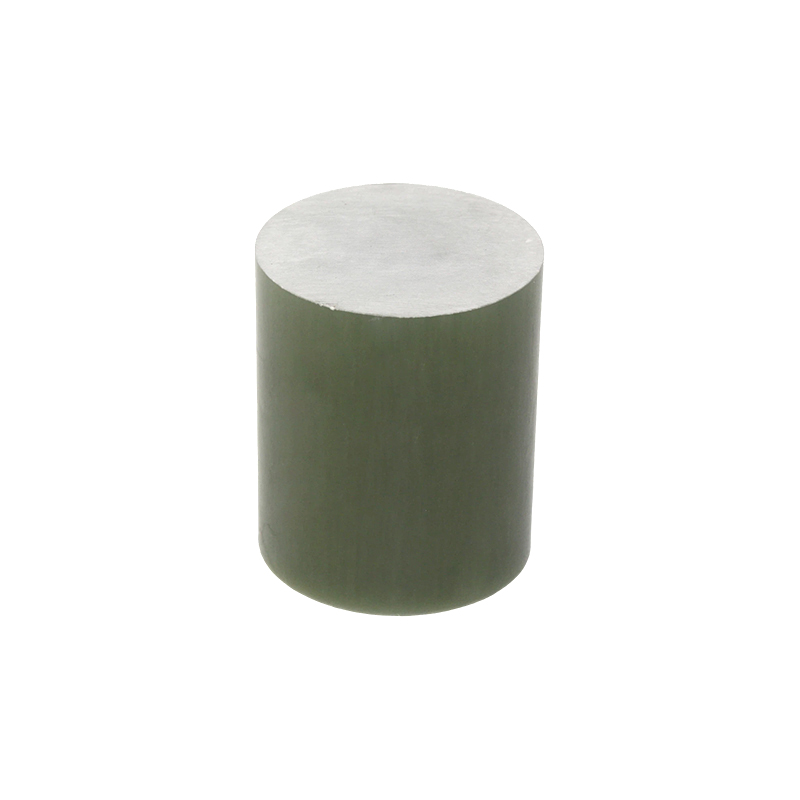 Epoxy Fiberglass Rod for Electrical and Structural ApplicationsEpoxy fiberglass rod offers high fiber content, electrical insulation, and customizable diameters for epoxy-based electrical applications; review property-to-failure-mode checks before selection.View Product →
Tensile strength is useful, but it is a poor standalone selection criterion. FRP rods are anisotropic: fiber direction, resin cure, interface quality, and moisture uptake all change performance. Use a checksheet that links each property to a real failure mode.
| What to check | Why it matters | How to verify |
|---|---|---|
| Fiber type and content | Stiffness, moisture behavior, and electrical performance | Batch records plus burn-off or ignition test at agreed frequency |
| Resin system and cure | Temperature class, tracking resistance, chemical resistance, and creep | Resin certificate, cure records, and glass transition or residual cure test |
| Diameter and ovality | Fit with end fittings, seals, clamps, and machined threads | Micrometer at defined points; record lot and orientation |
| Straightness and surface | Assembly alignment, seal integrity, and tracking risk | Dial gauge and controlled visual inspection before packing |
| Void content and concentricity | Local weak points, partial discharge risk, and bond quality | Cross-section microscopy, ultrasonic checks, or agreed sampling |
| Mechanical properties | Load capacity, deflection, fatigue, and long-term creep | Tensile, flexural, shear, and creep tests to the agreed standard |
| Electrical properties | Insulation reliability in wet or polluted conditions | Tracking, erosion, leakage current, and breakdown tests as applicable |
Start with the function, then set dimensions and tests. A useful technical checklist is available in this selection guide for FRP rod profiles. The sequence below keeps the purchase decision inside engineering control.
For composite insulator production, the insulator core rod route is usually the most direct. The core is an intermediate connecting and insulating part, so its interface with end fittings and housing matters as much as its nominal diameter.
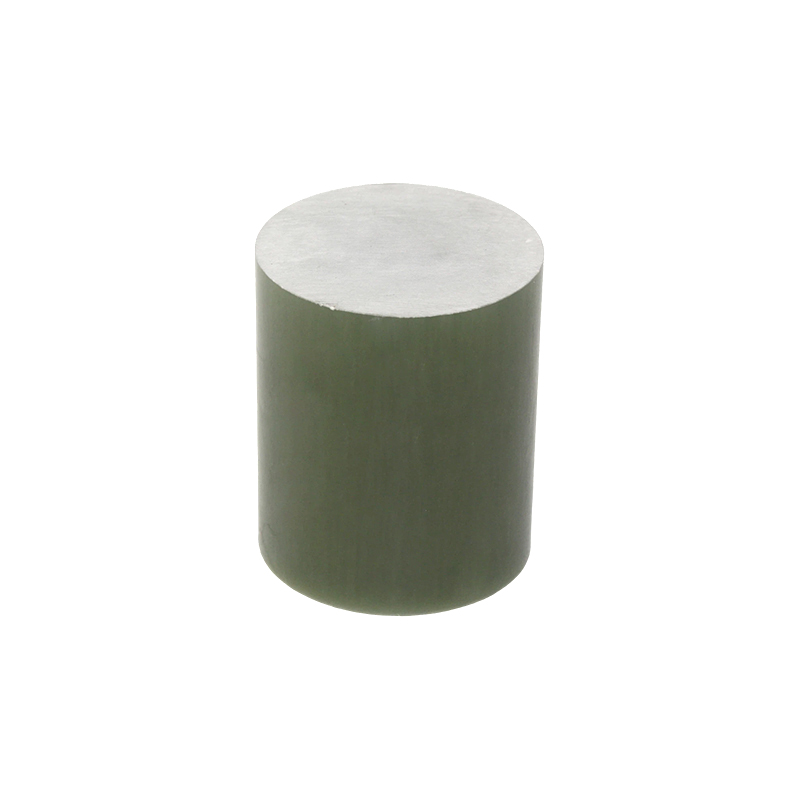 Composite Insulator Core Rod for High-Voltage TransmissionInsulator core rod carries mechanical load in composite insulators; its interface with end fittings and housing matters alongside diameter for high-voltage and substation use.View Product →
FRP rods are used as insulator core rods, tie rods, operating rods, and corrosion-resistant supports. In composite insulators, the rod carries mechanical load while the silicone housing provides weather and pollution resistance. The metal end fittings transfer load into the rod, so crimping or adhesive processes must be validated with the rod supplier.
Typical end uses include composite pin, post, and suspension insulators; railway insulators; cutout fuses at 24 kV and 35 kV; and metal end fittings for insulator, power, and railway applications. The composite insulator product family shows how the rod, housing, and fittings are integrated.
Outside power and rail, fiberglass rods also appear in building, automotive, and environmental equipment where corrosion resistance and low weight are useful. For general fiberglass rod stock, the fiberglass rod product family covers non-insulator duties.
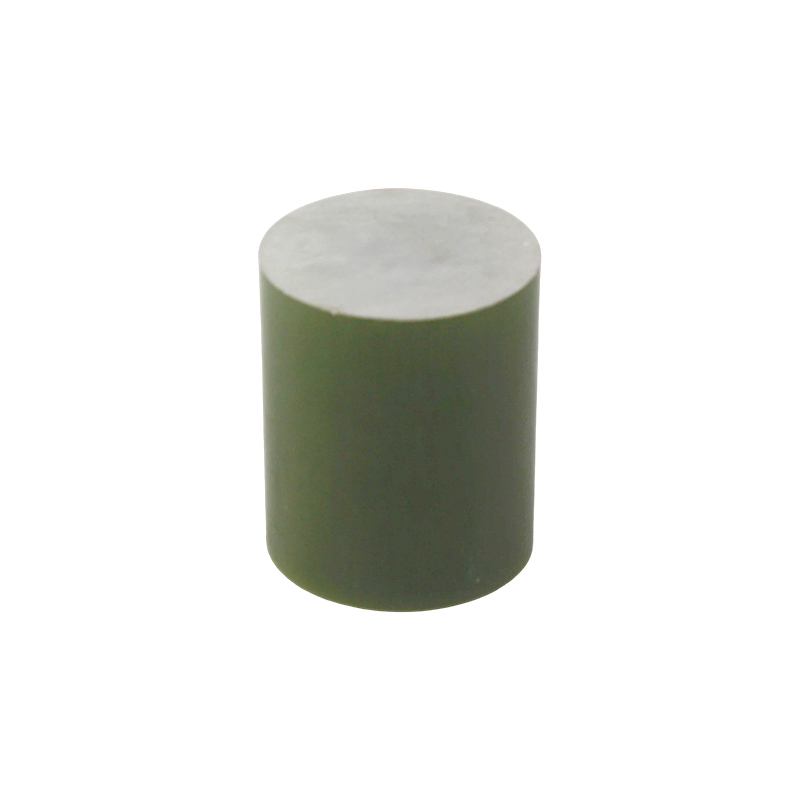 General Fiberglass Rod Stock for Non-Insulator ApplicationsFiberglass rod stock covers non-insulator duties in building, automotive, and environmental equipment, with corrosion resistance, low weight, customizable dimensions, and ISO 9001-backed supplier quality.View Product →
A supplier approval should separate capability from a single sample. Taizhou HuaDong Insulated Material Co., Ltd. operates an ISO 9001 quality management system and states that it uses self-inspection, mutual inspection, and specialist inspection, with quality control holding a veto.
For insulator core rods, test certificates should reference the applicable clauses of IEC 61109, GB/T 19519, or JB/T 8460, not just a generic “IEC compliant” statement. Check the following:
Most FRP rod problems appear as a mismatch between the drawing and the process, not as an immediate material failure. The common risks are:
Write the drawing around the interface. If the rod fits a metal end fitting, agree on rod diameter, ovality, straightness, surface condition, and adhesive or crimping window together. Do not approve a supplier on one polished sample; approve the process window and the lot data.
A rod is normally a solid round pultrusion. “Profile” is broader and can include round rods, tubes, and custom pultruded sections. In procurement, use the drawing and end use, not the label alone.
Yes, when designed for anisotropy, buckling, creep, and connection details. Do not use steel-equivalent safety factors without checking the actual load direction and environment.
Epoxy is common for insulator core rods, but resin chemistry alone is not enough. Filler type, cure, interface quality, and tracking tests decide whether the rod is suitable.
Send the same drawing, the same test standard, the same sampling plan, and the same documentation requirement. Compare lot traceability and process control, not only price per meter.
FRP rod profiles reward buyers who specify interfaces, tests, and traceability before price negotiation. The right rod is not the one with the highest headline strength; it is the one whose diameter, resin, cure, surface, and test data consistently match the end fitting, housing, or mechanical joint.
Taizhou HuaDong has produced FRP rods, insulator core rods, winding tubes, composite insulators, metal end fittings, and cutout fuses since 1994, serving power, railway, and industrial customers in multiple regions. A clear drawing and a lot-based approval plan remain the fastest route to a reliable supply.
Contact Us

jszn@vip.163.com
jsthim@188.com

0086 523-88026699
0086 523-88665172



Quick Links
Product Categories
Message Us Now !