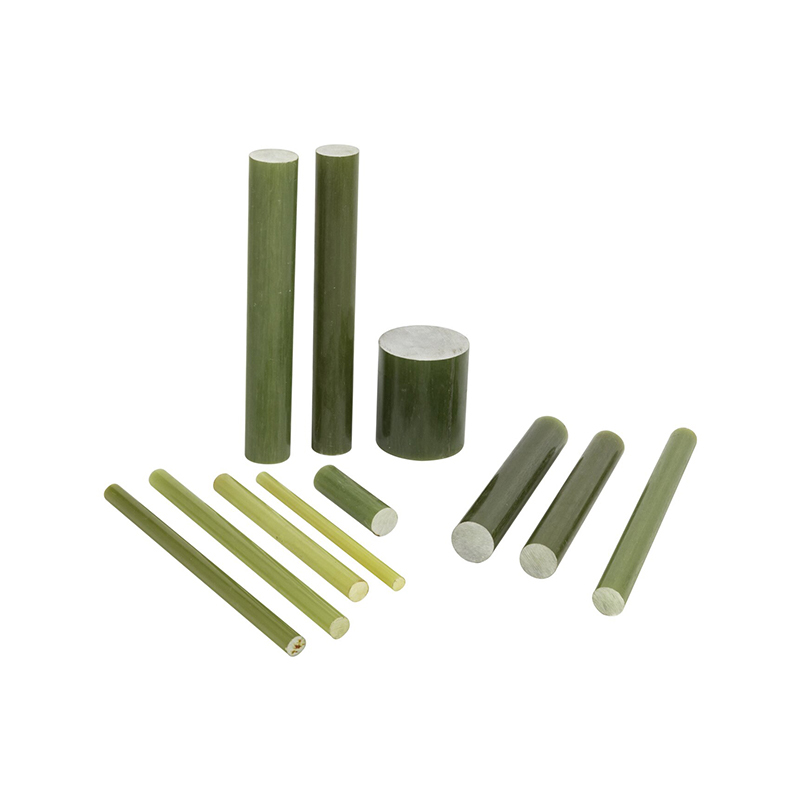
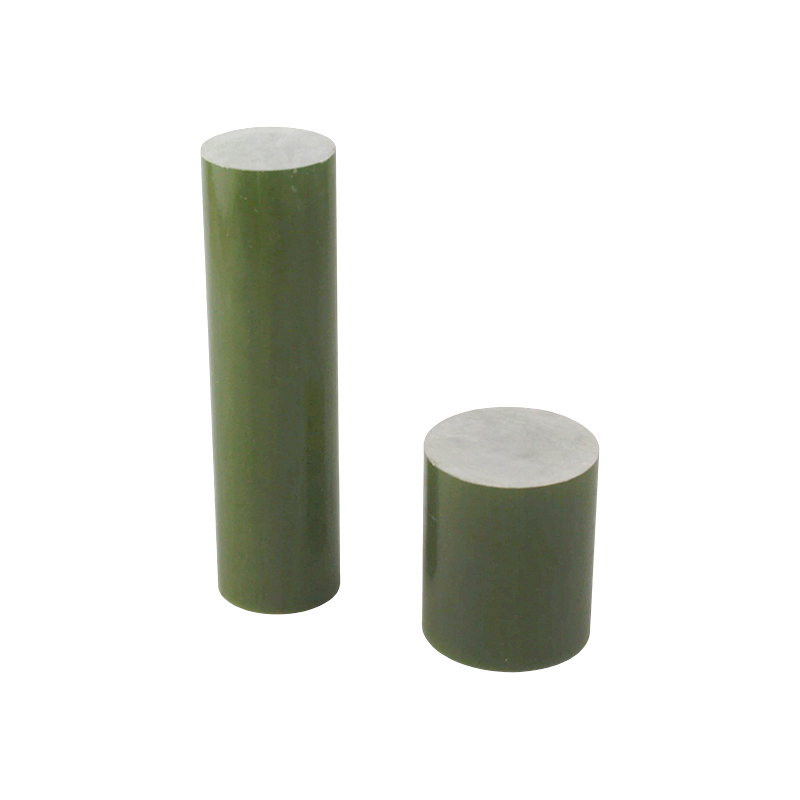
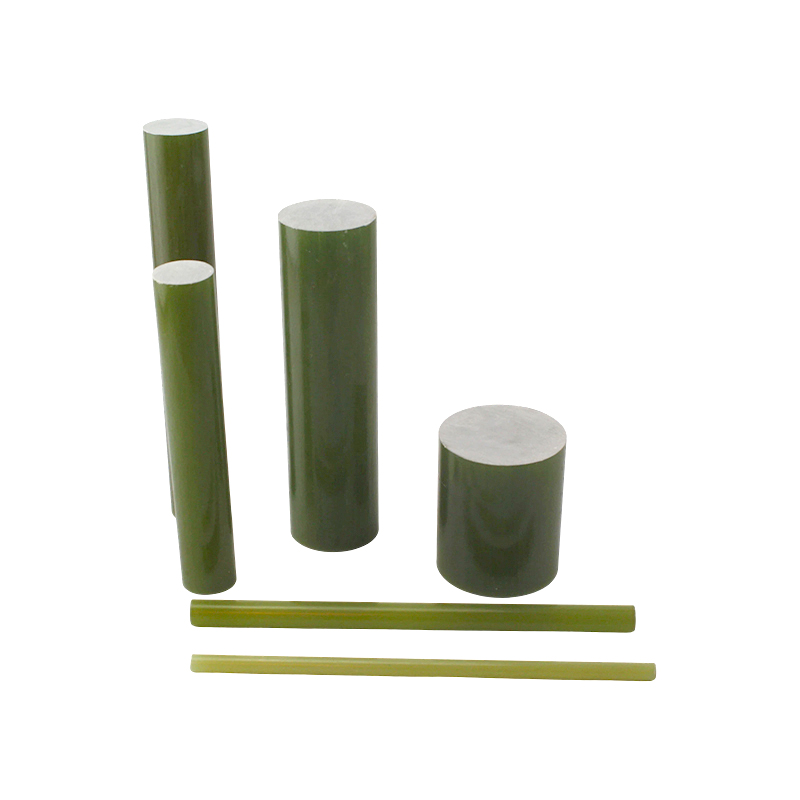
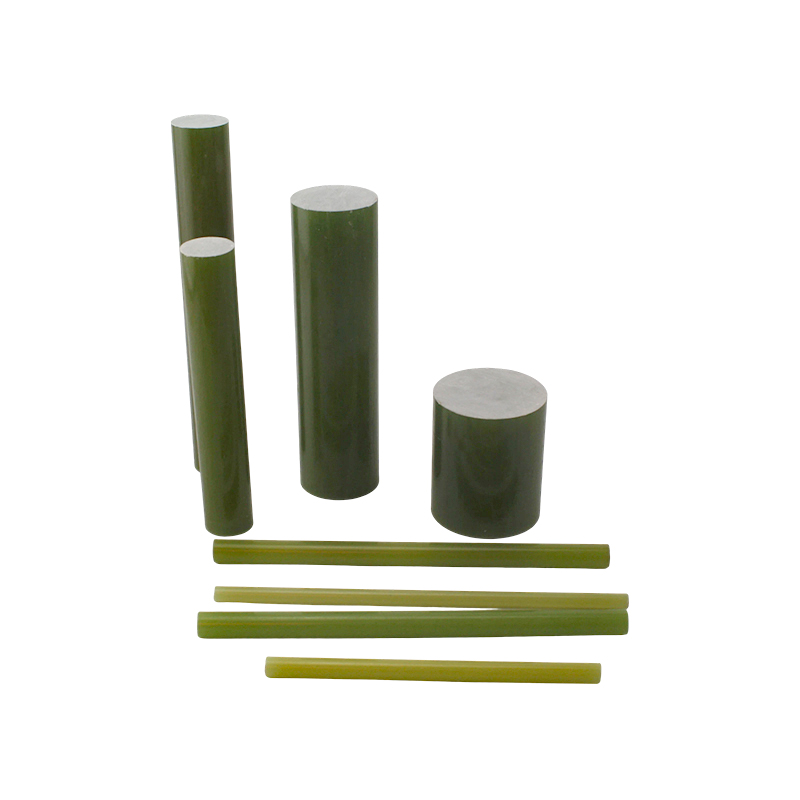
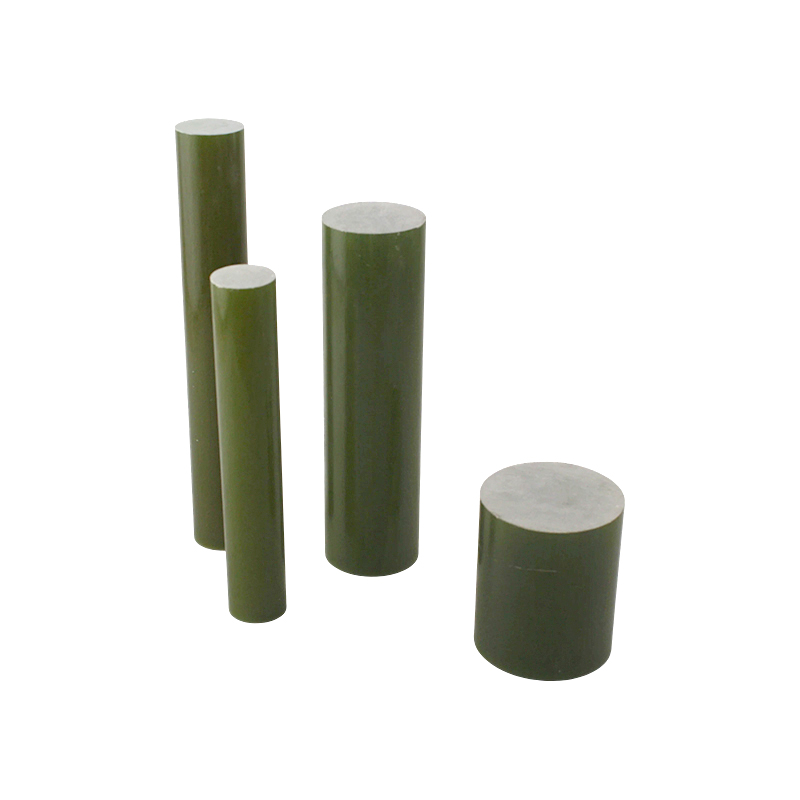
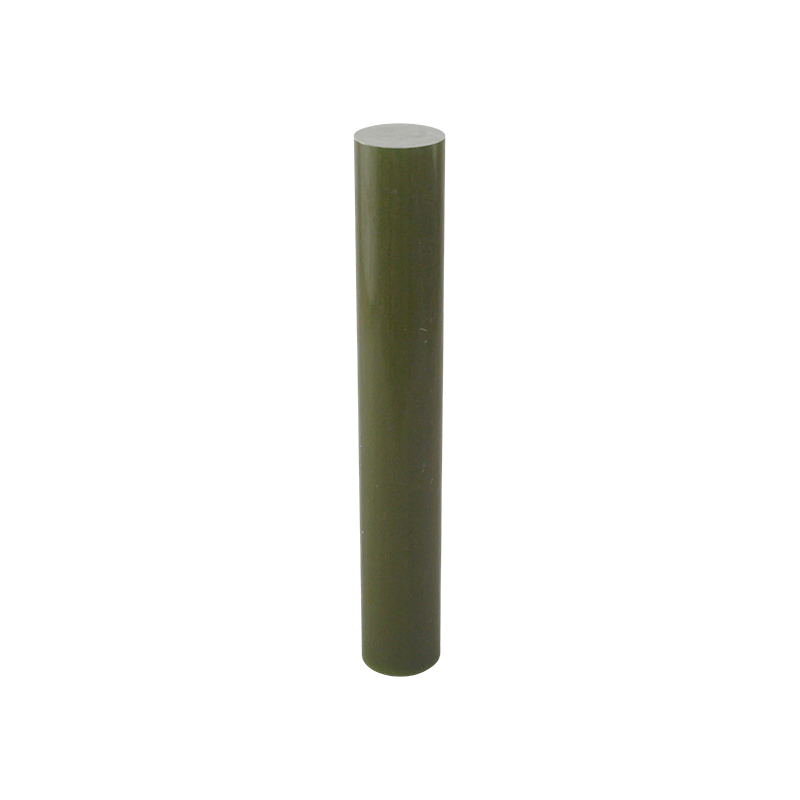
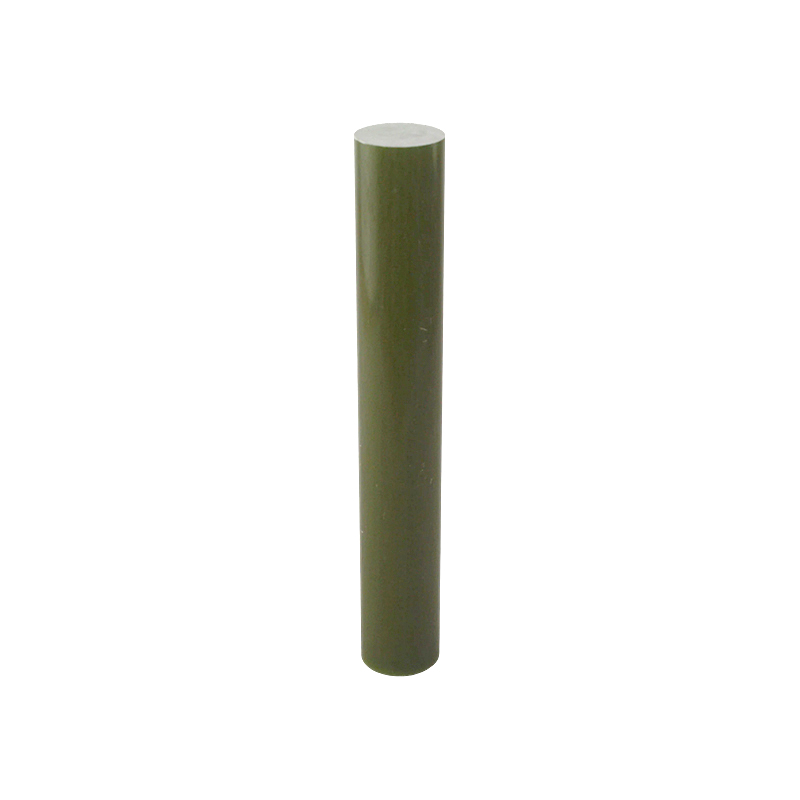
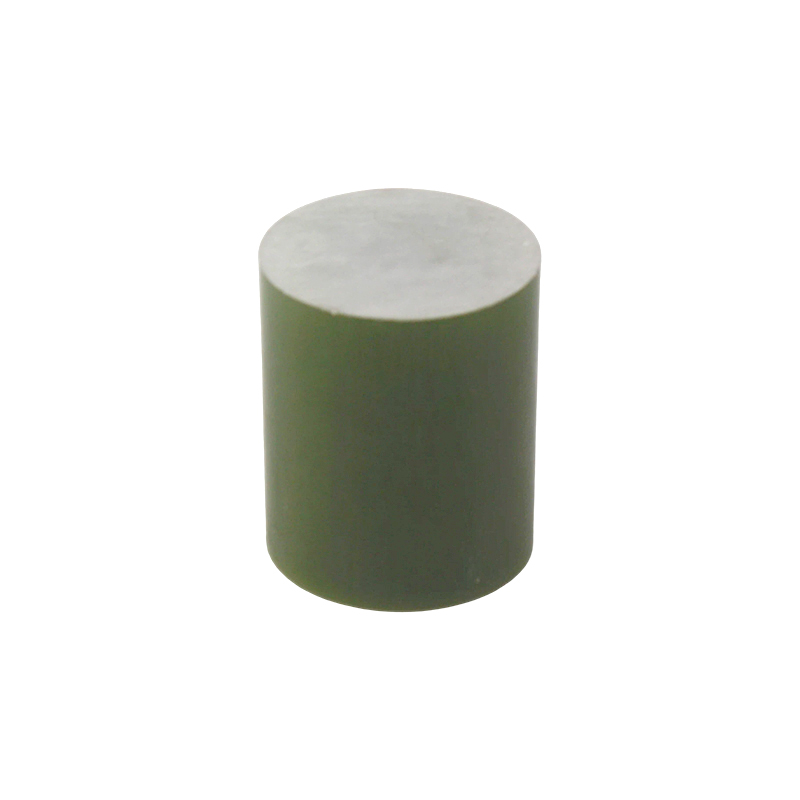
Fiberglass rods are high-performance composite rods fabricated using fiberglass as the reinforcing material and a resin matrix (such as epoxy resin, unsaturated polyester resin, etc.), compounded through processes such as winding, pultrusion, or molding. They are classified as a type of Fiberglass Reinforced Plastic (FRP).
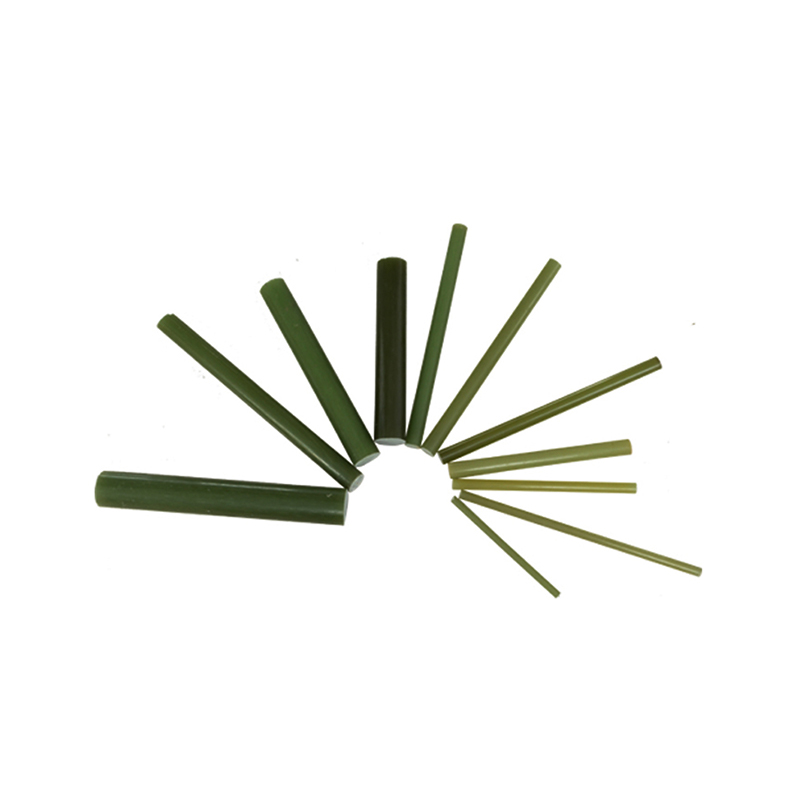
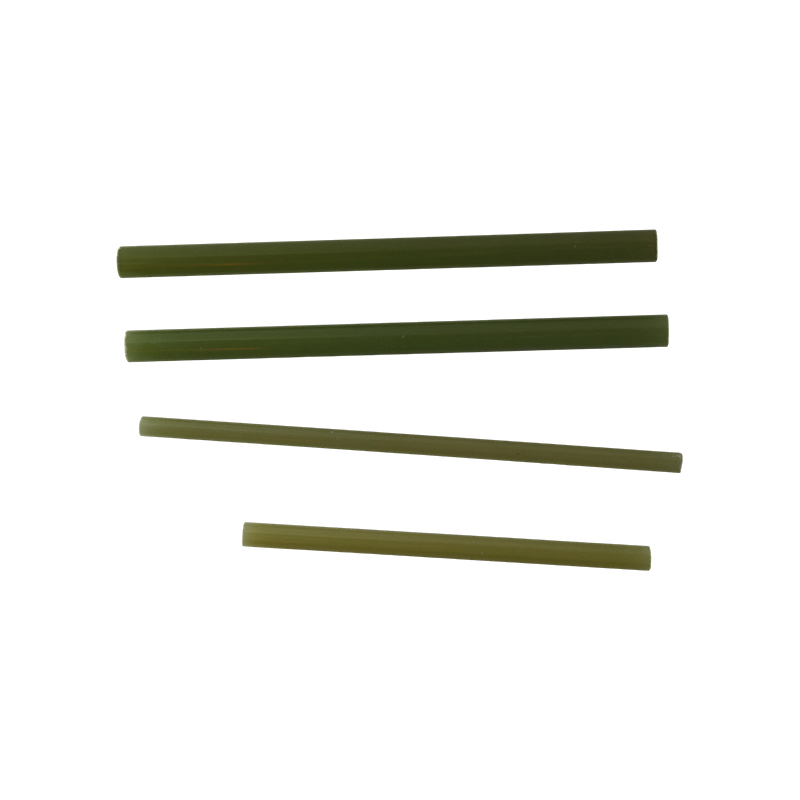
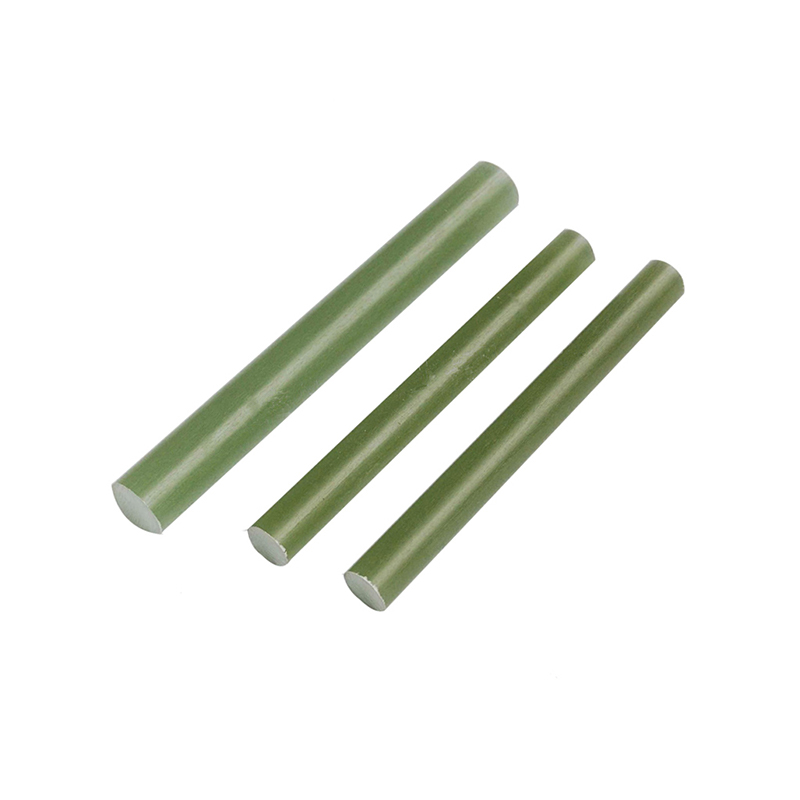
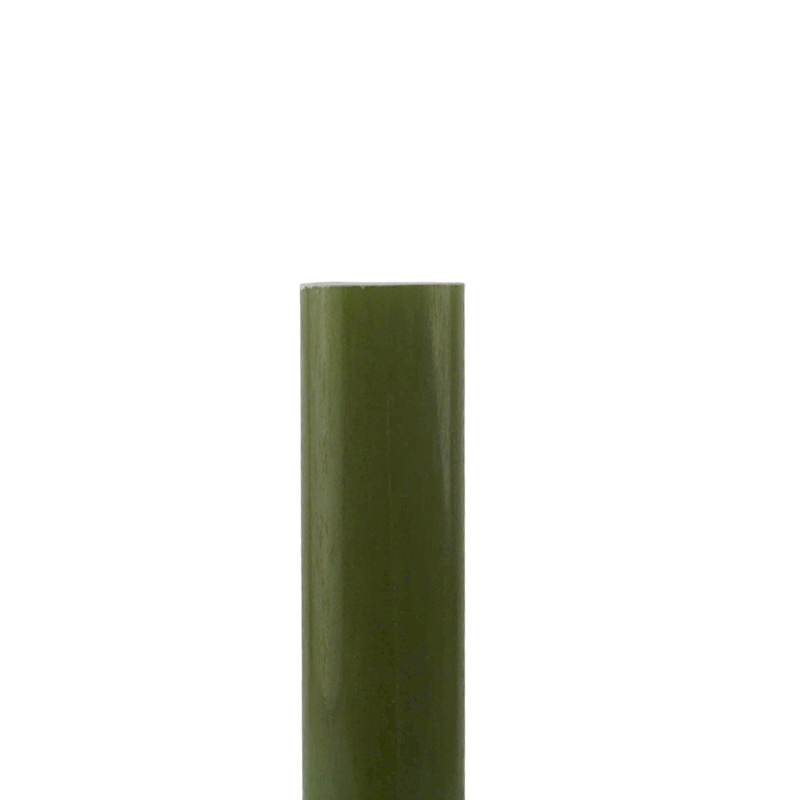
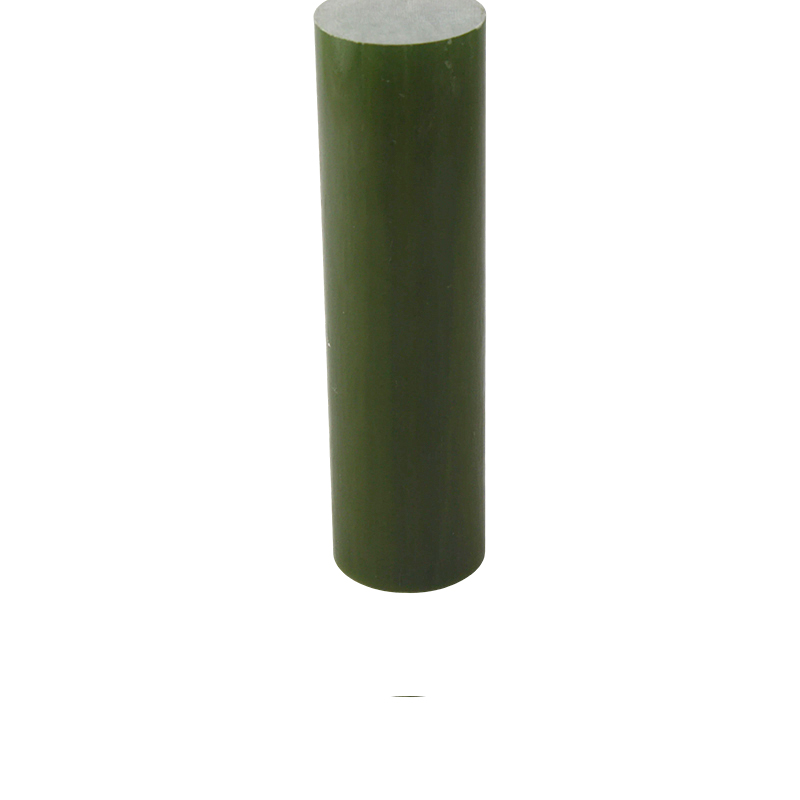
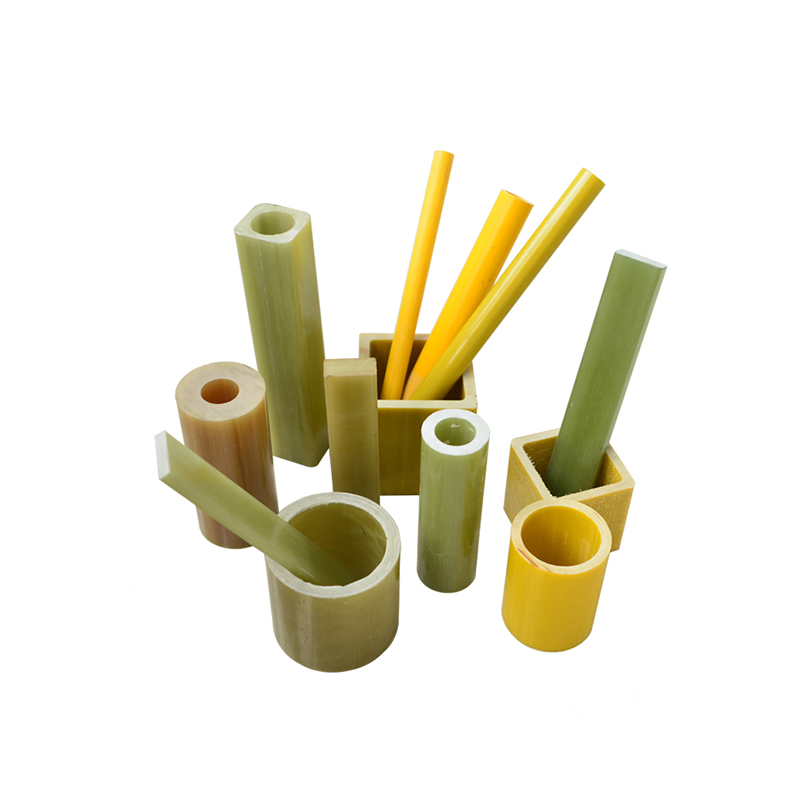
1. Appearance Characteristics The primary colors are olive green or yellow-green; some products may be transparent or semi-transparent. The shape is predominantly cylindrical, though square or custom-profile rods are also available. The surface is smooth, dense, and possesses a distinct luster. Available in various specifications regarding diameter and length, ranging from short rods to long bars.
2. Key Features High Strength & Rigidity: Exhibits excellent tensile and flexural properties. Lightweight: Density is significantly lower than that of metal materials. Corrosion Resistance: Demonstrates excellent resistance to chemical media such as acids, alkalis, salts, and solvents. Excellent Electrical Insulation: Possesses superior dielectric properties. Heat Resistance: Exhibits good thermal stability and can withstand elevated temperatures. Dimensional Stability: Highly stable in size and resistant to deformation. High Design Flexibility: Length, diameter, and shape can be customized according to specific requirements. Ease of Processing: Can be easily cut, drilled, sanded, and bonded. Eco-friendly & Non-toxic: Environmentally safe and free from heavy metals.
3. Main Applications Industrial Structural Components: Used to manufacture mechanical parts, support rods, transmission shafts, insulation rods, etc. Electrical Insulation Materials: Utilized in power equipment, transformers, high-voltage insulators, etc. Chemical Anti-corrosion Equipment: Used to manufacture corrosion-resistant pipes, flanges, valves, reactor linings, etc. Architecture & Decoration: Applied in lightweight structural beams, decorative trim, stair handrails, etc. Electronics & Instrumentation: Used for electronic device enclosures, instrument stands, antenna masts, etc. Marine & Transportation: Applied to hull structural components, rail transit parts, etc.
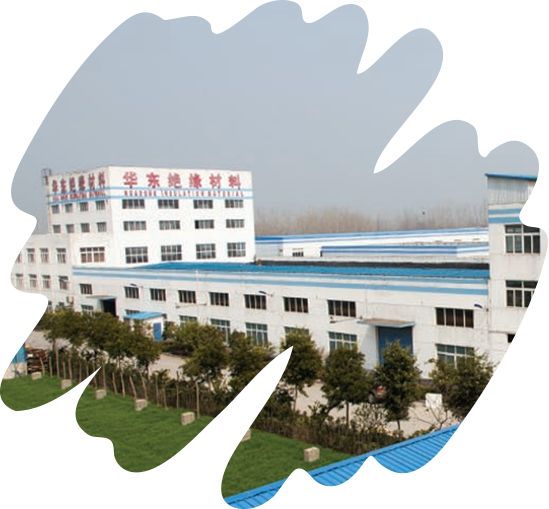
As China Fiberglass Bar Manufacturers and Fiberglass rod Company, Taizhou HuaDong Insulated Material Co., Ltd (FORMER Yangzhou Dajieshi FRP products Co., Ltd), which was founded in October in 1994.
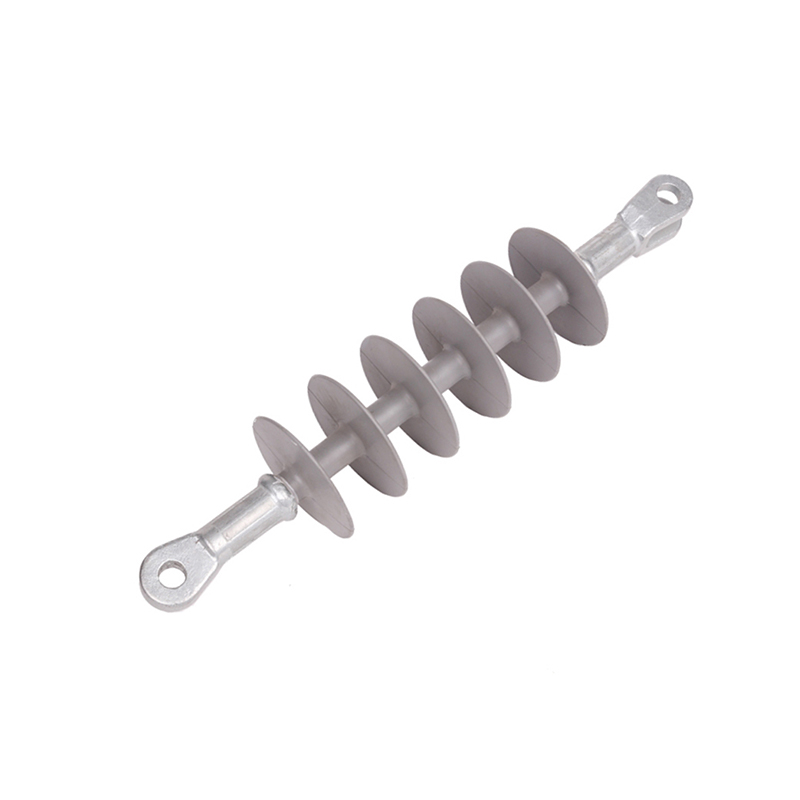
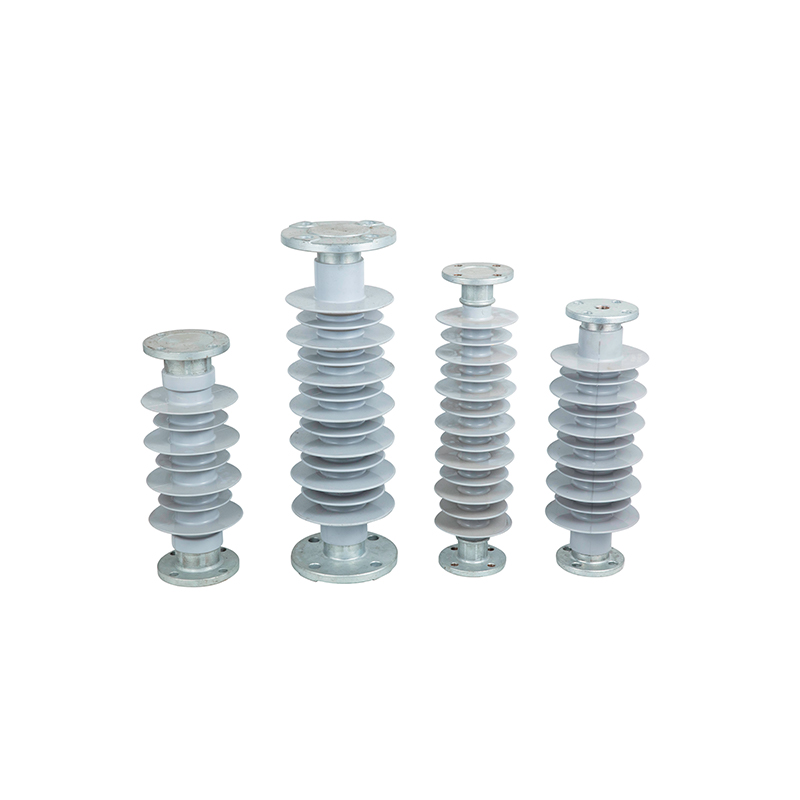
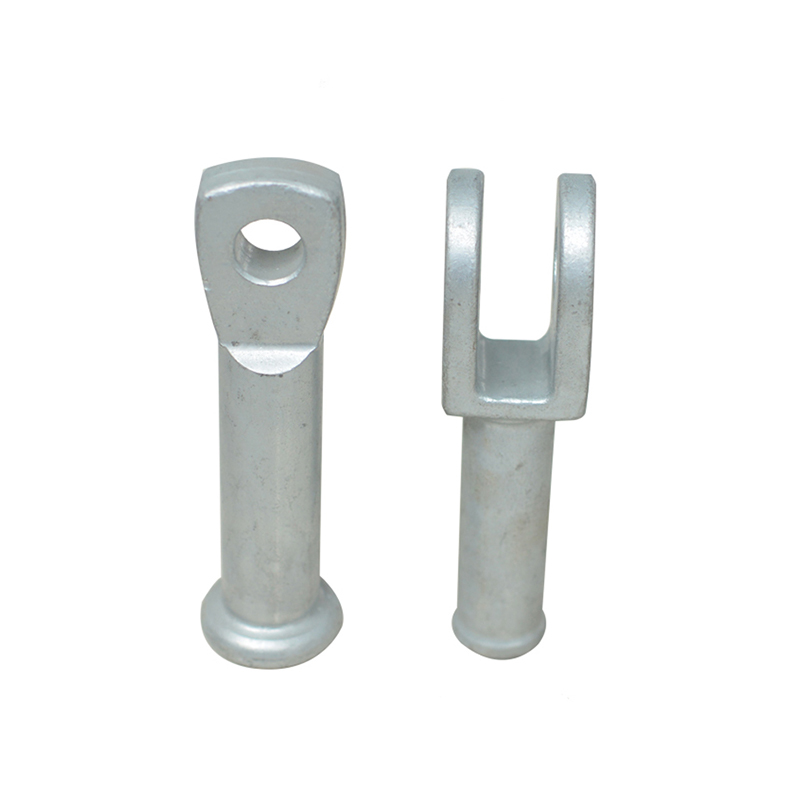
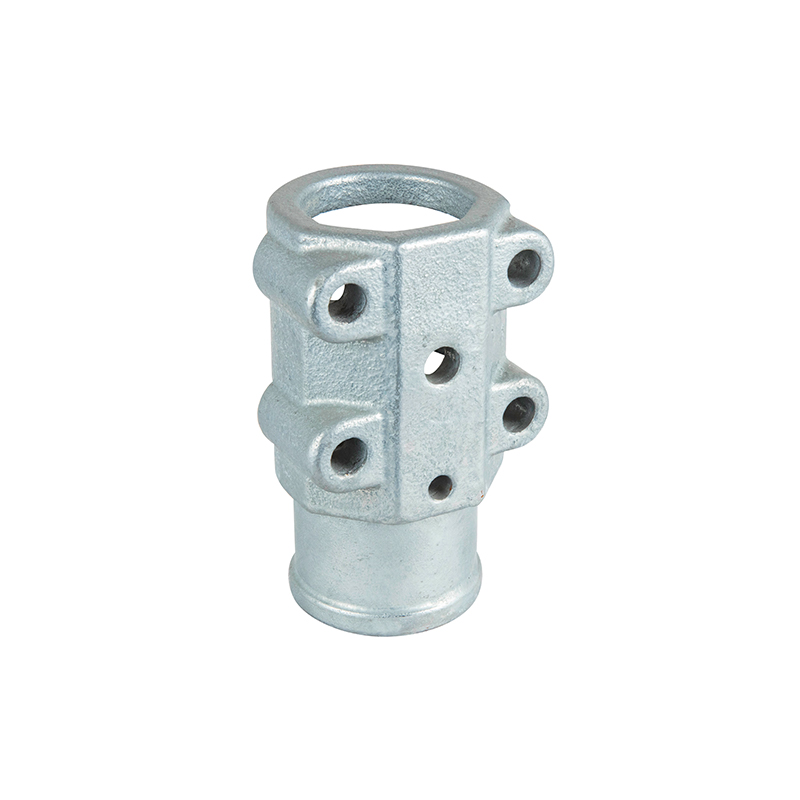
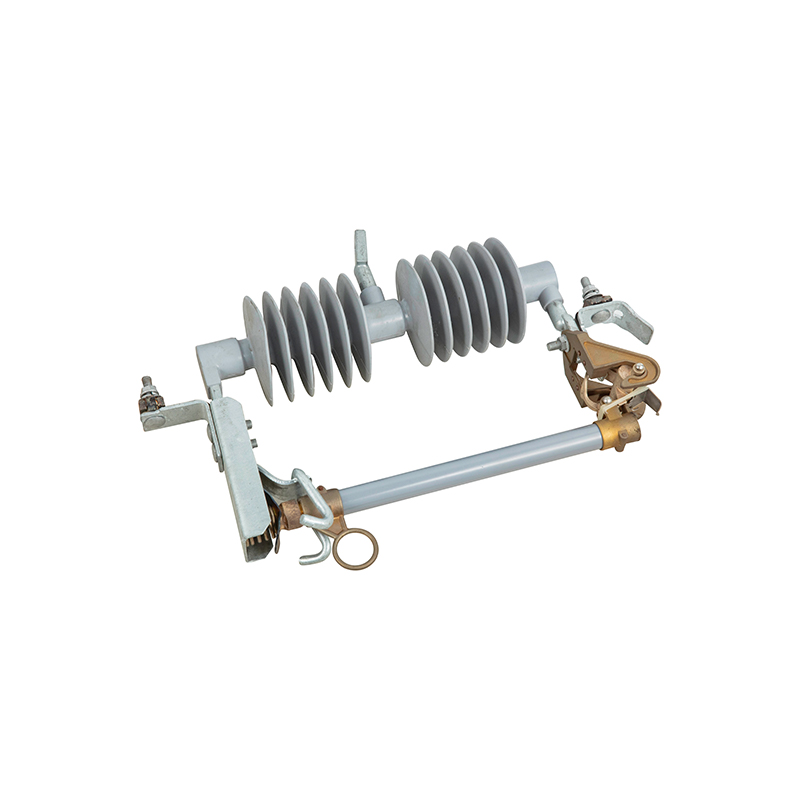
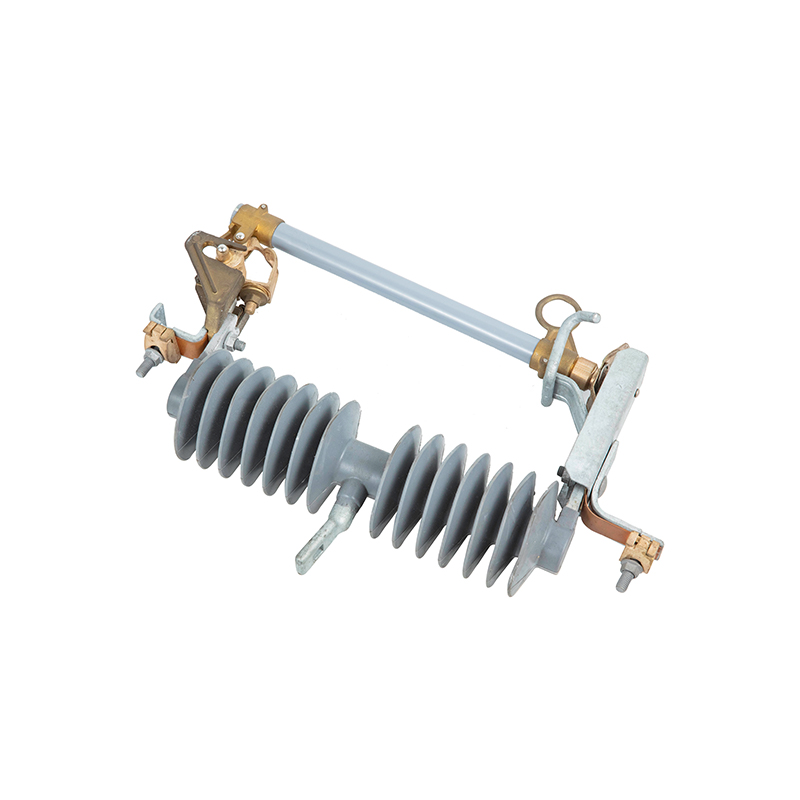
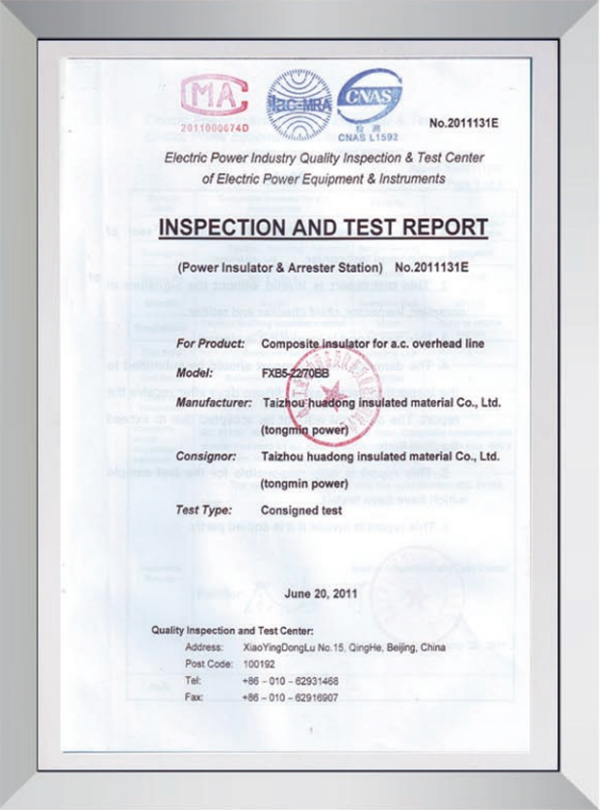
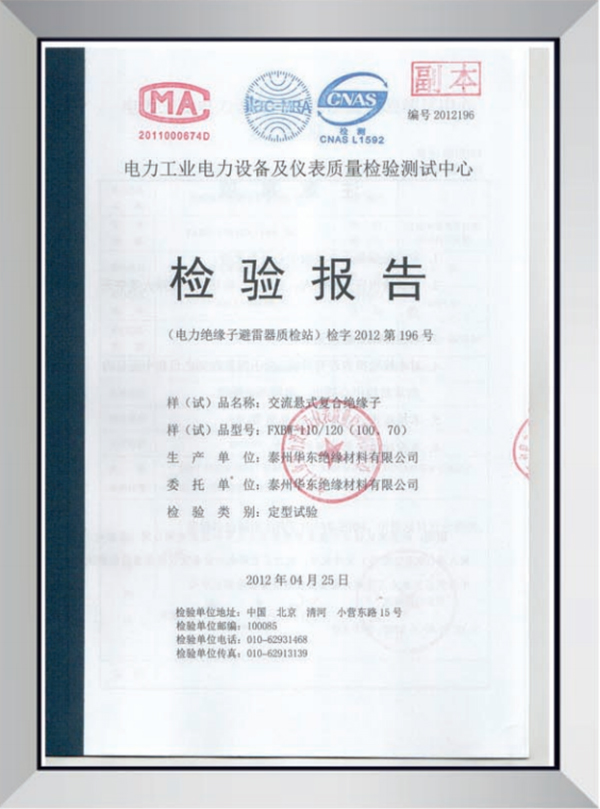
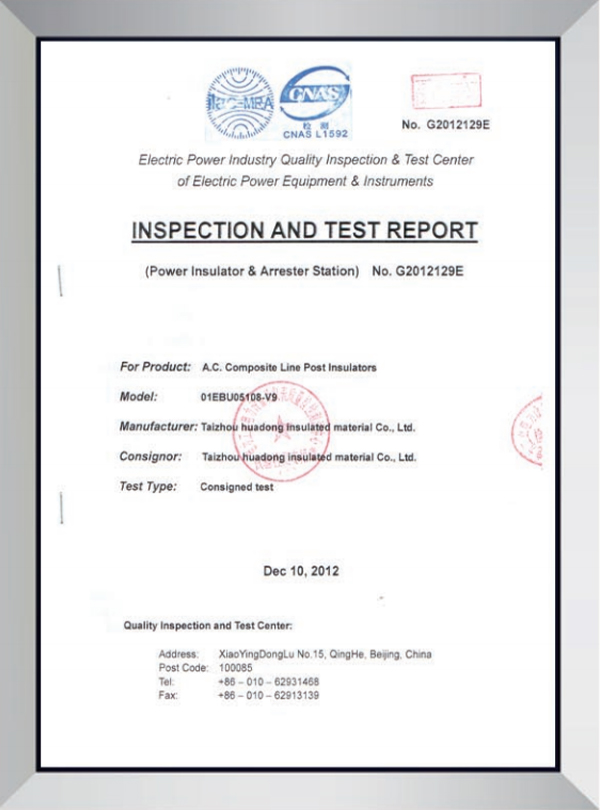
Our company is mainly engaged in the production of FRP ROD profiles, related terminal parts and accessory products. The terminal and accessories products such as various types of composite insulators, silicone rubber insulator fittings, line fittings and so on.The epoxy fiberglass core we produce as an intermediate connector and insulating parts is widely used in all fields and many kinds of composite insulator production. The profiles and composite insulators are widely used in electric power electronics and electrical railways. In the construction, automotive and environmental protection field IHIM products arewidely sales in North and South America.Africa.Asia. Europe ete such as USA.Kenya. Korea.India, Vietnam, Iran, Russia, Germany.Romania and other countries and vast areas in our country. THIIM is becoming a well-known supplier for insulation products field globally.
A composite insulator that fails in service rarely fails because the silicone housing was the wrong color. It fails because the fiberglass core inside it was selected, manufactured, or handled without enough attention to the details that actually control mechanical strength and ...
An overhead railway line is only as reliable as its least visible component. The railway insulator, often taken for granted, is the hard-working barrier that keeps high-voltage current in the catenary wire and away from masts, bridges and maintenance crews. Choosing the wrong in...
At 6:40 on a weekday morning, the 27.5 kV feeder inside a busy urban tunnel loses insulation. The pantograph drops, the train glides to a halt, and every service behind it stacks up. In most cases the failed component is not the feeder cable or the circuit breaker, but the railw...
A fiberglass rod is a high performance composite rod built from fiberglass reinforcement and a resin matrix, compounded through winding, pultrusion, or molding, and classified as a type of fiberglass reinforced plastic. Buyers searching for solid fiberglass rods, fiberglass sticks, or a fiberglass bar for a structural or insulation job are typically looking at the same underlying product family, and Taizhou HuaDong Insulated Material Co., Ltd. produces this rod as the base material behind several of its own finished products, from composite insulators to precision structural parts.
What a Fiberglass Rod Is Made Of
The rod comes together from two raw materials and one of three processes, and Taizhou HuaDong Insulated Material Co., Ltd. selects the combination based on what the finished rod needs to do.
Predominantly cylindrical, with square or custom profile rods also available.
Surface
Smooth and dense, with a distinct luster.
Sizing
A wide range of diameter and length specifications, from short rods to long bars.
Key Features
High Strength and Rigidity
Excellent tensile and flexural properties.
Lightweight
Density significantly lower than metal materials.
Corrosion Resistance
Resists chemical media such as acids, alkalis, salts, and solvents.
Electrical Insulation
Superior dielectric properties.
Heat Resistance
Good thermal stability at elevated temperatures.
Dimensional Stability
Highly stable in size and resistant to deformation.
Design Flexibility
Length, diameter, and shape can be customized.
Ease of Processing
Can be cut, drilled, sanded, and bonded.
Eco-Friendly and Non-Toxic
Environmentally safe and free from heavy metals.
Taizhou HuaDong Insulated Material Co., Ltd. builds every fiberglass bar around this same feature set, which is why the same base rod can move from an industrial support role into an electrical insulation role without a change in raw material.
Main Applications
Industrial Structural Components
Mechanical parts, support rods, transmission shafts, insulation rods.
Electrical Insulation Materials
Power equipment, transformers, high voltage insulators.
Both products come out of the same FRP rod category at Taizhou HuaDong Insulated Material Co., Ltd., but they are not identical specifications.
Aspect
Fiberglass Rod
Resin Options
Epoxy resin or unsaturated polyester resin
Forming Process
Winding, pultrusion, or molding
Shape Options
Cylindrical, square, or custom profile
Color
Olive green, yellow-green, transparent, or semi-transparent
What is the difference between a fiberglass rod and an epoxy rod
Fiberglass rod is the broader category, made with fiberglass reinforcement and a resin matrix of either epoxy resin or unsaturated polyester resin using winding, pultrusion, or molding, while an epoxy rod is a specific type that uses epoxy resin and is manufactured through pultrusion.
Are fiberglass rods available in transparent versions
Yes, alongside the primary olive green or yellow-green colors, some fiberglass rod products are transparent or semi-transparent.
What shapes do solid fiberglass rods come in besides round
The shape is predominantly cylindrical, but square rods and custom profile rods are also available.
Can fiberglass sticks be cut or drilled on site
Yes, fiberglass rods can be easily cut, drilled, sanded, and bonded during installation or fabrication.
Are fiberglass rods safe and non-toxic to handle
Fiberglass rods are described as eco-friendly and non-toxic, and are free from heavy metals.
What determines a fiberglass rod price on a quotation
A quotation is generally based on the diameter, length, resin type, and order quantity, so confirming the specification first speeds up getting an accurate price.