Content
Two suppliers quote the same 24 mm epoxy FRP rod within 15% of each other. Both send test certificates, both pass a visual check, and both read inside tolerance on the incoming gauge. Nine months later one batch stalls at the crimping station: forty rods out of two hundred sit 0.15 mm under nominal, slip in the end-fitting bore, and the lot goes back.
FRP rod behaves like that. On the dock it is a smooth, inert-looking cylinder; the properties that decide whether it lasts twenty years at 24 kV are mostly invisible. The short version comes first, then the reasoning behind it.
If your RFQ has room for only three checks, use these: E-glass content by weight, diameter tolerance, and the result of a dye penetration test. Insulator-grade rod normally runs 75–82% glass by weight, holds ±0.1 mm on diameter (tighter where the rod is crimped into a metal end fitting), and shows no dye at the fibre–resin boundary after a dye penetration test carried out to IEC 61109.
Surface finish, colour and even straightness matter less, and they are also easier to disguise with a resin-rich skin. A rod that is short on glass still looks like a premium product; its deficiency turns up as creep and sag under sustained tension, months or years later. A rod with voids running along the fibre interface behaves worse: water migrates in, and in a composite insulator the outcome has a name — brittle fracture, where the core snaps at a fraction of its rated load.
Fix the order of checks as well. Dye penetration runs on a short sample, glass content on a cut section, and diameter on 100% of rods whenever they are headed for a crimped joint.
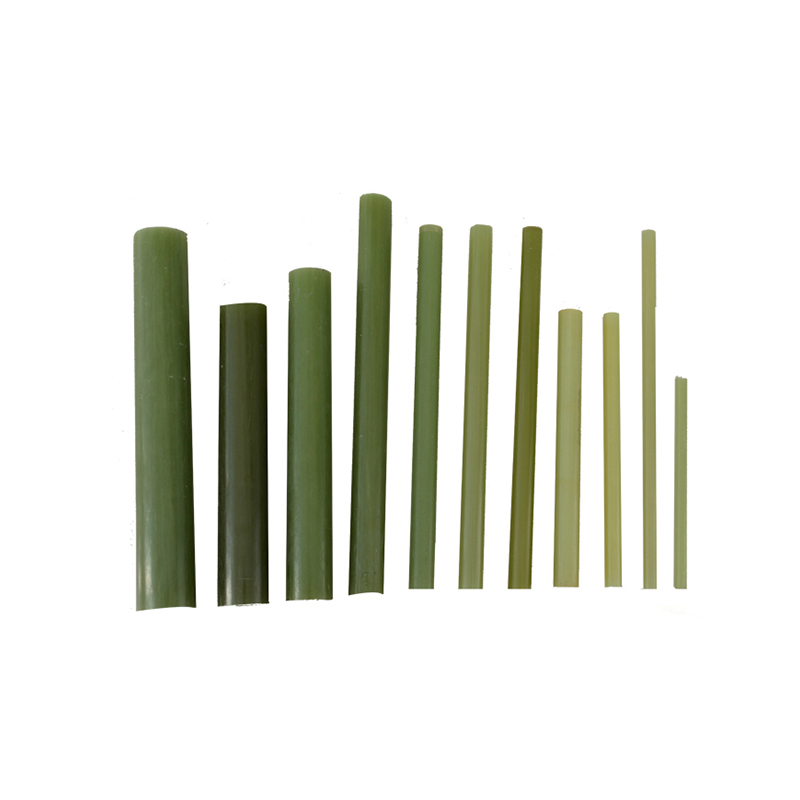
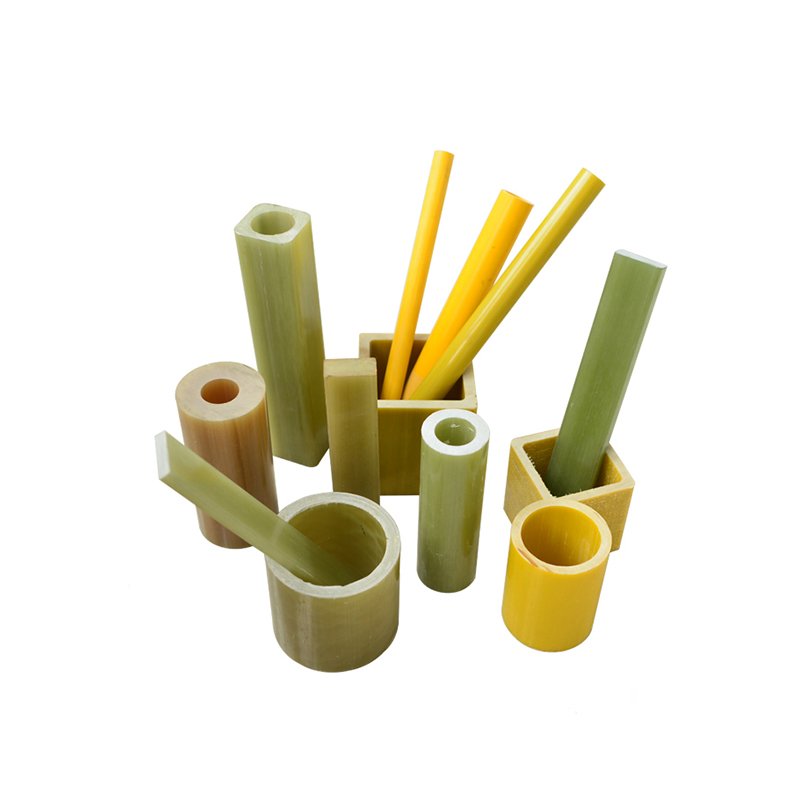
FRP rod is the family name — a pultruded profile of E-glass roving in a thermoset resin. What you actually receive depends on the resin and the end use, and the four labels are not interchangeable on a purchase order.
Ask for the resin system before you ask for a price. Most of the 20–30% spread between two quotes for the "same" rod is a resin and glass-content difference, not a margin difference.
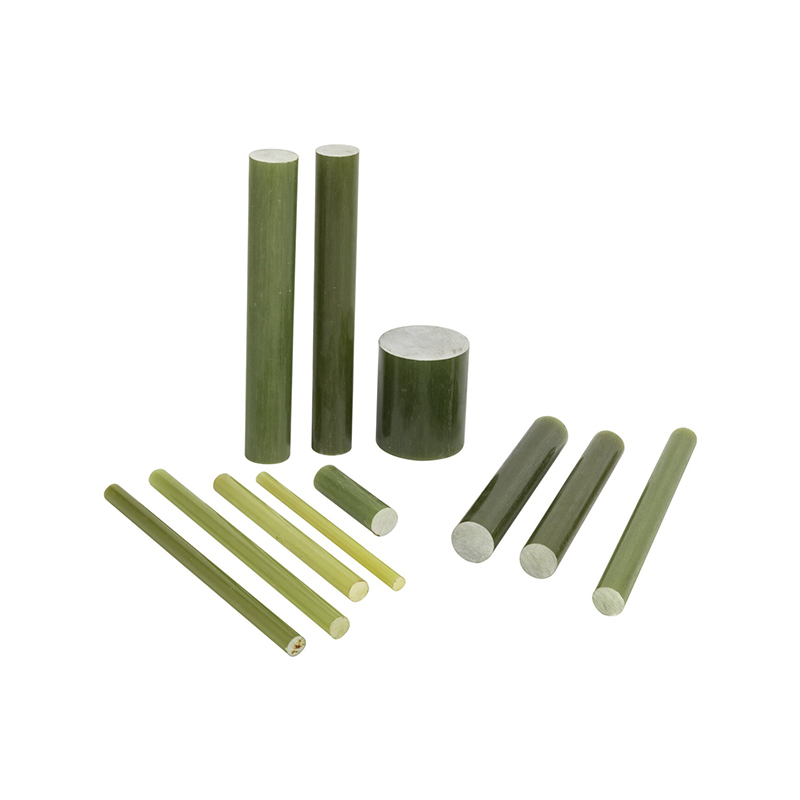
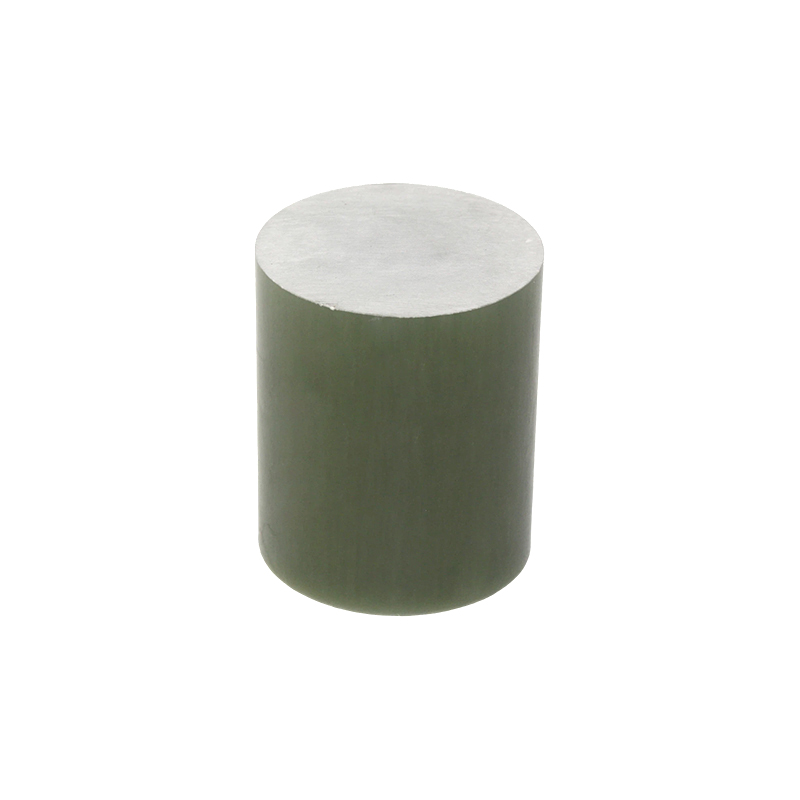 Epoxy Fiberglass Rod for Insulation and Structural SupportPultruded epoxy and glass rod for comparing resin systems, fiber content, diameter and tolerance before requesting written specification confirmation.View Product →
A one-page technical annex prevents most arguments later. Take the table below to your supplier, delete the rows that do not apply, and ask for each remaining line to be confirmed in writing with a test report that carries a date and a lot number. If you want a longer walkthrough of how profile, resin and tolerance choices interact, our guide to choosing the right FRP rod profiles goes further.
| Property | Typical value | Why it matters | How to verify |
|---|---|---|---|
| Glass content by weight | 75–82% | Carries the tensile load; low glass shows up as creep and sag | Burn-off or acid digestion on a cut sample |
| Density | 2.0–2.2 g/cm³ | Fast cross-check on glass content and void level | Weigh a machined piece in water |
| Tensile strength | 1,000 MPa and above along the axis | Sets the mechanical class of the finished insulator | Full-section tensile test to IEC 61109 |
| Diameter tolerance | ±0.1 mm standard, ±0.05 mm for crimped joints | Undersize slips in the fitting bore, oversize jams it | Micrometer at both ends and mid-length |
| Dye penetration | No dye at the fibre–resin boundary | Exposes voids that precede brittle fracture | Sample test to IEC 61109 |
| Water diffusion | Leakage current within the standard limit after 100 h boiling | Predicts behaviour in humid and coastal climates | Boiling water test on a rod section |
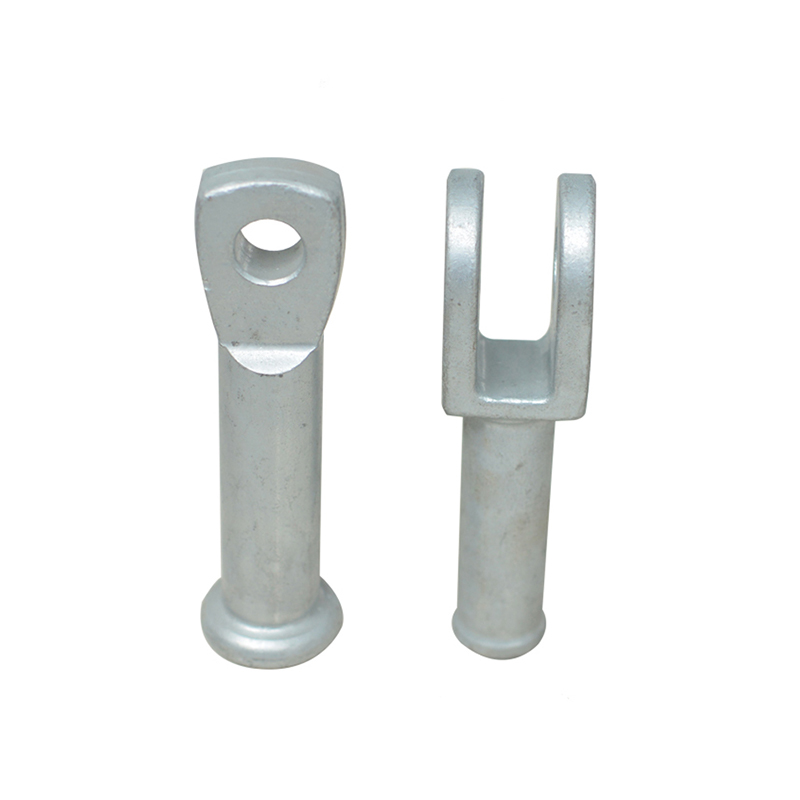
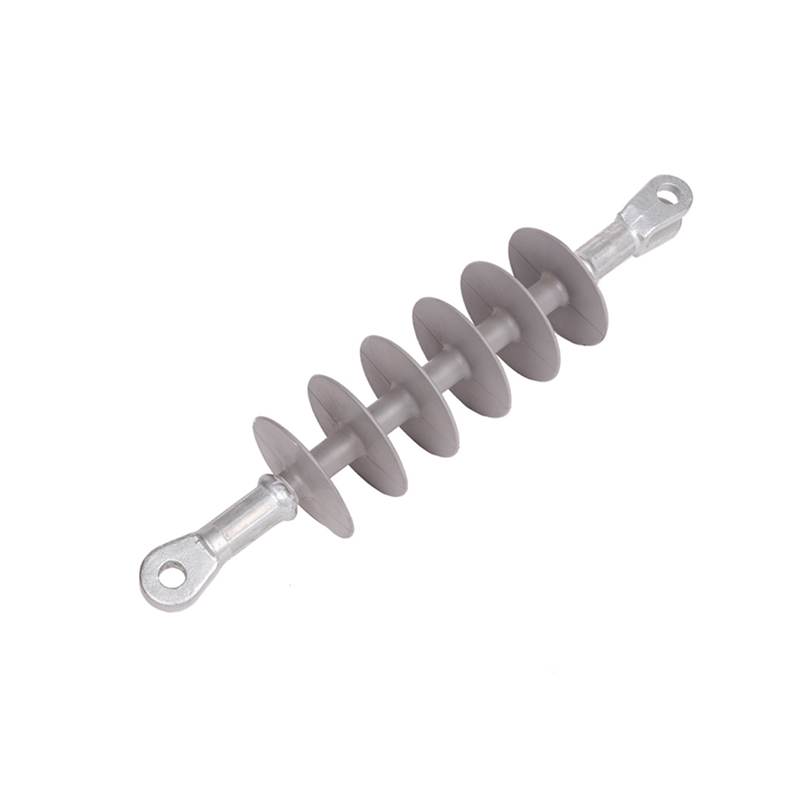
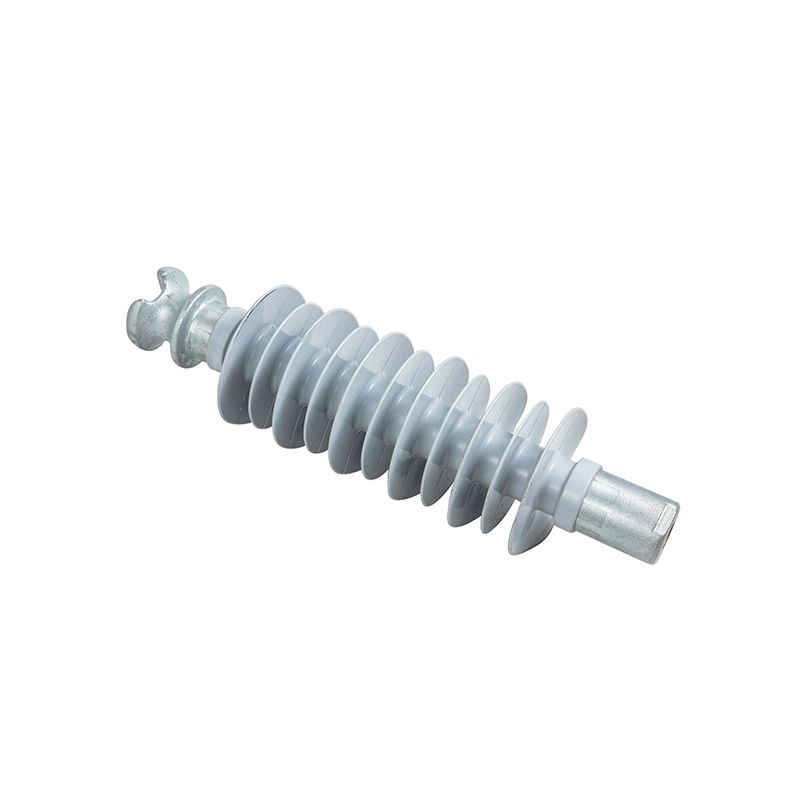
The largest single destination is inside composite insulators — pin, post, suspension and railway types. The rod carries the mechanical load, silicone rubber sheds are moulded or extruded over it, and metal end fittings are crimped or glued at each end. The class printed on the nameplate (70 kN, 100 kN, 120 kN) is really a statement about the rod, and so is the brittle-fracture rating behind it. If the assembly is new to you, our explainer on what a composite insulator is covers the three interfaces where rod, housing and fittings meet.
Outside electrical work, the same pultrusion appears in building profiles, automotive parts and environmental equipment, where dielectric requirements relax and weight, cost and corrosion resistance drive the decision. Resin choice shifts accordingly: polyester becomes acceptable, and epoxy becomes optional rather than compulsory.
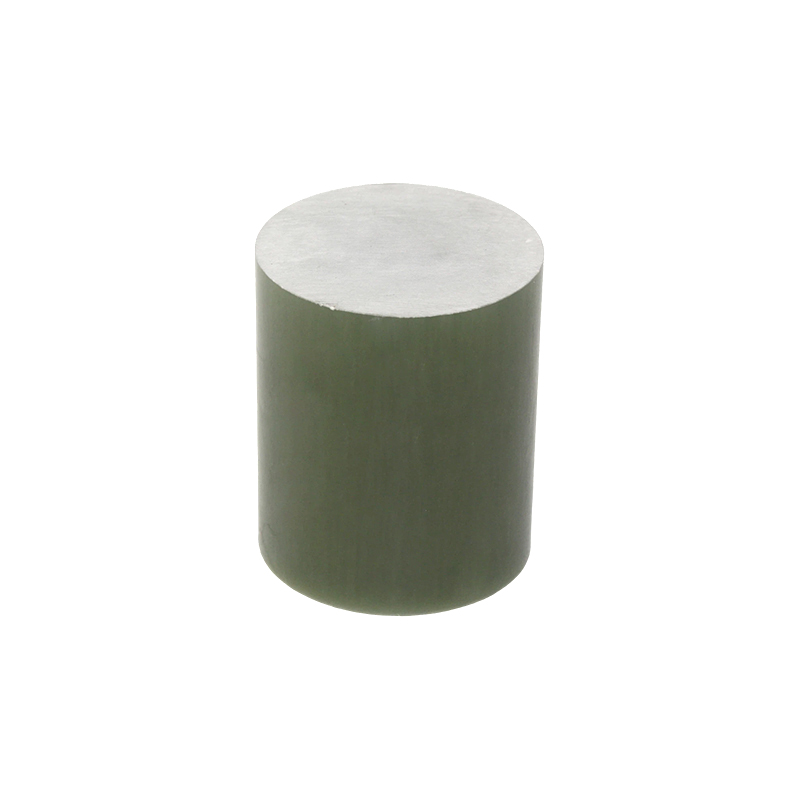 Composite Insulator Core Rod for High-Voltage Load BearingEpoxy or vinyl ester core rod for composite insulators, carrying mechanical loads in transmission and substation applications where inspection discipline matters.View Product →
The three-stage inspection model — operator self-check, cross-check between shifts, dedicated final inspection with authority to hold a lot — is the practical way to catch items one to three before shipment. We run that model inside an ISO 9001 system certified in 2004, with routine testing referenced to IEC 61109, GB/T 19519 and JB/T 8460. The same discipline applies whether the order is an epoxy core rod for a 35 kV line or general-purpose fiberglass rod for a structural job.
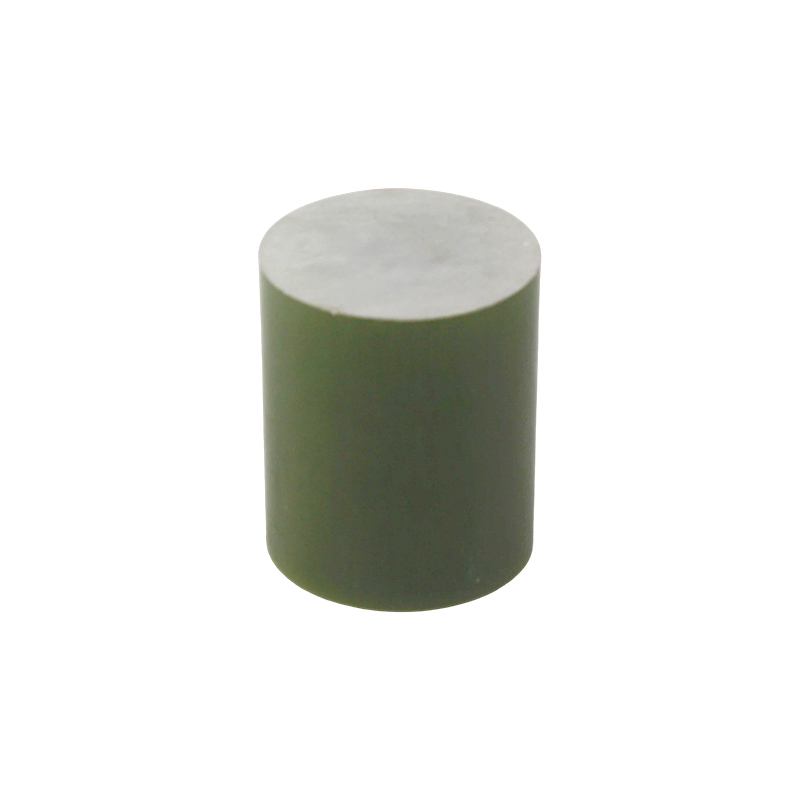 General-Purpose Fiberglass Rod and FRP Composite ProfilesGlass-reinforced polyester or epoxy rod for structural, electrical and chemical uses, distinct from application-specific epoxy core rods on purchase orders.View Product →
As a family name, yes — FRP (fibre-reinforced polymer) covers any fibre and resin combination, and glass is the usual reinforcement. On a purchase order the distinction matters: "fiberglass rod" often implies a general-purpose polyester or vinyl ester product, while FRP rod for electrical use should name epoxy and the applicable standard.
±0.1 mm is a workable default for rods that are bonded or clamped. Where the rod is crimped into a metal end fitting, ask for ±0.05 mm, and insist that the measurement is taken at both ends as well as at mid-length.
Yes, with carbide tooling, sharp feeds and dust extraction — glass dust is an irritant. Threads cut into rod are weaker than metal threads of the same size, so they are normally used for light clamping rather than primary load paths.
Density is a rough proxy: insulator-grade epoxy rod sits around 2.0–2.2 g/cm³, and a reading well below 2.0 usually points to a resin-rich, glass-poor product. It is no substitute for a burn-off test on a cut sample, but it catches obvious mismatches on arrival.
Send the diameter, length, resin type, target standard and the application — line insulator core, railway post, structural tie — and a cut sample with its test data will tell you more than a price list. Taizhou HuaDong Insulated Material Co., Ltd has been producing FRP rod, core rod and matched end fittings in Jiangsu since 1994, and supplies customers across the Americas, Europe, Africa and Asia. Diameter, resin and test scope can be matched to your drawing before the first production batch is scheduled.
Contact Us

jszn@vip.163.com
jsthim@188.com

0086 523-88026699
0086 523-88665172



Quick Links
Product Categories
Message Us Now !