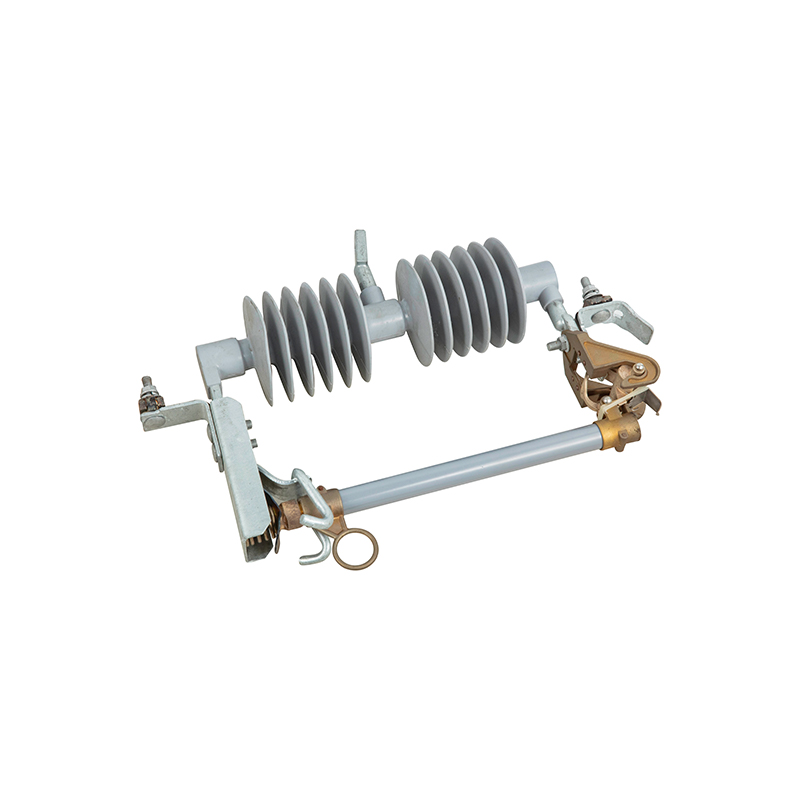
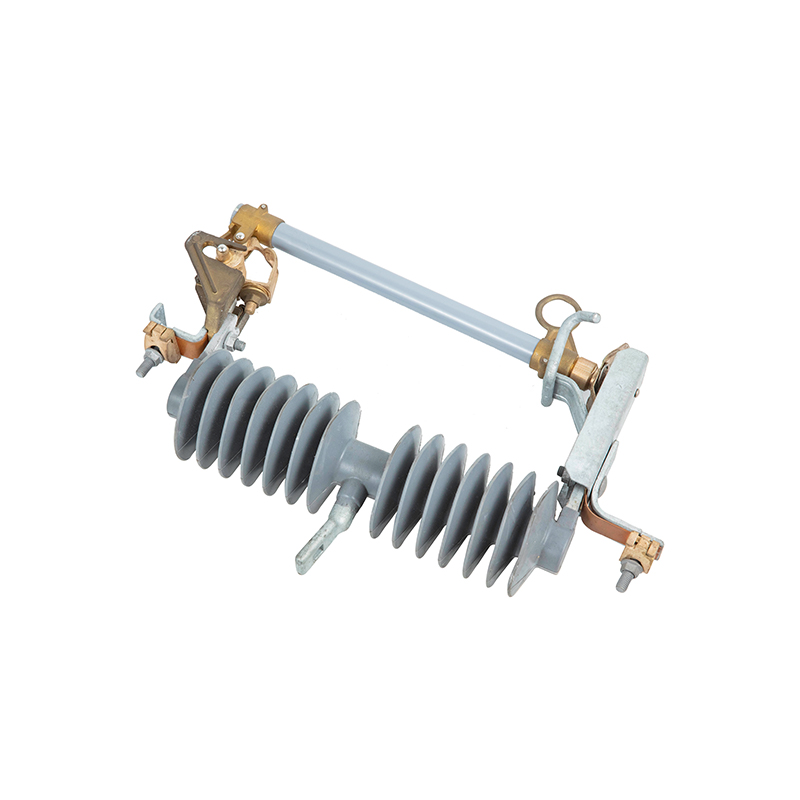
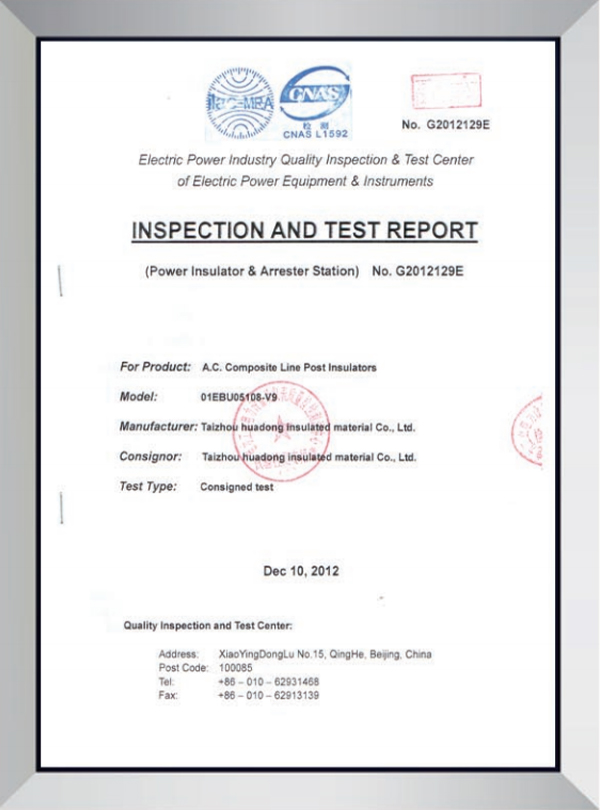
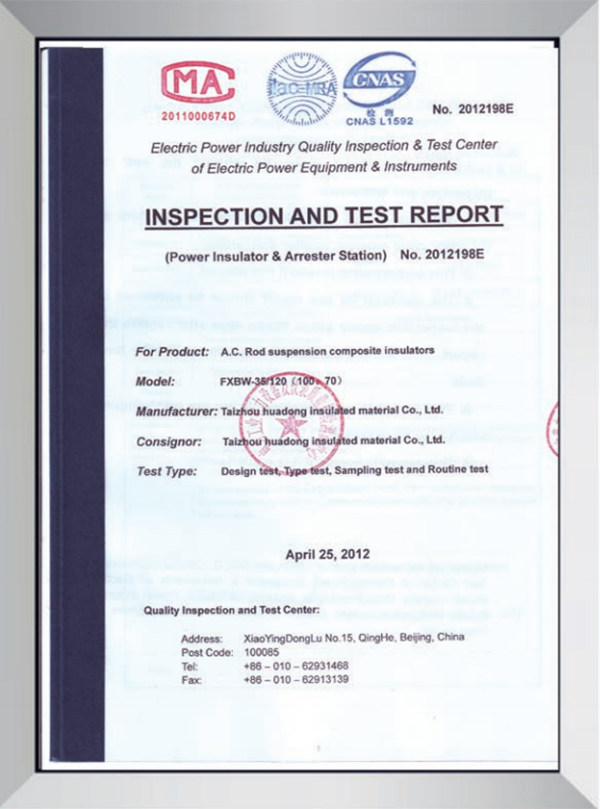
A cutout fuse is a simple, reliable, and cost effective overcurrent protection device used throughout medium and high voltage power systems, and it remains the standard way to add a fusible, visually verifiable disconnect point to an overhead line. When an overload or short circuit pushes current past the rated capacity of the internal fuse link, the link melts and interrupts the circuit automatically, protecting the equipment and the line behind it. Buyers researching cut out fuse types, an electric cut out fuse for a distribution project, or a cut out fuse price for a bulk order will find that Taizhou HuaDong Insulated Material Co., Ltd. supplies this device as part of its wider insulation and fitting product range, built on the same fiberglass and fitting production the company already runs for composite insulators.
How a Cutout Fuse Works
The operating principle rests on the thermal effect of electric current, and it plays out in four stages on the line.
01
Normal Load
Current passes through the fusible element, which stays conductive and lets the circuit run as normal.
02
Fault Current
An overload or short circuit pushes current sharply above the rated capacity of the fuse link.
03
Element Melts
Internal heating brings the element to its melting point and it rapidly severs the circuit path.
04
Dropout Indication
The fuse tube drops open under gravity or internal pressure change, giving a clear visible fault signal.
Main Components of an Electric Cut Out Fuse
Four parts make up the assembly that Taizhou HuaDong Insulated Material Co., Ltd. builds into every cutout fuse it produces, and each one carries a distinct job.
1
Fusible Element (Fuse Tube)
The core component, housing a metal fuse link typically made of silver, copper, or alloy material, inside a tube casing usually built from epoxy resin or ceramic.
2
Insulator
A skirted, umbrella shaped structure that provides electrical insulation and mechanical support, typically made of ceramic or a composite material such as silicone rubber.
3
Base and Operating Mechanism
Metal brackets, contacts, springs, and linkages that carry out the automatic dropout action once the fuse has blown.
4
Connection Terminals
Bolt type or crimp type terminals for connecting high voltage conductors, with some variants adding a protective metal sheath.
Since Taizhou HuaDong Insulated Material Co., Ltd. already manufactures silicone rubber insulator sheds and crimped metal fittings for its composite insulator line, the same core rod, shed, and fitting know-how carries directly into the insulator and terminal sections of its cutout fuse.
Physical Characteristics
Top / Ends
Metal connection fittings sit at both ends of the unit, which mounts in a horizontal configuration.
Center
A skirted insulator forms the central section, giving both structural support and electrical insulation.
Fuse Tube
Positioned centrally inside the insulator, cylindrical in shape and typically gray in color.
Below the Tube
A metal linkage or spring mechanism enables the dropout fuse cutout action once the tube has blown.
Left / Right
Metal brackets at each end secure the assembly to a utility pole or cross arm.
24KV Cutout Fuse and 35KV Cutout Fuse
Taizhou HuaDong Insulated Material Co., Ltd. lists two cut out fuse types on its current product range, split by voltage class.
24 KV
24KV Cutout Fuse
Built on the same fuse tube, skirted insulator, and dropout mechanism structure described above, sized for the 24 kV voltage class.
35 KV
35KV Cutout Fuse
Uses the same four-part construction, scaled for the 35 kV voltage class.
Because a cut out fuse price is normally quoted against a specific voltage rating, fuse tube material, and order quantity, buyers working with Taizhou HuaDong Insulated Material Co., Ltd. typically confirm the voltage class first, then request a quotation for the matching unit.
Where Cutout Fuses Are Applied
The application scope for this device sits in medium to high voltage distribution networks, and the equipment protected follows a consistent pattern across projects that Taizhou HuaDong Insulated Material Co., Ltd. has supplied into.
10 kV Systems 24 kV Systems 35 kV Systems Distribution Transformers Power Cables Capacitor Banks Outdoor Overhead Lines
Why the Dropout Function Matters
A blown cutout fuse drops the fuse tube into a clearly visible open position, driven by gravity or an internal pressure change. This visible fault indication is especially useful in outdoor, externally mounted installations, since it lets maintenance personnel identify the faulted phase or section from the ground without additional testing equipment. It is one of the reasons the drop-out fuse remains the prevalent choice on outdoor overhead line networks, and it is a feature that Taizhou HuaDong Insulated Material Co., Ltd. builds into both the 24 kV and 35 kV units it manufactures.
What voltage ratings does a cutout fuse come in
Common voltage ratings include 10 kV, 24 kV, and 35 kV, with 24 kV and 35 kV units offered as standard product lines.
How does a dropout fuse show that it has blown
Once the fuse link melts, the fuse tube automatically drops under gravity or an internal pressure change into a clearly visible open position, making the fault easy to locate.
What are the main parts of a cutout fuse
A cutout fuse is built from a fusible element or fuse tube, a skirted insulator, a base and operating mechanism, and connection terminals.
What equipment does a cutout fuse protect
It primarily protects distribution transformers, power cables, and capacitor banks within medium to high voltage distribution systems.
What is the difference between a 24kV and a 35kV cutout fuse
Both use the same fuse tube, skirted insulator, and dropout mechanism design, sized and rated to match their respective voltage class.
What affects the cut out fuse price on a quotation
A quotation is generally based on the voltage rating, the fuse tube material, and the order quantity, so confirming these details first speeds up getting an accurate price.