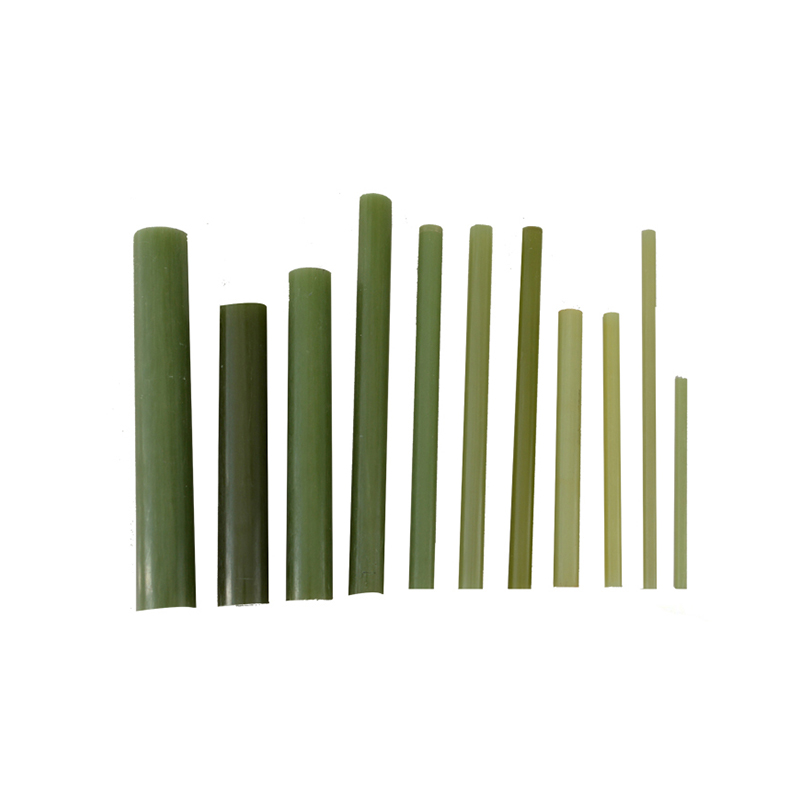
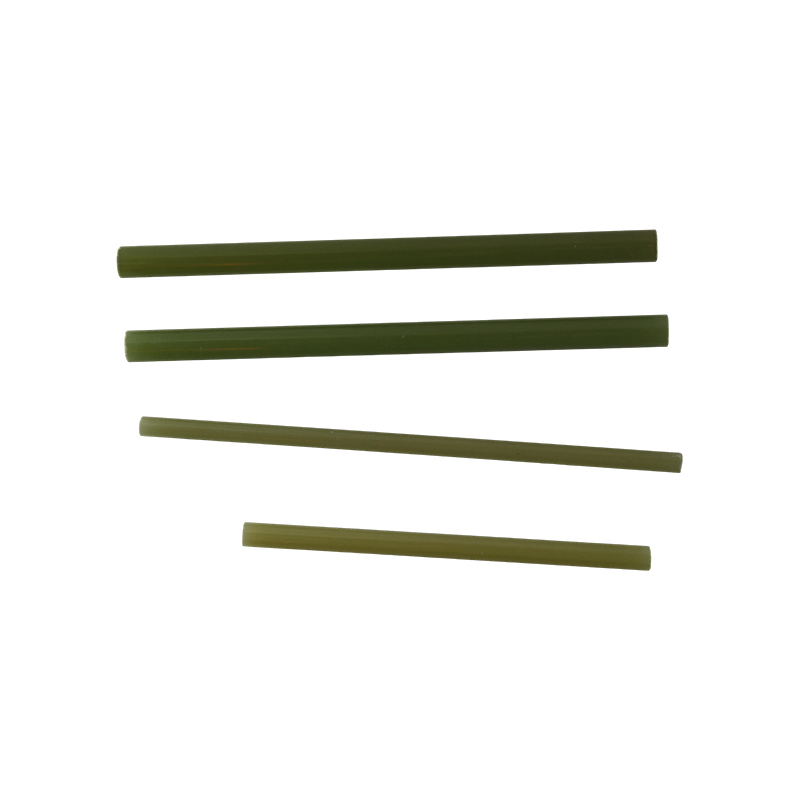
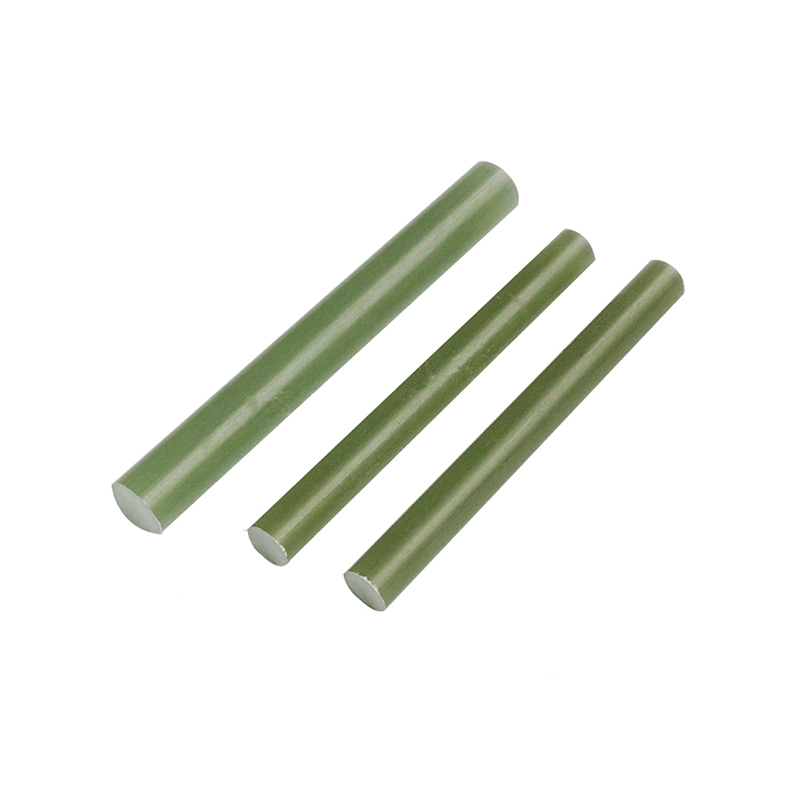
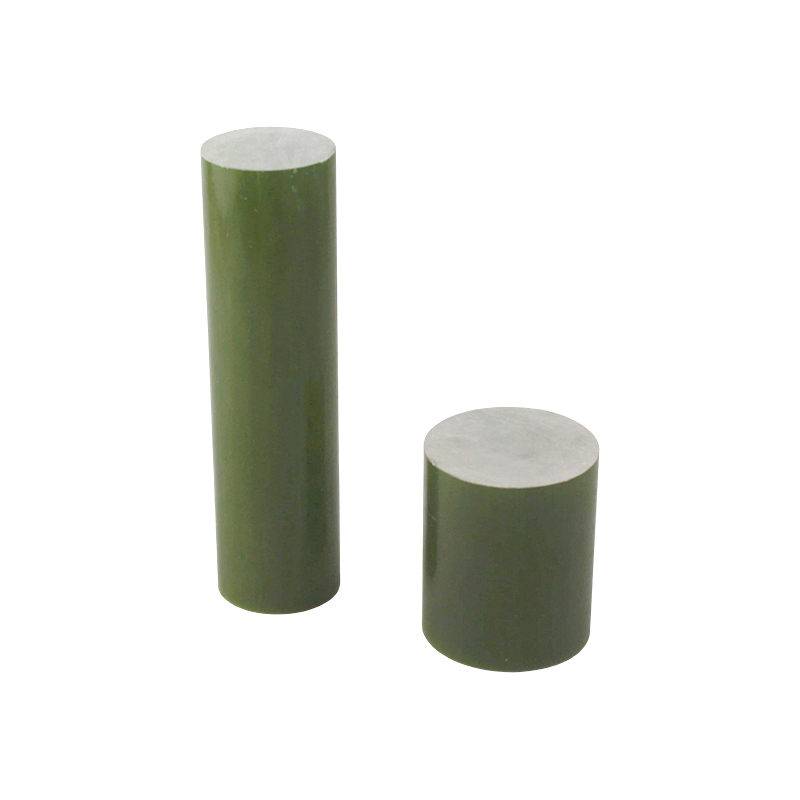
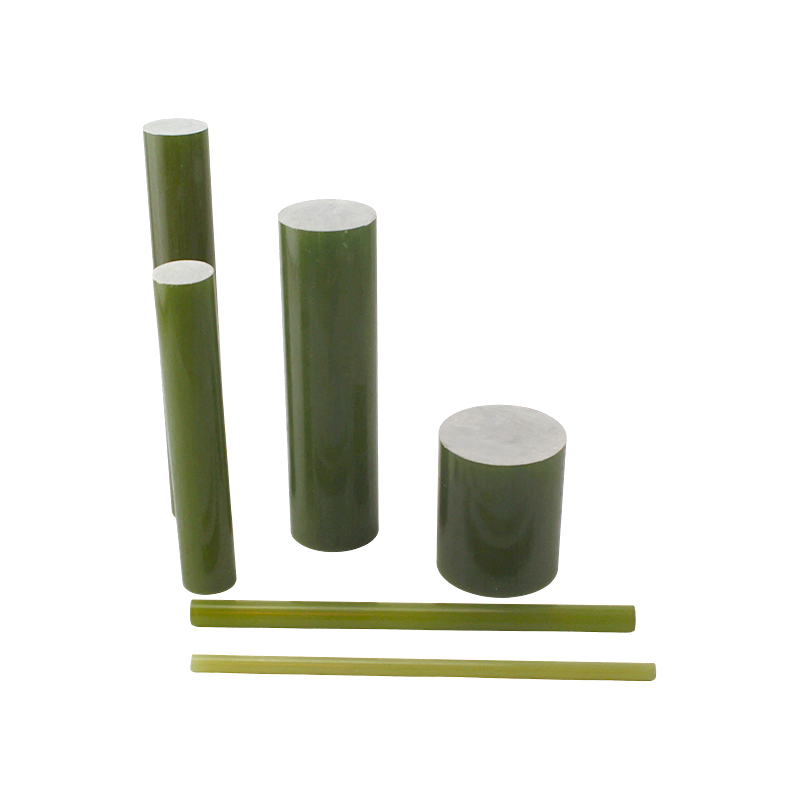
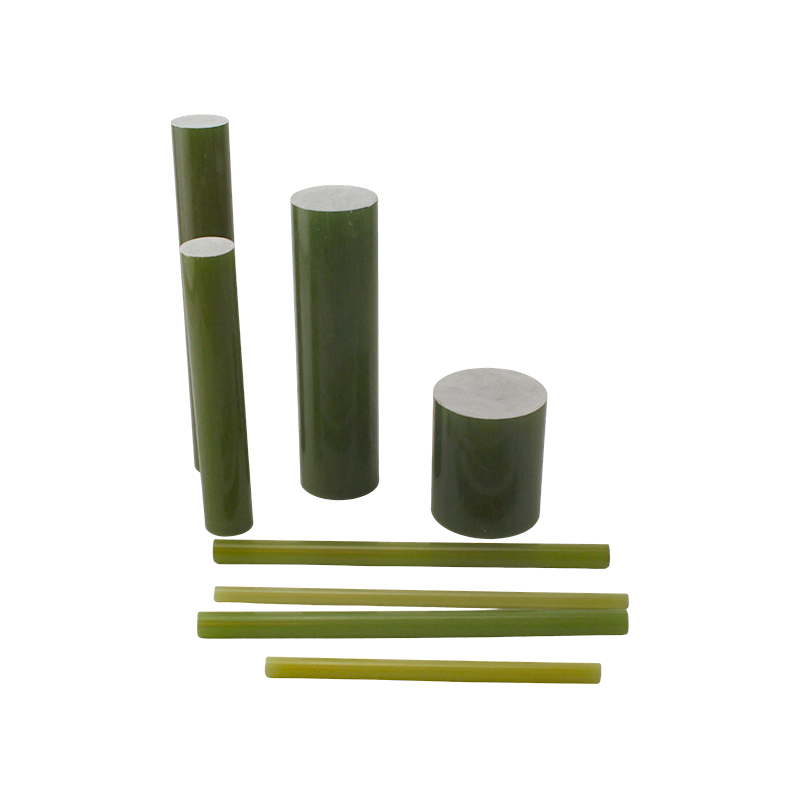
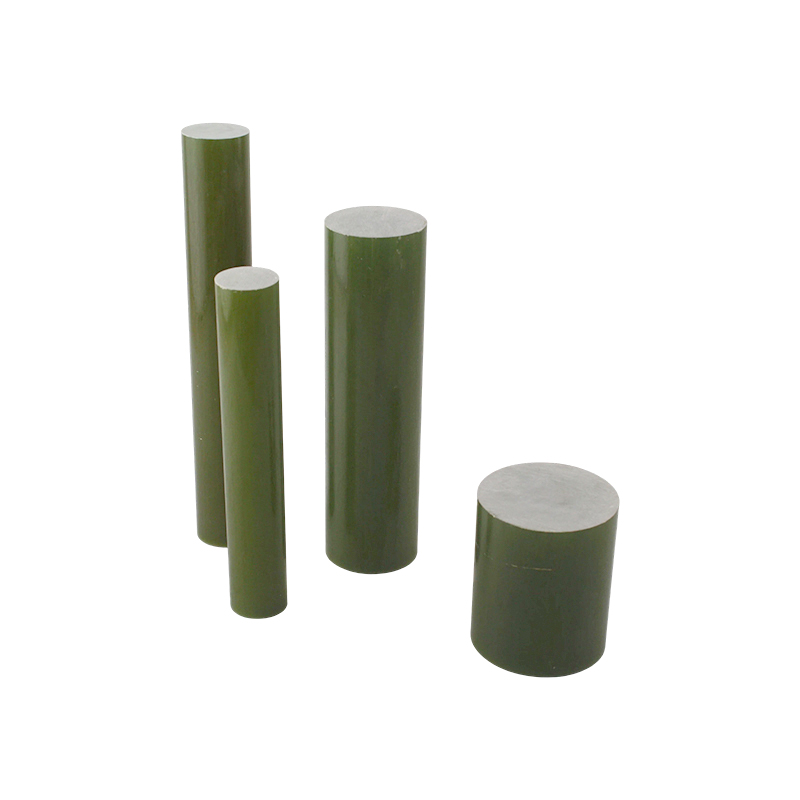
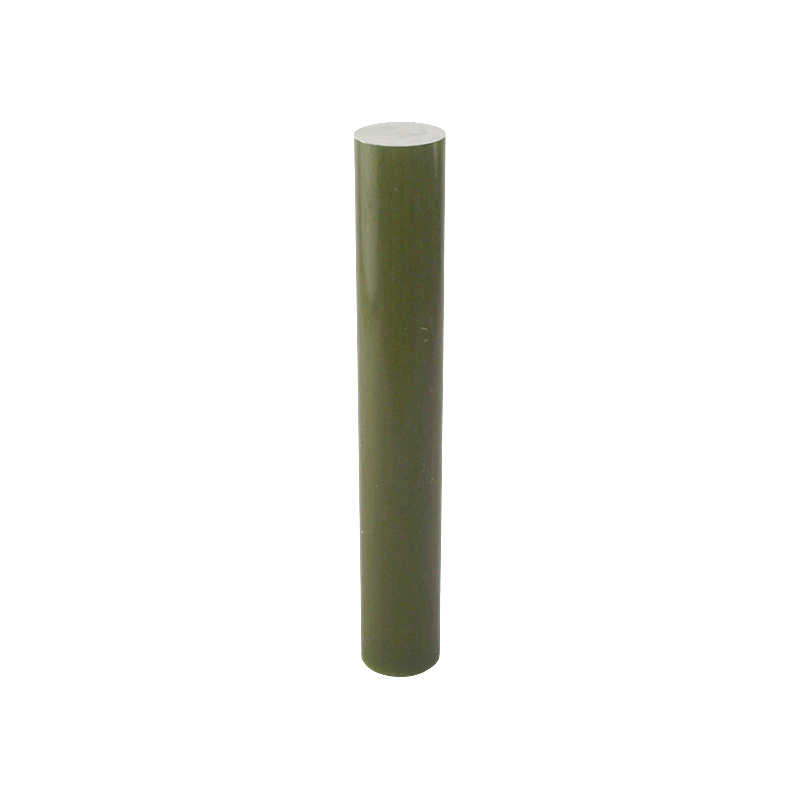
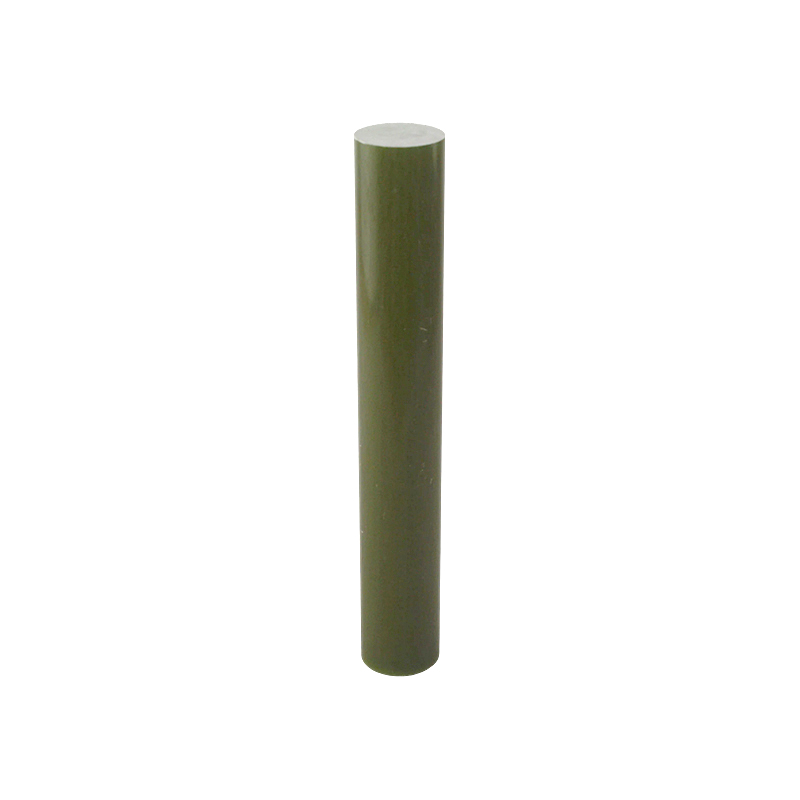
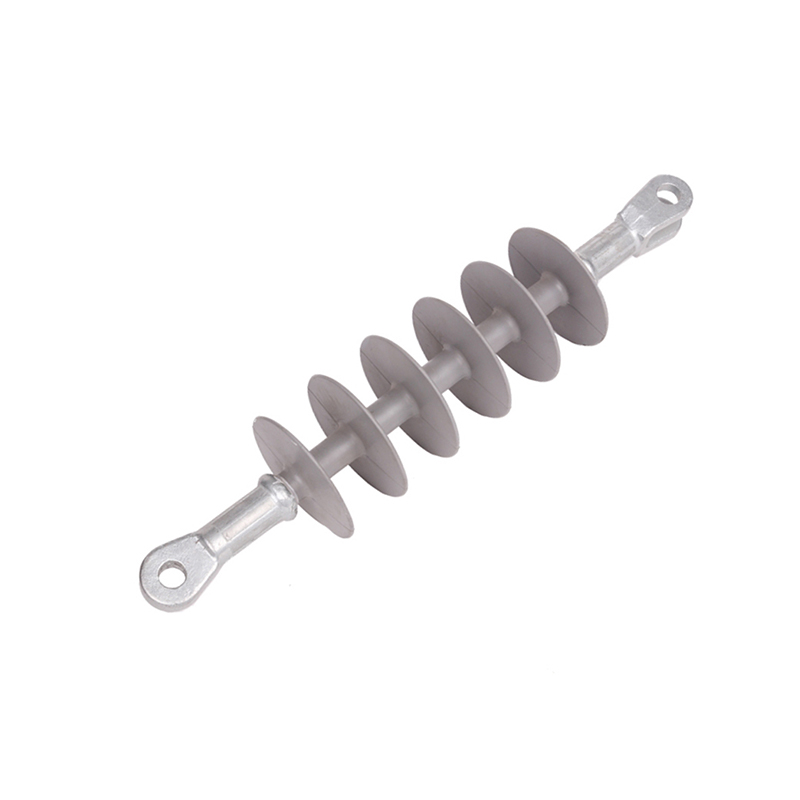
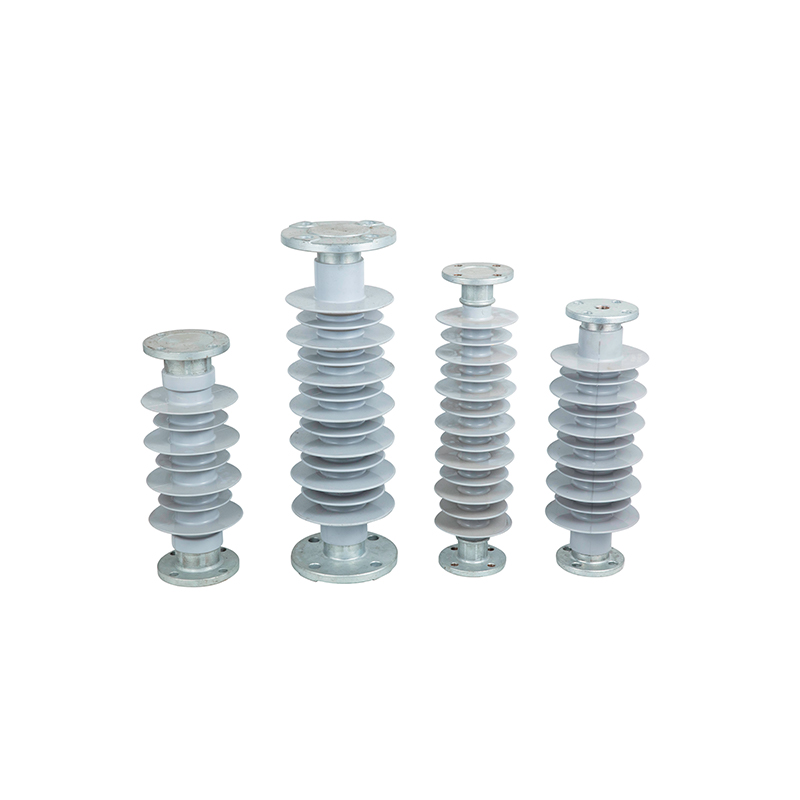
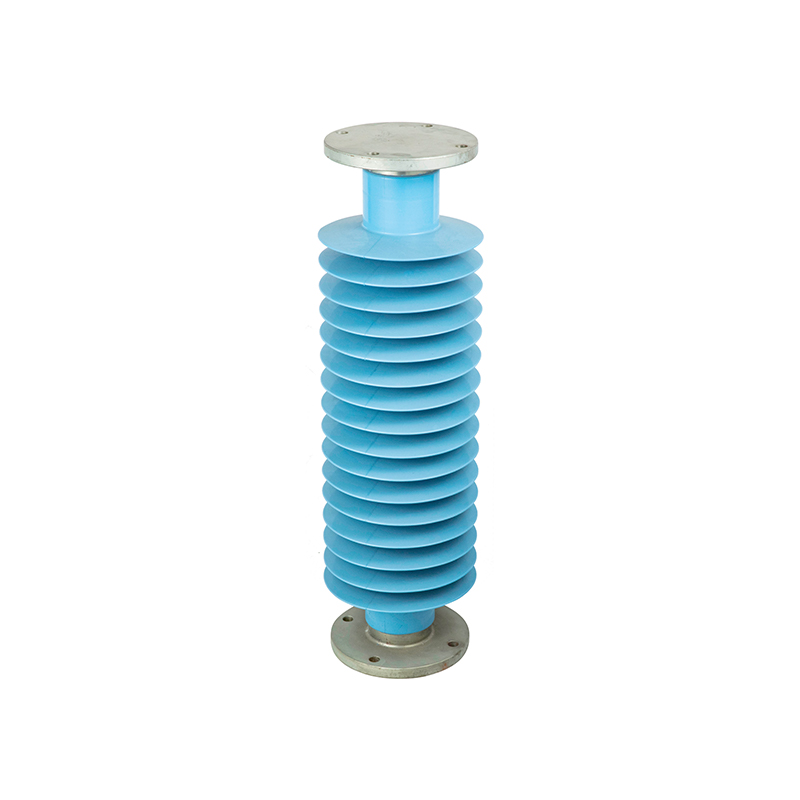
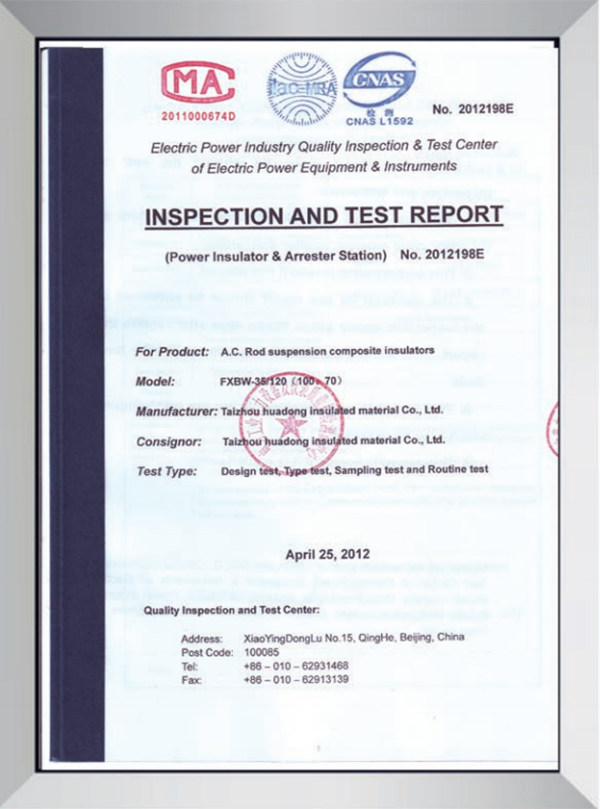
The insulator core rod is the core component of the composite insulator. It is located at the center of the insulator and is the main mechanical load-bearing component of the entire insulator. It is usually combined with the outer silicone rubber sheath (and metal accessories at both ends, such as steel caps and flanges) to form a complete composite insulator, which is widely used in power systems.
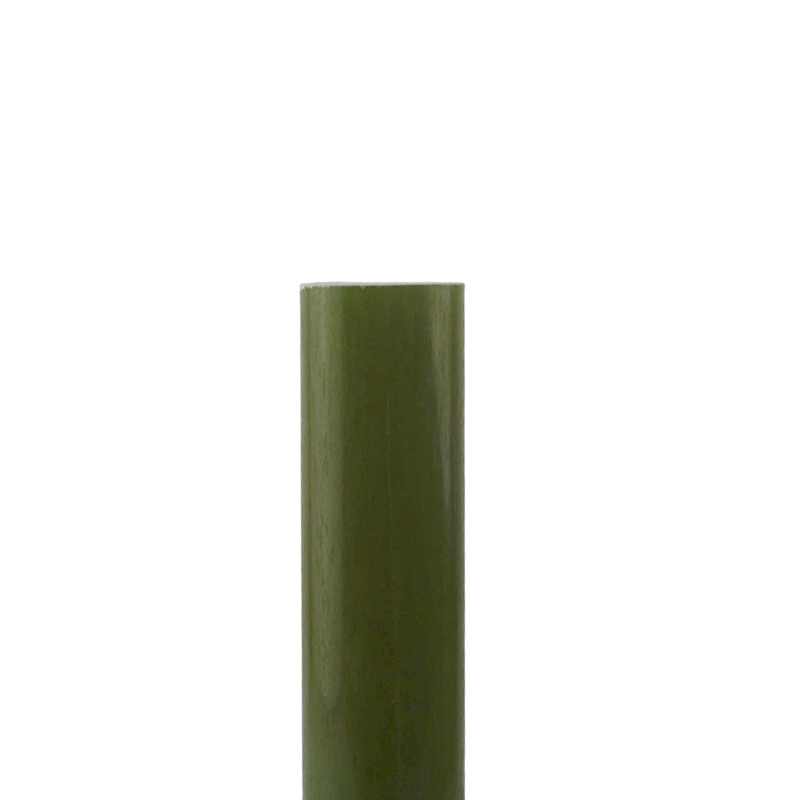
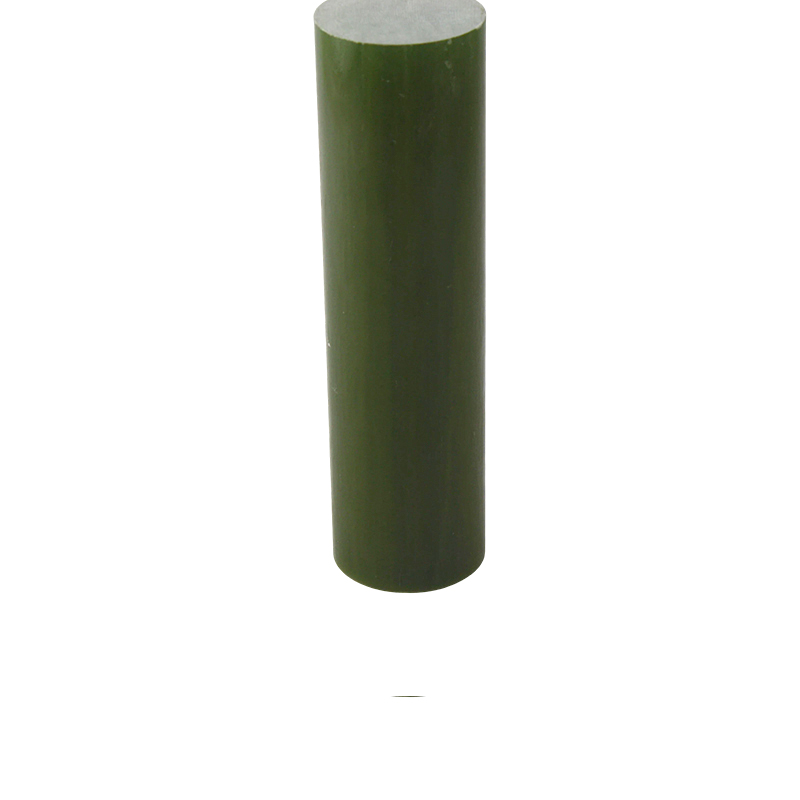
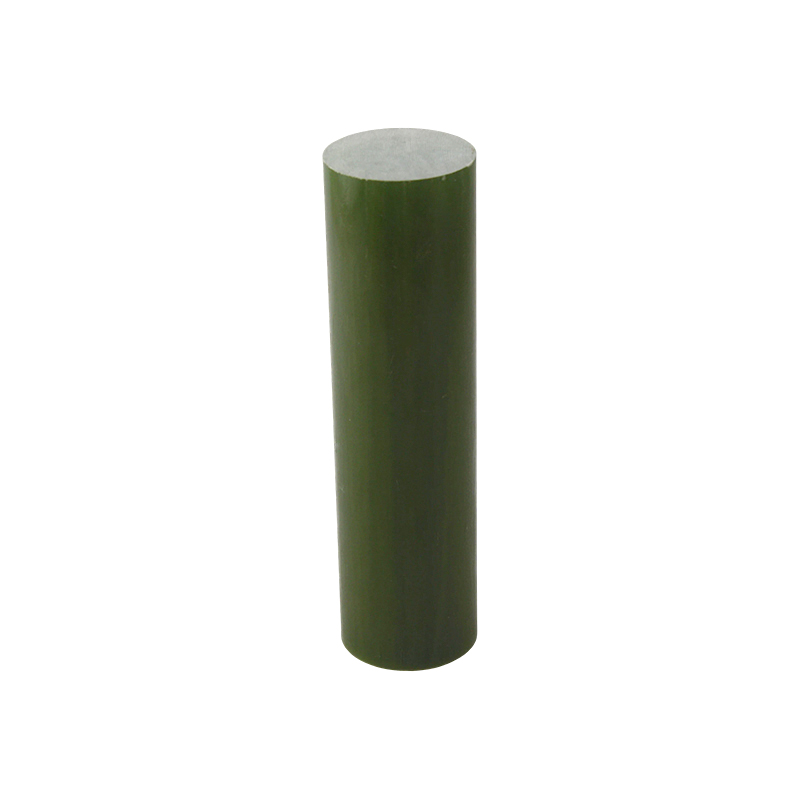
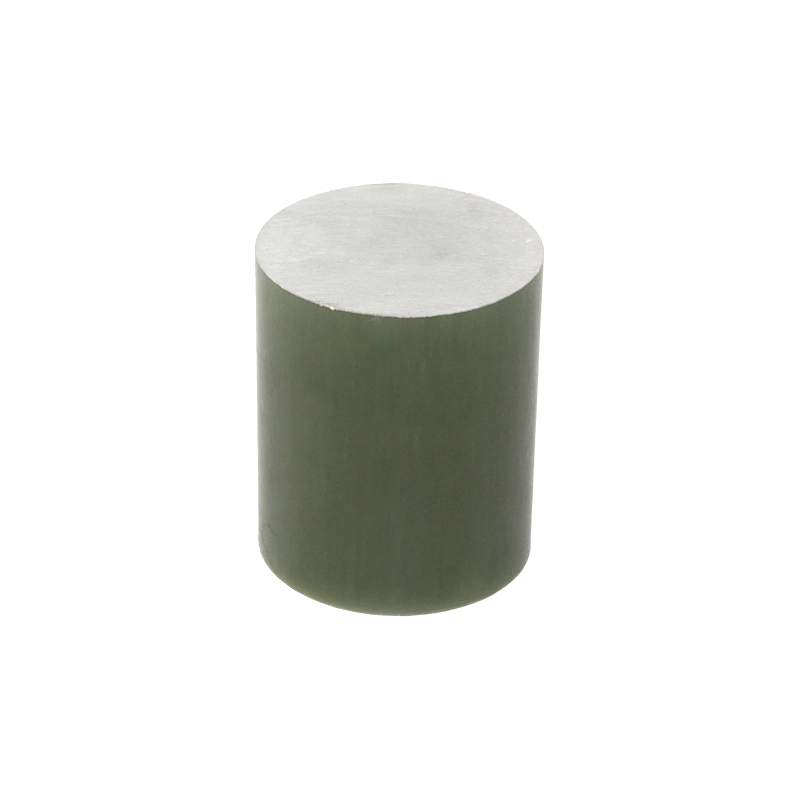
1. Appearance characteristics The mandrel is a cylindrical or slightly tapered rod-like structure with a smooth surface and green or olive green color. The length and diameter of the core rod vary according to the voltage level of the insulator and the environment in which it is used (such as transmission lines, substations). Some mandrels have metal connectors or reserved holes at both ends for connection with metal accessories. Core rods of different sizes and specifications have different modular and standardized designs and can be adapted to different voltage levels.
2. Main materials The main material of the insulator core rod is glass fiber reinforced resin. Specifically, alkali-free glass fiber is used as the reinforcing material, which provides high strength, high modulus, corrosion resistance, and fatigue resistance. The matrix resin uses epoxy resin or vinyl ester resin to provide adhesion, weather resistance, and electrical insulation. The core rod has the advantages of high mechanical strength, excellent fatigue resistance, corrosion resistance, UV resistance, moisture and heat resistance, light weight, good electrical insulation properties, and non-magnetic and no eddy current loss.
3. Core role Insulator core rods perform multiple functions in power systems. The first is the mechanical support function, which bears the mechanical load that the insulator undergoes during operation, including wire tension, wind load, ice load, self-weight, etc. Suspension insulators mainly bear tensile force, while pillar insulators may bear pressure or bending force. The second is electrical insulation. Although the main insulation is provided by the external silicone rubber shield, the core rod itself also has good insulation properties to prevent internal conduction. It also forms a whole together with the external sheath and metal accessories to ensure the long-term stable operation of the insulator in harsh environments. The core rod also has excellent weather resistance and anti-aging properties, and its service life can be as long as 30 years, far exceeding traditional porcelain or glass insulators.
4. Application fields Insulator core rods are widely used in high-voltage and ultra-high voltage transmission lines, including voltage levels of 110kV, 220kV, 500kV and 1000kV ultra-high voltage. It is also widely used in substation equipment, such as pillar insulators, bushings, isolation switch insulators, etc. Insulator core rods also play an important role in wind power generation, rail transit, rail transit traction power supply systems, and in harsh environmental areas such as coastal areas, high pollution, high humidity, and high altitude.
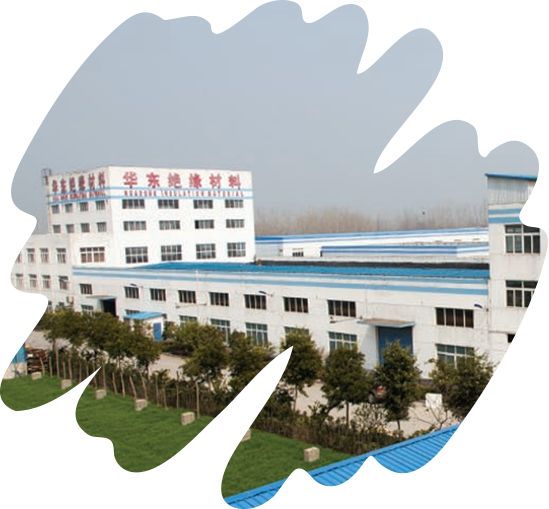
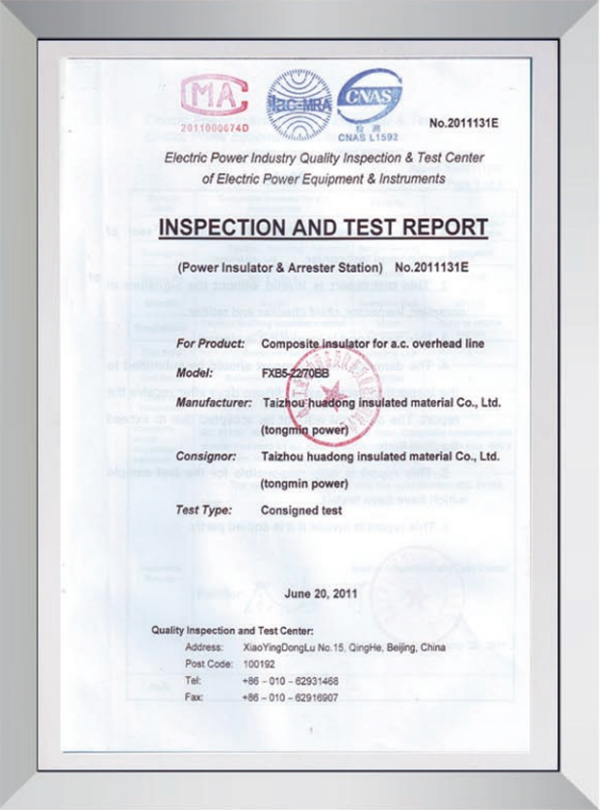
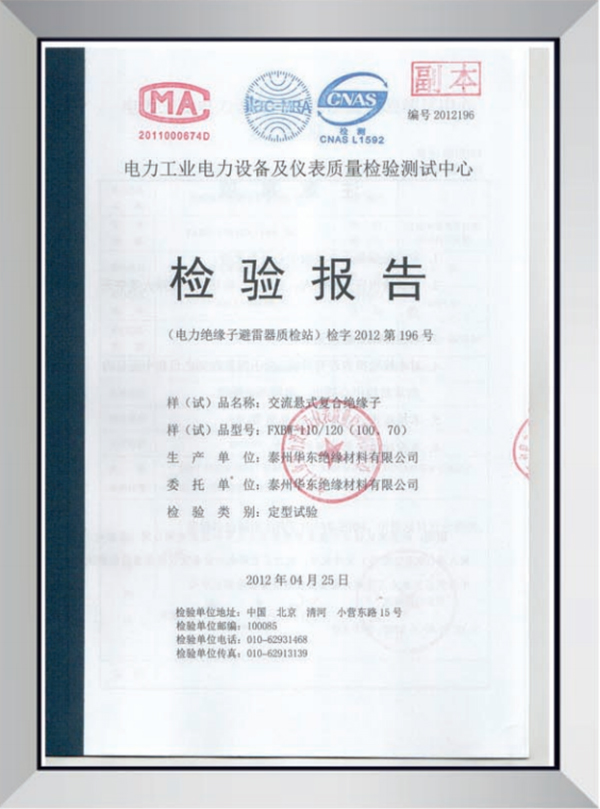
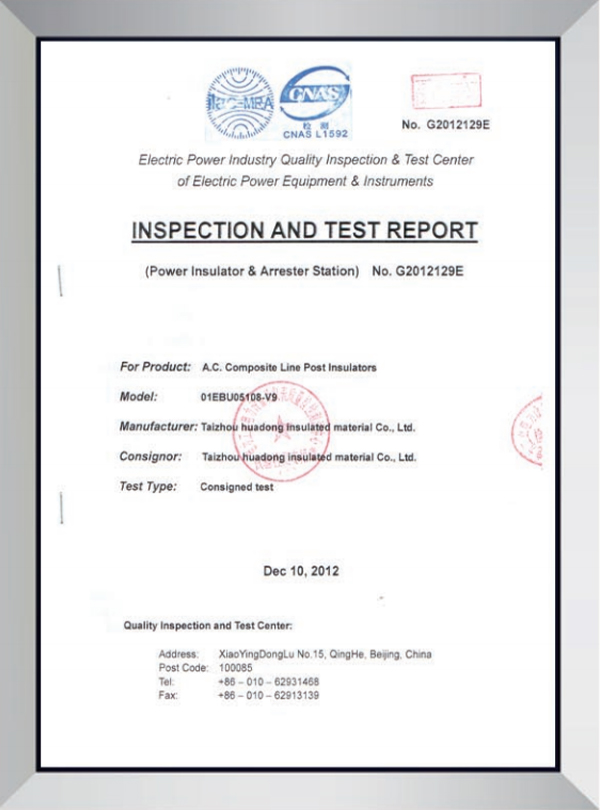
As China Insulator core rod Manufacturers and Insulator core rod Company, Taizhou HuaDong Insulated Material Co., Ltd (FORMER Yangzhou Dajieshi FRP products Co., Ltd), which was founded in October in 1994.
Our company is mainly engaged in the production of FRP ROD profiles, related terminal parts and accessory products. The terminal and accessories products such as various types of composite insulators, silicone rubber insulator fittings, line fittings and so on.The epoxy fiberglass core we produce as an intermediate connector and insulating parts is widely used in all fields and many kinds of composite insulator production. The profiles and composite insulators are widely used in electric power electronics and electrical railways. In the construction, automotive and environmental protection field IHIM products arewidely sales in North and South America.Africa.Asia. Europe ete such as USA.Kenya. Korea.India, Vietnam, Iran, Russia, Germany.Romania and other countries and vast areas in our country. THIIM is becoming a well-known supplier for insulation products field globally.
A composite insulator that fails in service rarely fails because the silicone housing was the wrong color. It fails because the fiberglass core inside it was selected, manufactured, or handled without enough attention to the details that actually control mechanical strength and ...
An overhead railway line is only as reliable as its least visible component. The railway insulator, often taken for granted, is the hard-working barrier that keeps high-voltage current in the catenary wire and away from masts, bridges and maintenance crews. Choosing the wrong in...
At 6:40 on a weekday morning, the 27.5 kV feeder inside a busy urban tunnel loses insulation. The pantograph drops, the train glides to a halt, and every service behind it stacks up. In most cases the failed component is not the feeder cable or the circuit breaker, but the railw...
An insulator core rodis the central mechanical load bearing component of a composite insulator, sitting at the middle of the unit and carrying the tension, wind, and ice loads that the insulator experiences in service. It is normally paired with an outer silicone rubber sheath and metal accessories such as steel caps and flanges at both ends to form the complete composite insulator used across power systems. Taizhou HuaDong Insulated Material Co., Ltd. manufactures this core rod as part of its FRP rod product line, which is also the same fiberglass core used across the composite insulators the company builds around it.
Appearance and Sizing
The core rod itself is a cylindrical or slightly tapered mandrel with a smooth surface, and its dimensions are matched to the job it needs to do.
ShapeCylindrical or slightly tapered rod
ColorGreen or olive green
SizingLength and diameter vary by voltage level and environment
End ConnectionsSome mandrels include metal connectors or reserved holes for metal accessories
Core rods of different sizes and specifications follow modular, standardized designs so the same product family can be adapted to different voltage levels, which is how Taizhou HuaDong Insulated Material Co., Ltd. keeps its FRP rod range consistent across projects.
What the Core Rod Is Made Of
Reinforcement
Alkali-free glass fiber is used as the reinforcing material, giving the rod high strength, high modulus, corrosion resistance, and fatigue resistance.
Matrix Resin
Epoxy resin or vinyl ester resin is used as the matrix, providing adhesion, weather resistance, and electrical insulation.
Combined, glass fiber reinforced resin gives the finished core rod a set of properties that Taizhou HuaDong Insulated Material Co., Ltd. relies on across its FRP rod and composite insulator lines alike:
High mechanical strengthExcellent fatigue resistanceCorrosion resistanceUV resistanceMoisture and heat resistanceLight weightGood electrical insulationNon-magnetic, no eddy current loss
Core Functions in a Power System
Mechanical Support
Carries the mechanical load the insulator experiences in operation, including wire tension, wind load, ice load, and self weight. Suspension insulators mainly bear tensile force, while pillar insulators may bear pressure or bending force.
Electrical Insulation
While the main insulation comes from the external silicone rubber shield, the core rod itself also carries good insulation properties to prevent internal conduction, forming one integrated unit with the sheath and metal accessories.
Weather Resistance
Excellent weather resistance and anti-aging properties give the core rod a long working life in harsh environments.
30 Years
Service life of an insulator core rod, exceeding traditional porcelain or glass insulators.
Where Insulator Core Rods Are Used
Voltage class is the first thing that determines which core rod fits a project, and the range Taizhou HuaDong Insulated Material Co., Ltd. supplies covers the following levels.
110 kV
220 kV
500 kV
1000 kV UHV
Beyond transmission line voltage class, the same core rod construction supports several other equipment types and environments.
Pillar InsulatorsBushingsIsolation Switch InsulatorsWind Power GenerationRail TransitRail Transit Traction Power SupplyCoastal AreasHigh Pollution AreasHigh Humidity AreasHigh Altitude Areas
Frequently Asked Questions
What voltage levels can an insulator core rod be used for
Insulator core rods are used across 110 kV, 220 kV, and 500 kV transmission lines, as well as 1000 kV ultra high voltage lines.
How long does an insulator core rod last in service
The service life of an insulator core rod can reach as long as 30 years, exceeding traditional porcelain or glass insulators.
What materials make up an insulator core rod
The core rod is made of glass fiber reinforced resin, using alkali-free glass fiber as the reinforcing material and epoxy resin or vinyl ester resin as the matrix.
Why are insulator core rods green or olive green in color
The core rod is a cylindrical or slightly tapered mandrel with a smooth surface that is typically green or olive green, reflecting the glass fiber reinforced resin material it is made from.
Can insulator core rod sizing be adapted to different projects
Yes, the length and diameter vary according to the voltage level and the environment, such as transmission lines or substations, and core rods follow modular, standardized designs so the same family can be adapted to different voltage levels.
Does the core rod provide electrical insulation or only mechanical support
It does both. The core rod carries the mechanical load of the insulator, and while the main insulation comes from the outer silicone rubber shield, the core rod itself also has good insulation properties that help prevent internal conduction.