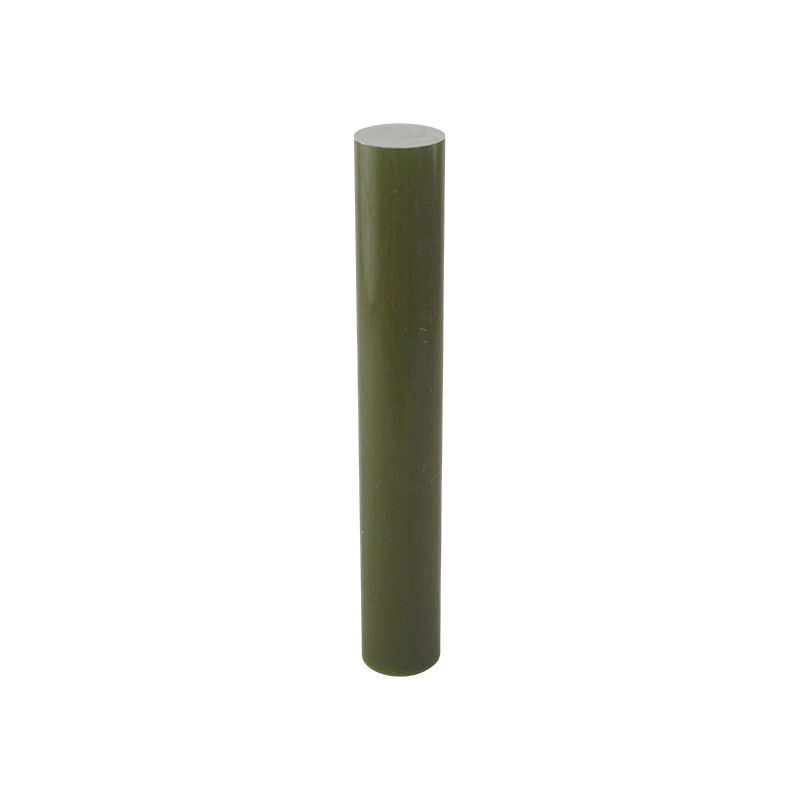
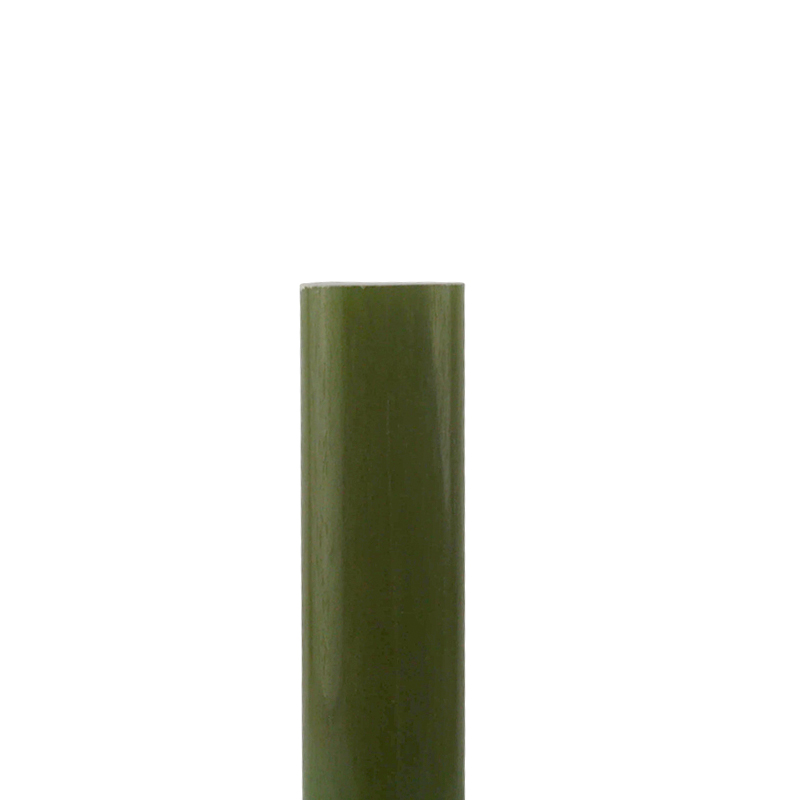
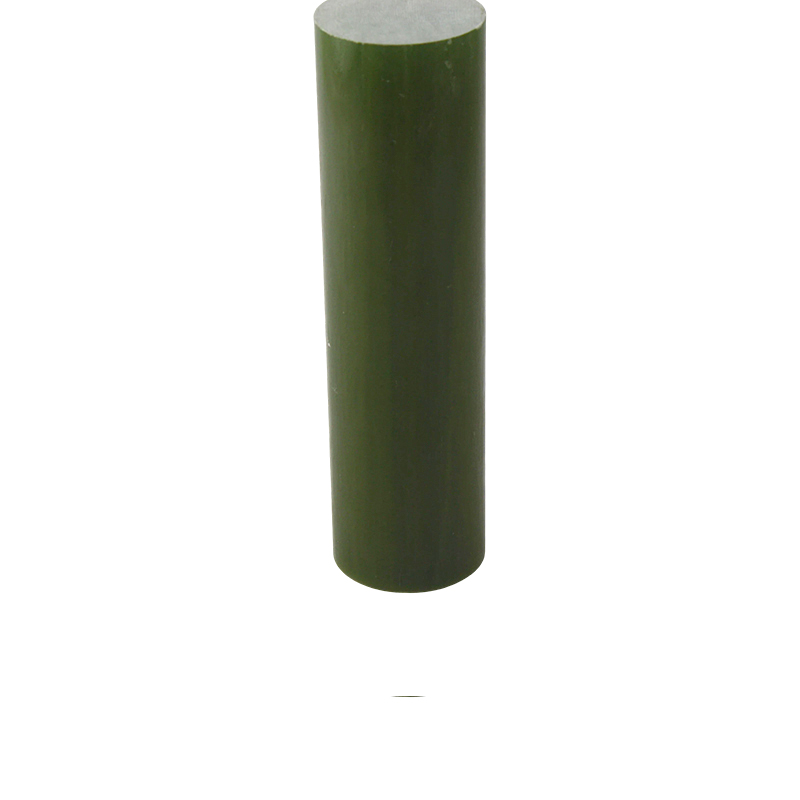
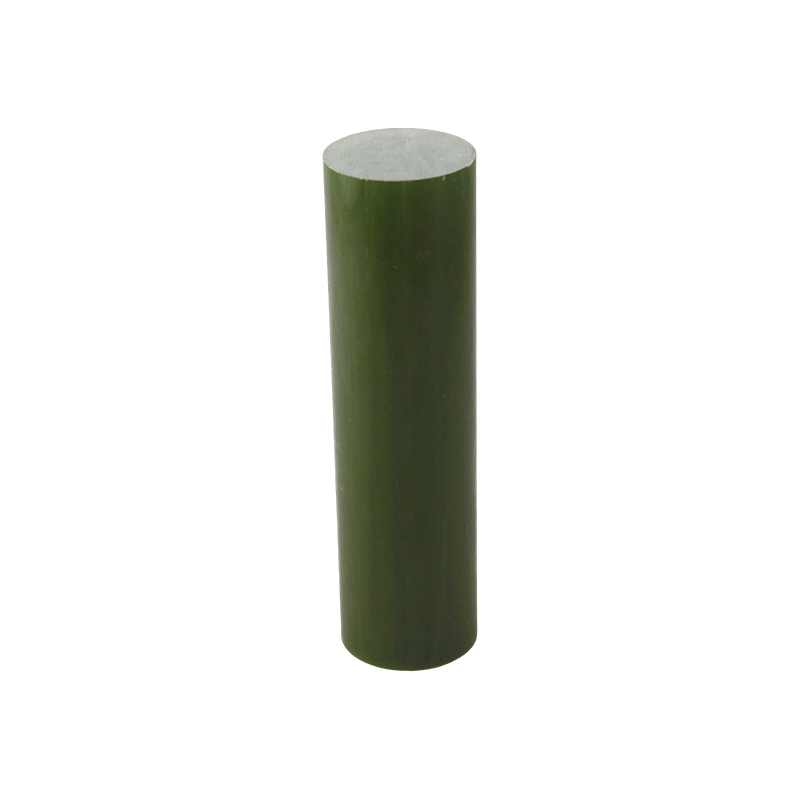
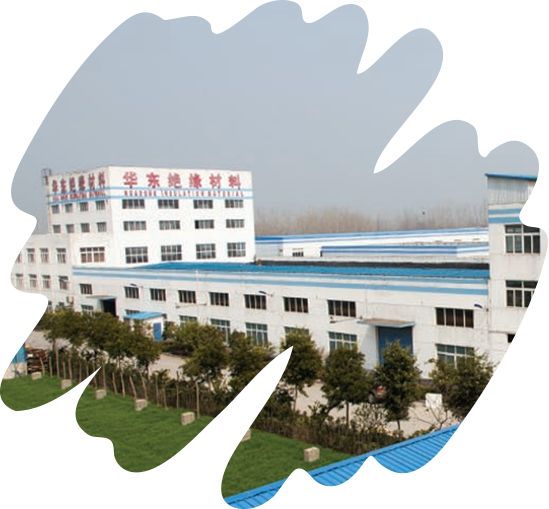
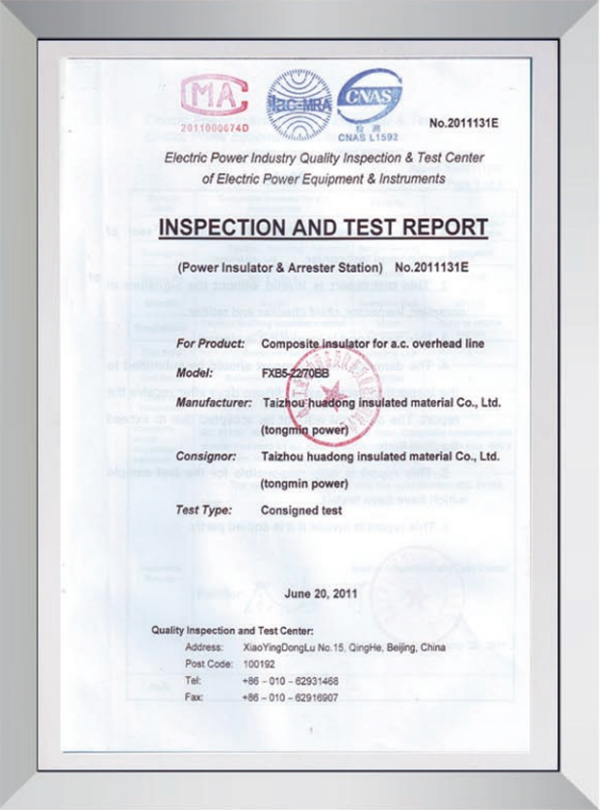
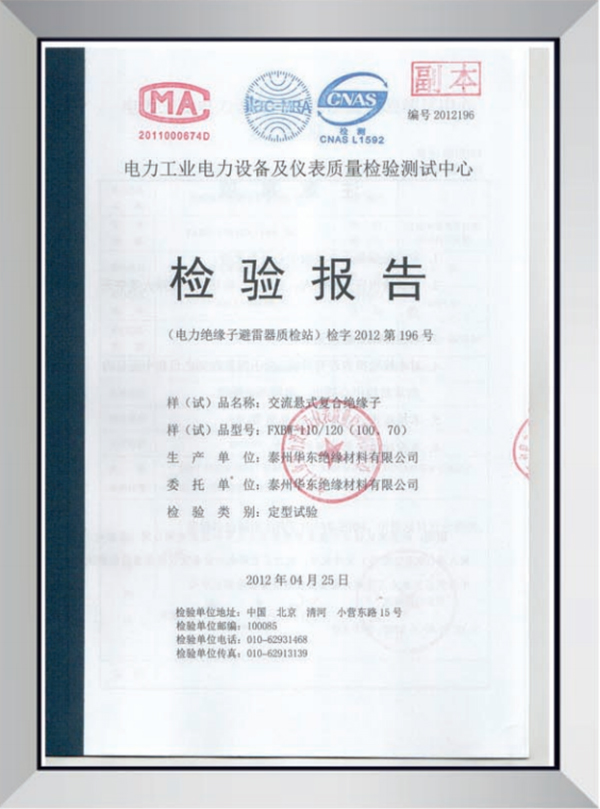
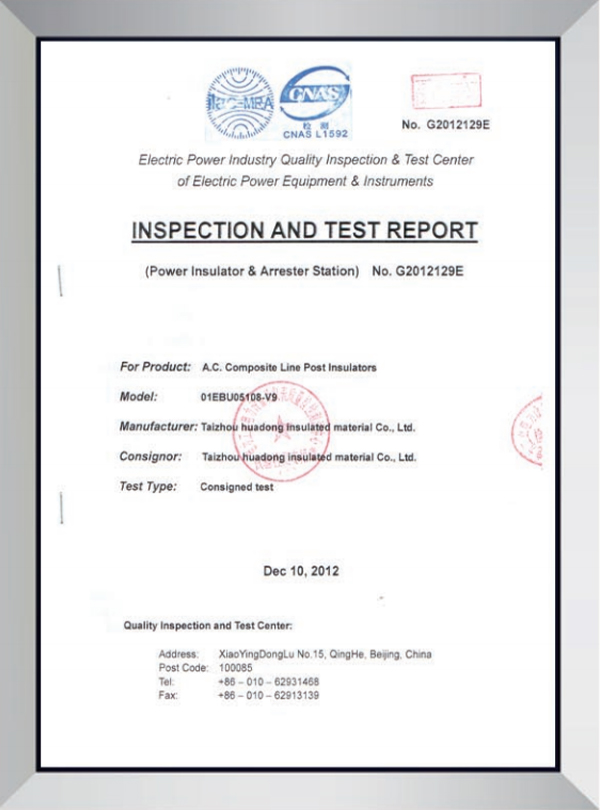
An epoxy rod, whose full name is epoxy fiberglass rod and which is also referred to as an insulator core rod, is a high performance composite rod built from glass fiber as the reinforcing material and epoxy resin as the matrix. Manufactured through a pultrusion process, it functions as an important structural material across the power industry and a number of other industrial fields. Taizhou HuaDong Insulated Material Co., Ltd. produces this rod as part of its FRP rod line, using it as the same fiberglass core that also runs through the composite insulators the company manufactures.
Appearance and Size Options
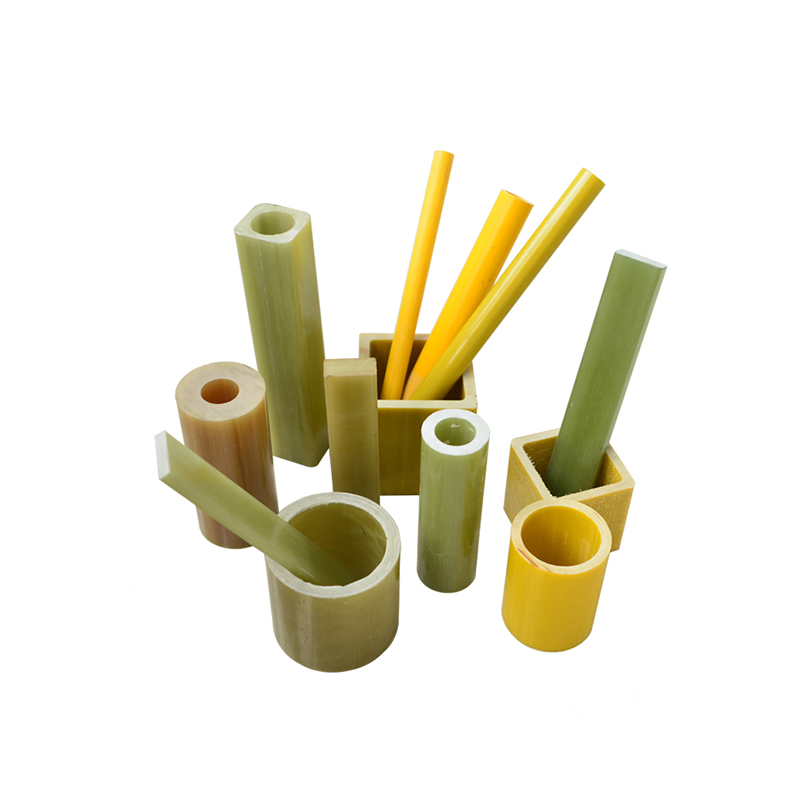
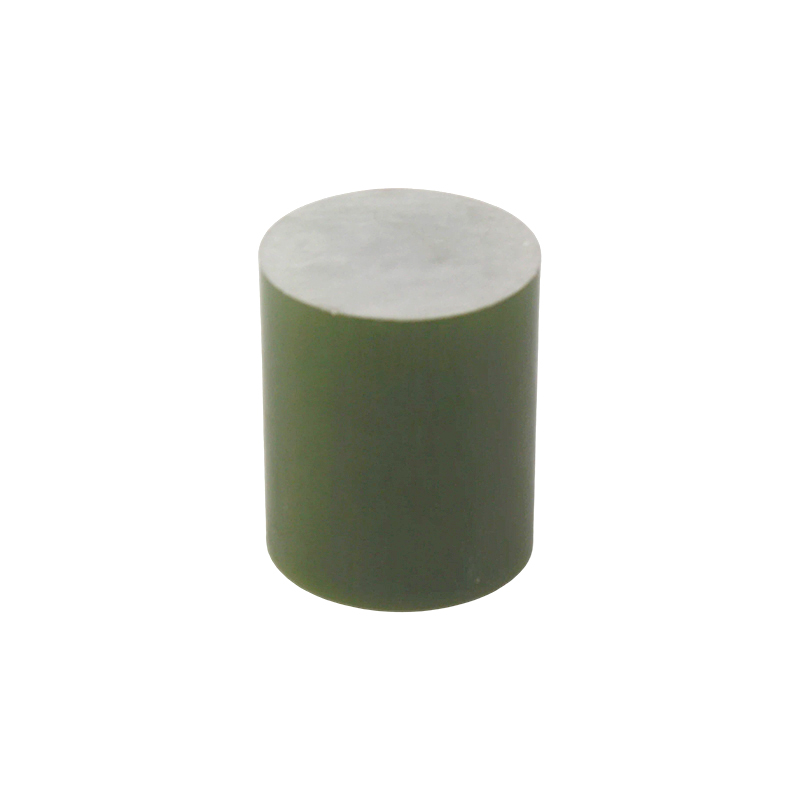
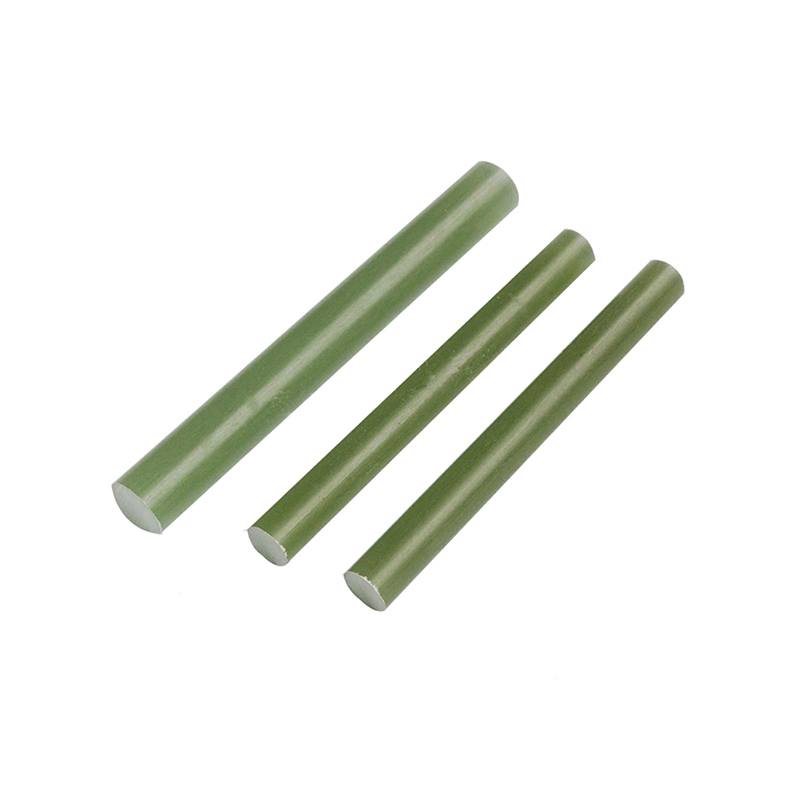
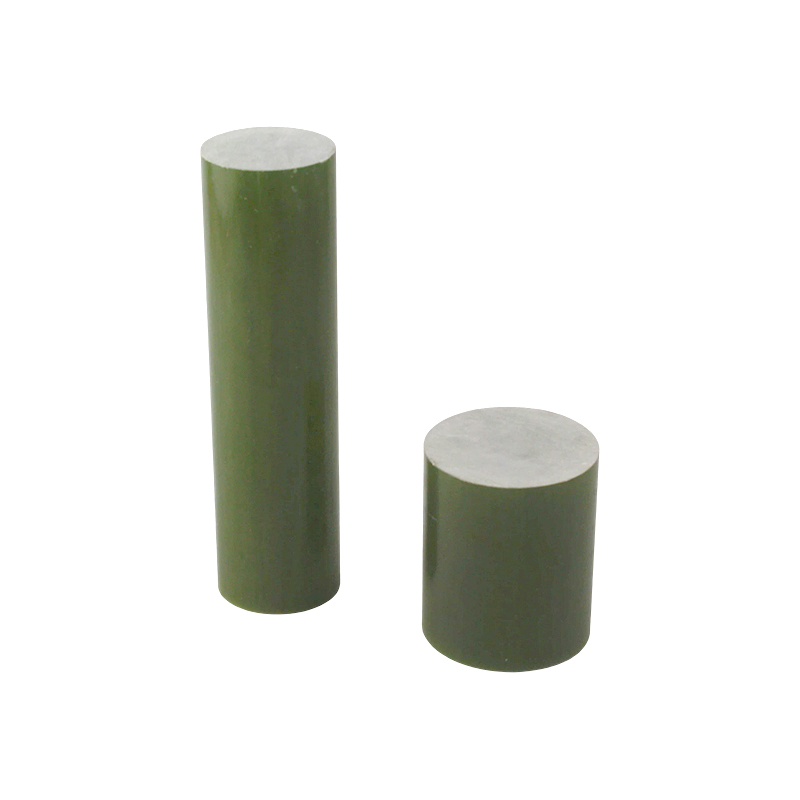
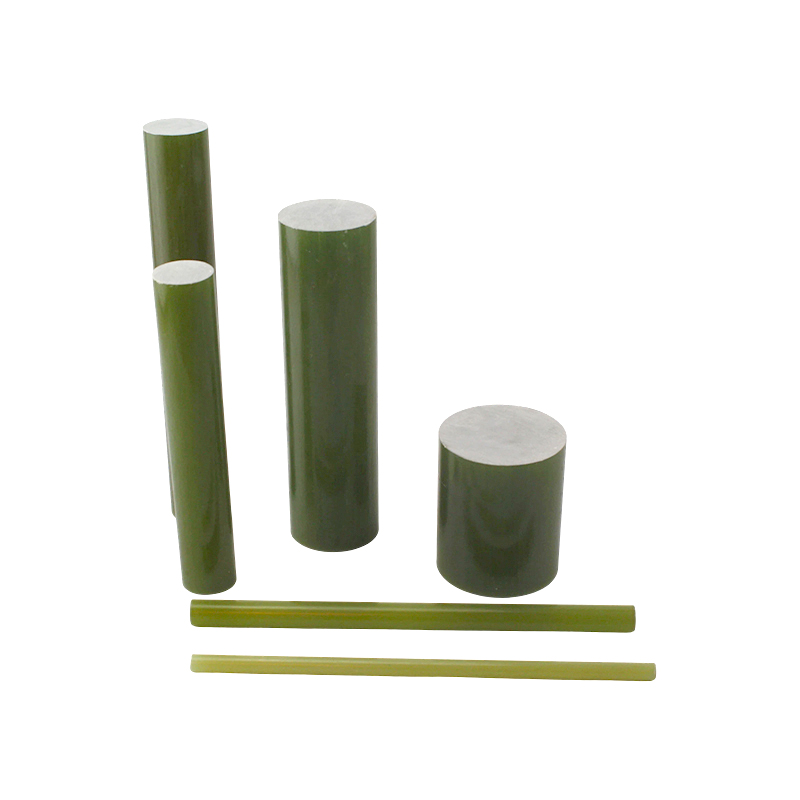
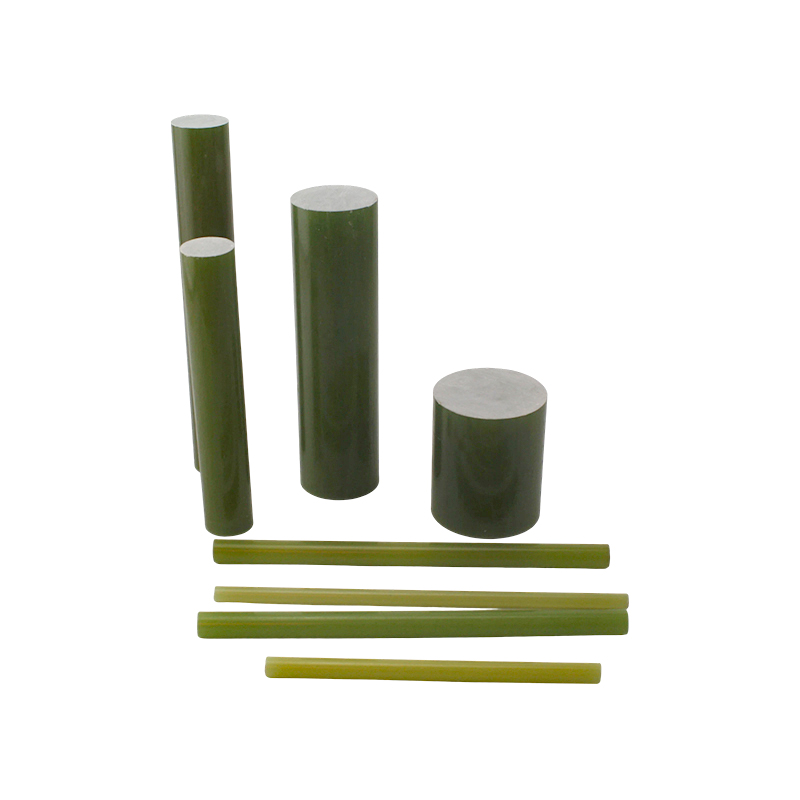
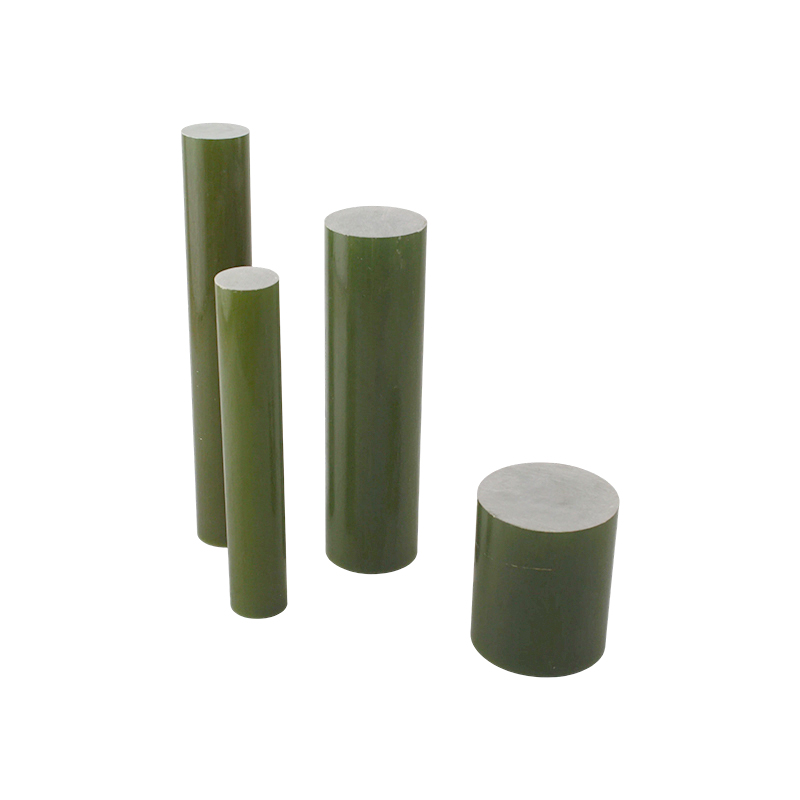
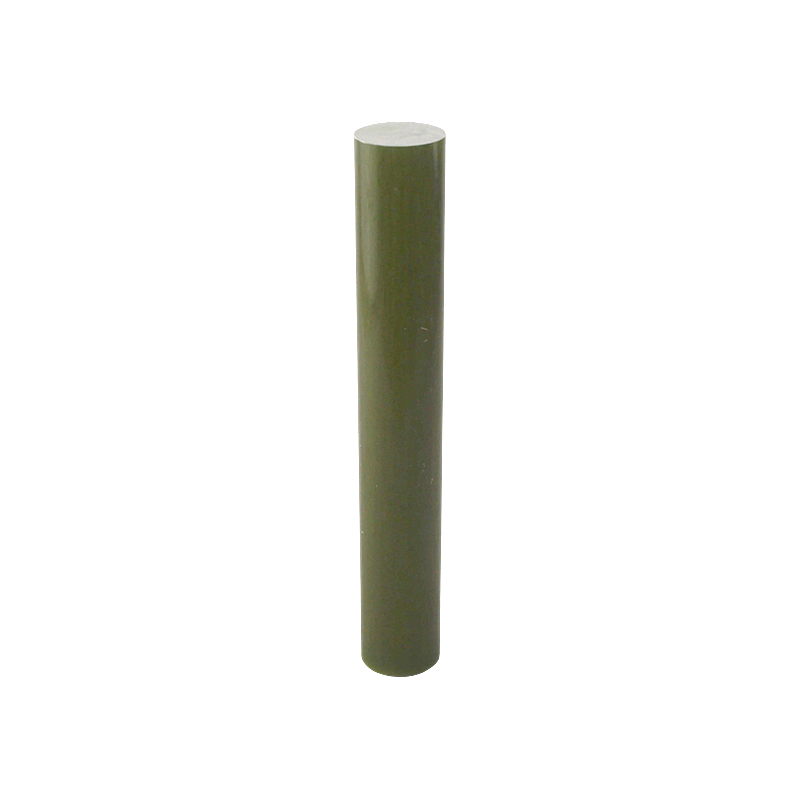
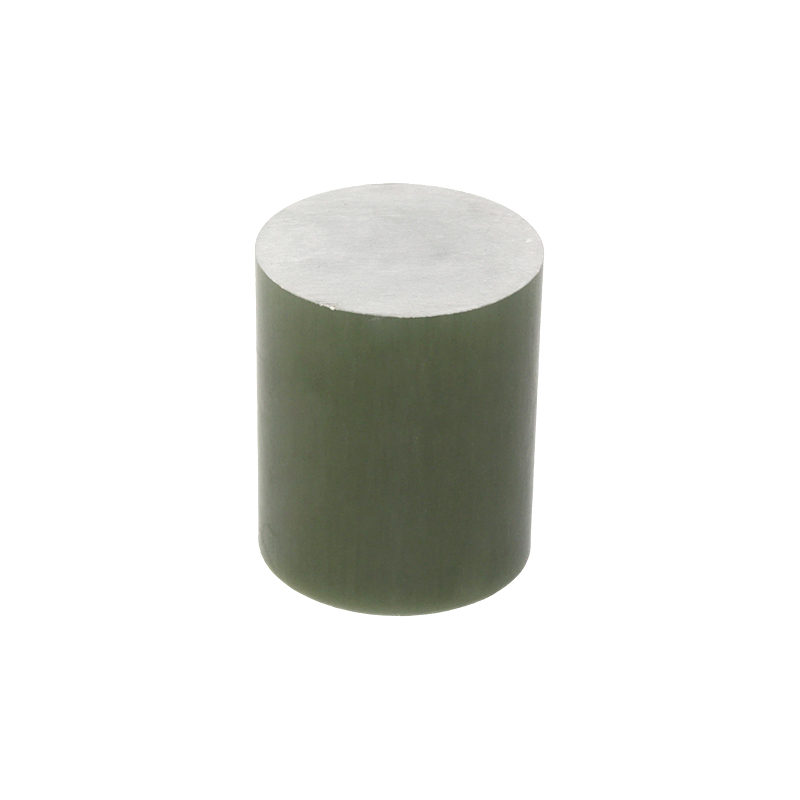
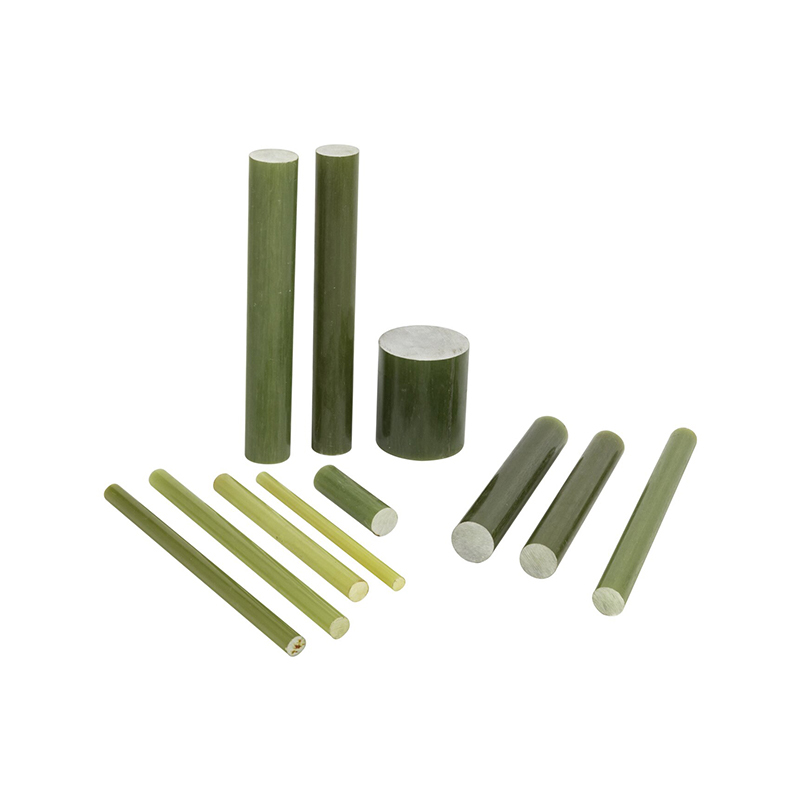
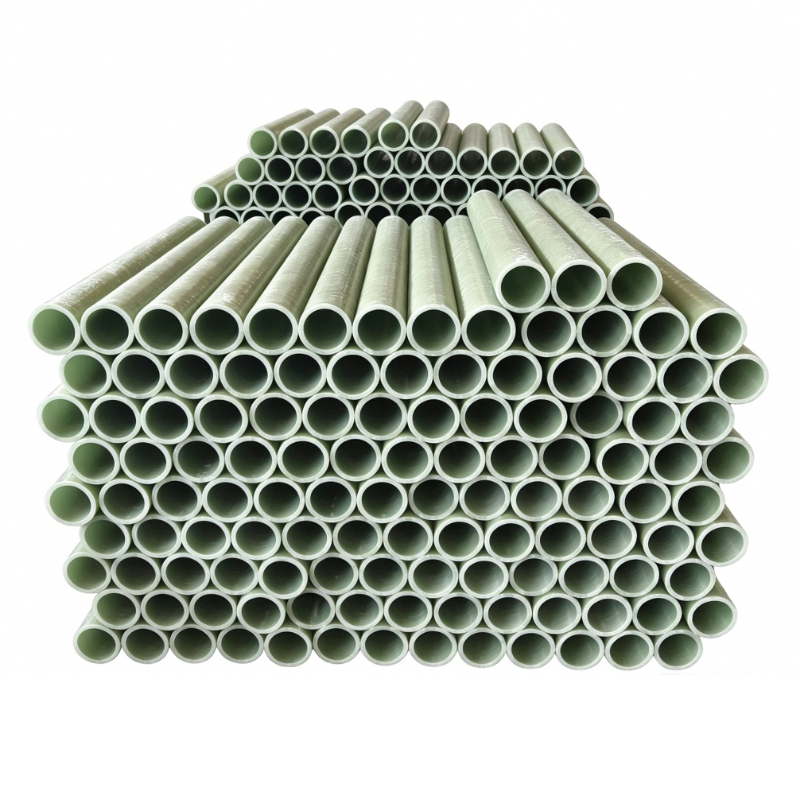
An epoxy rod is a cylindrical rod with a smooth surface and flat end faces, and it comes in several colors that are commonly used to tell grades, batches, or uses apart.
Sizing
Diameter ranges from millimeters up to more than a hundred millimeters, and length is usually long, with sizes that can be customized to customer requirements.
End Processing
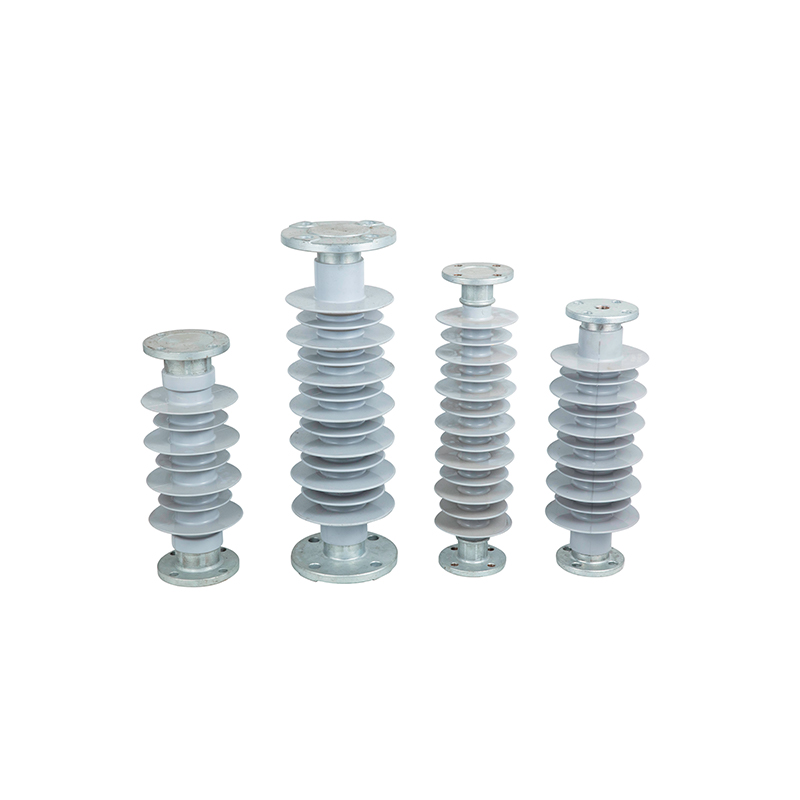
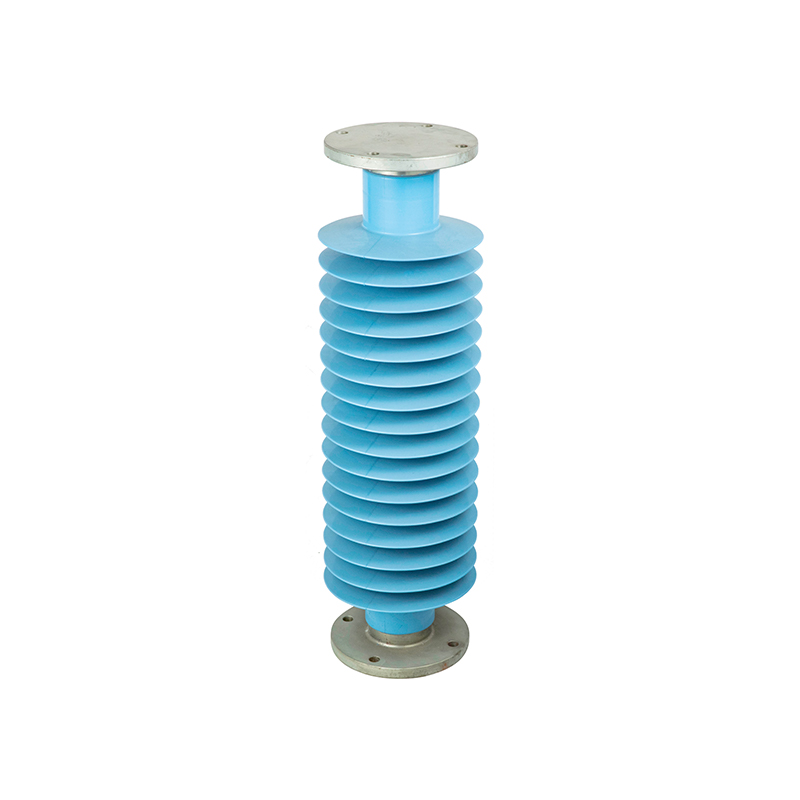
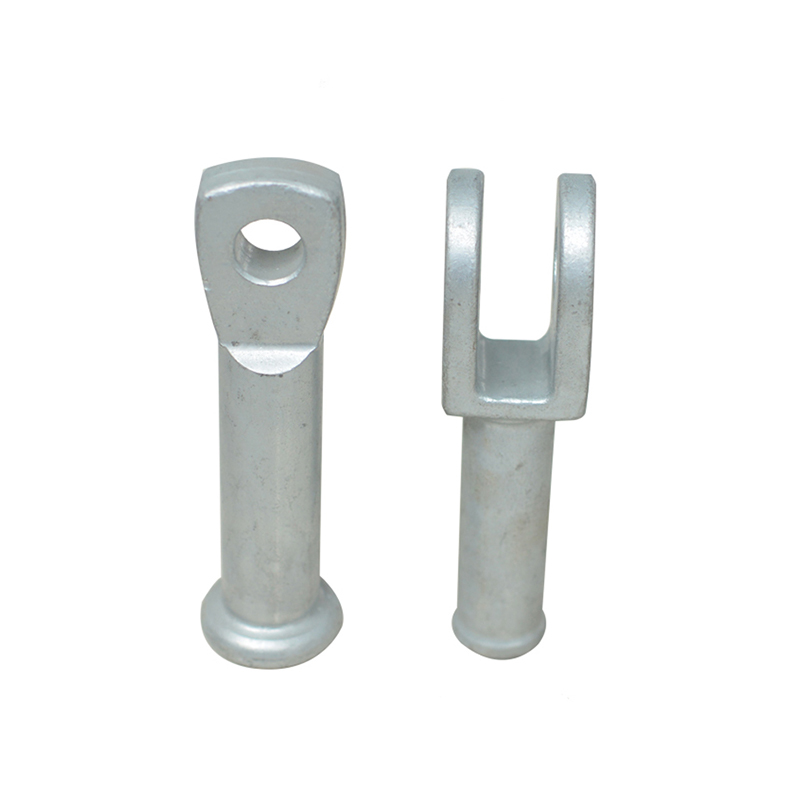
Parts are processed into shed structures or threaded structures during application to connect with insulating jackets or metal accessories.
Core Performance Features
Fiber content exceeds 80 percent of the composite, with glass fiber acting as the main load bearing phase and epoxy resin providing the bonding and protective role.
- Mechanical strength: withstands large tensile, bending, and compressive stresses.
- Electrical insulation: excellent insulation properties make it an ideal material for high voltage power equipment.
- Thermal stability: maintains good mechanical properties even at higher temperatures.
- Moisture resistance: low water absorption means performance does not degrade from moisture exposure.
- Corrosion resistance: acid resistant versions are suitable for corrosive environments.
- Processing accuracy: strict dimensional tolerance control makes the rod suitable for precision assembly.
Taizhou HuaDong Insulated Material Co., Ltd. controls these same tolerances and material ratios across its epoxy rod output, which is what allows the rod to serve as the internal support of a composite insulator in one project and a precision insulating shaft in another.
Main Applications
Power Industry
- Internal support structure of composite insulators, withstanding mechanical loads and providing electrical insulation
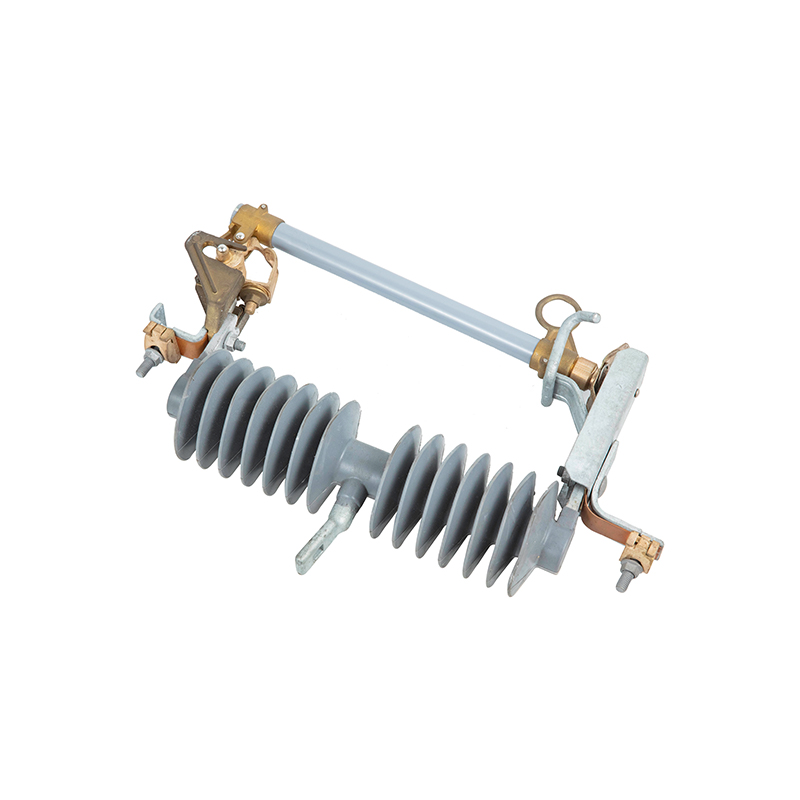
- Arrester core rods and fuse core rods, serving as insulating and supporting components in high voltage fuses
- Insulating supports or structural members in high voltage switches, transformers, and cable terminals
Other Industrial Fields
- Aerospace, as lightweight and high strength structural parts
- Chemical equipment such as pipes and brackets, where acid resistant products suit corrosive environments
- Rail transit, for insulating components or structural supports
- Machinery manufacturing, as insulated shafts, rods, and support arms in precision equipment
This spread of applications is also why Taizhou HuaDong Insulated Material Co., Ltd. positions the epoxy rod as a cross-industry product rather than a single-use component tied only to insulators.
From Rod to Finished Product
An epoxy rod on its own is a structural and insulating material, and Taizhou HuaDong Insulated Material Co., Ltd. carries it through the rest of the manufacturing chain when a customer needs a finished part. The same rod that leaves the pultrusion line as an epoxy rod becomes the core of a composite insulator once it is combined with a silicone rubber sheath and metal end fittings, which is why the company's FRP rod, composite insulator, and metal end fitting product lines are built around a shared material base rather than sourced separately. Since Taizhou HuaDong Insulated Material Co., Ltd. was founded in October 1994 as Yangzhou Dajieshi FRP Products Co., Ltd, this pairing of rod production with finished insulator assembly has remained the core of the business, with output reaching customers across North and South America, Africa, Asia, and Europe, including the USA, Kenya, Korea, India, Vietnam, Iran, Russia, Germany, and Romania.
Frequently Asked Questions
Is an epoxy rod the same as an insulator core rod
Yes, epoxy rod is the full commercial name for epoxy fiberglass rod, and it is also referred to as an insulator core rod.
What is the fiber content of an epoxy rod
Fiber content exceeds 80 percent of the composite, with glass fiber acting as the main load bearing phase and epoxy resin serving as the bonding and protective matrix.
Does the color of an epoxy rod mean anything
Epoxy rods are available in colors such as green, yellow, white, and gray, which are often used to distinguish different grades, batches, or uses.
How is an epoxy rod manufactured
Epoxy rod is manufactured through a pultrusion process that combines glass fiber reinforcement with an epoxy resin matrix.
Can epoxy rod length and diameter be customized
Yes, diameters range from millimeters up to more than a hundred millimeters, lengths are usually long, and sizing can be customized to customer requirements.
Is epoxy rod used outside the power industry
Yes, beyond composite insulators and high voltage fuses, epoxy rod is used in aerospace structural parts, chemical equipment such as pipes and brackets, rail transit components, and insulated shafts and support arms in precision machinery.