Content
Picture a 33 kV line running two kilometres inland from the coast. Its porcelain suspension strings need washing twice a year, and every wash costs a switching plan, a bucket truck and a crew. Re-string the same line with composite insulators of equal mechanical rating and that washing schedule usually collapses into an occasional visual check, because the silicone housing keeps shedding contaminated water on its own.
That is the practical reason composite insulators now carry so much outdoor insulation work. For the same rating they weigh roughly a third of what porcelain weighs, they shrug off the handling damage that chips or shatters ceramic units, and their shed profile can be designed around a specific pollution level instead of being fixed by a mould. The trade-off is just as clear: long-term performance rests on two interfaces. The bond between the FRP core and the silicone housing, and the joint between the core and the metal end fitting. Get those right and the unit outlives the line. Get them wrong and no amount of extra creepage will compensate.
Every composite insulator is the same three-part stack, whatever the voltage class or the supplier's catalogue number suggests.
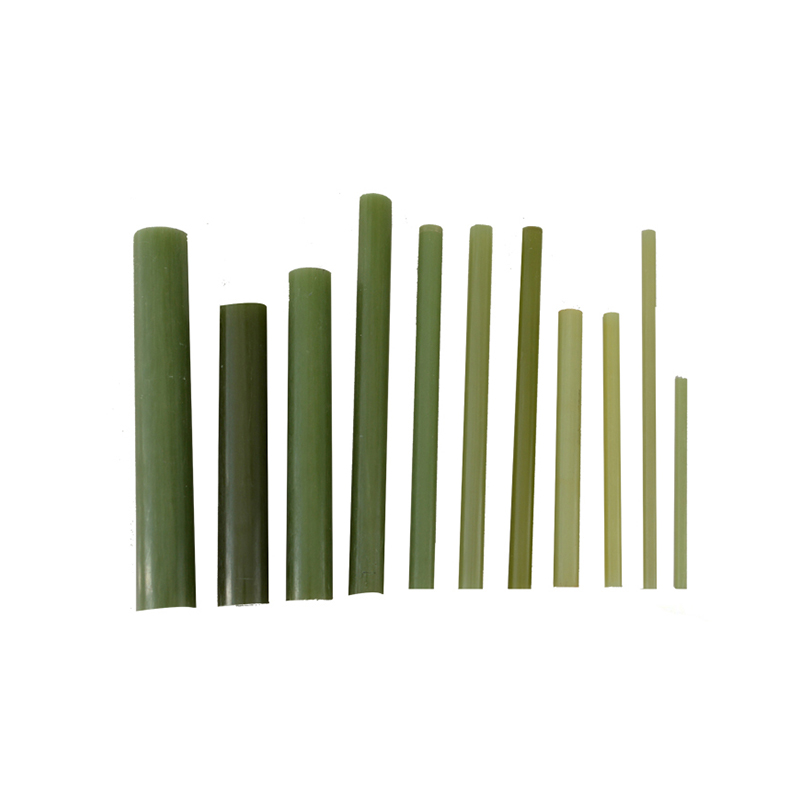
The core rod is the part that quietly decides the mechanical class. A 70 kN rod is typically around 16 to 18 mm in diameter, a 120 kN rod around 20 to 22 mm, and a 160 kN rod around 24 mm. A datasheet that quotes a specified mechanical load without stating rod diameter, resin system and fibre volume fraction is leaving the most expensive variable open. Because the rod is also sold as a semi-finished product to other insulator makers, buyers can compare core quality across suppliers directly, and a controlled pultruded epoxy core behaves very differently from a low-cost rod loaded with filler.
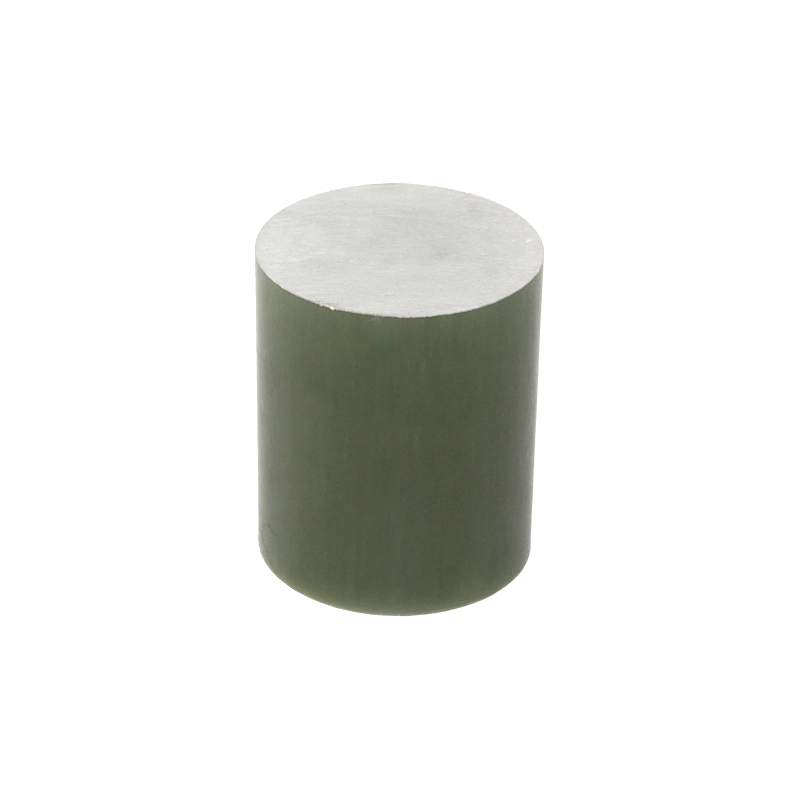 Insulator core rodThe insulator core rod is the core component of the composite insulator. It is located at the center of the insulator and is the main mechanical load-bearing component...View Product →
Start with the decision rather than the material. Choose composite when the site is polluted, access is expensive, or the tower cannot carry ceramic weight. Choose porcelain or glass when the specification is frozen for decades, when maintenance crews are already equipped for ceramic handling, or when a very long documented service record is the dominant purchasing criterion. The table below summarises the differences that usually decide the argument.
| Property | Porcelain | Glass | Composite |
|---|---|---|---|
| Mass for the same rating | Highest | Moderate | Lowest, about one third |
| Impact and handling | Chips and cracks | Shatters into pieces | Flexes, does not shatter |
| Surface behaviour | Hydrophilic, needs washing | Hydrophilic, needs washing | Hydrophobic silicone |
| Shed and creepage design | Fixed by mould | Fixed by mould | Adjustable per pollution level |
| Failure mode | Puncture possible | Puncture possible | Flashover usually external |
| Long-term uncertainty | Well documented | Well documented | Housing ageing, interface quality |
The lightweight advantage is not cosmetic. On a lattice tower it reduces the load on the cross-arm and the foundation, and on a retrofit it is often the only way to raise the insulation level without reinforcing the structure. On a railway portal frame it changes how the cantilever is braced. Those are civil-engineering savings that never appear in an insulator quotation, yet they frequently outweigh a modest unit price difference.
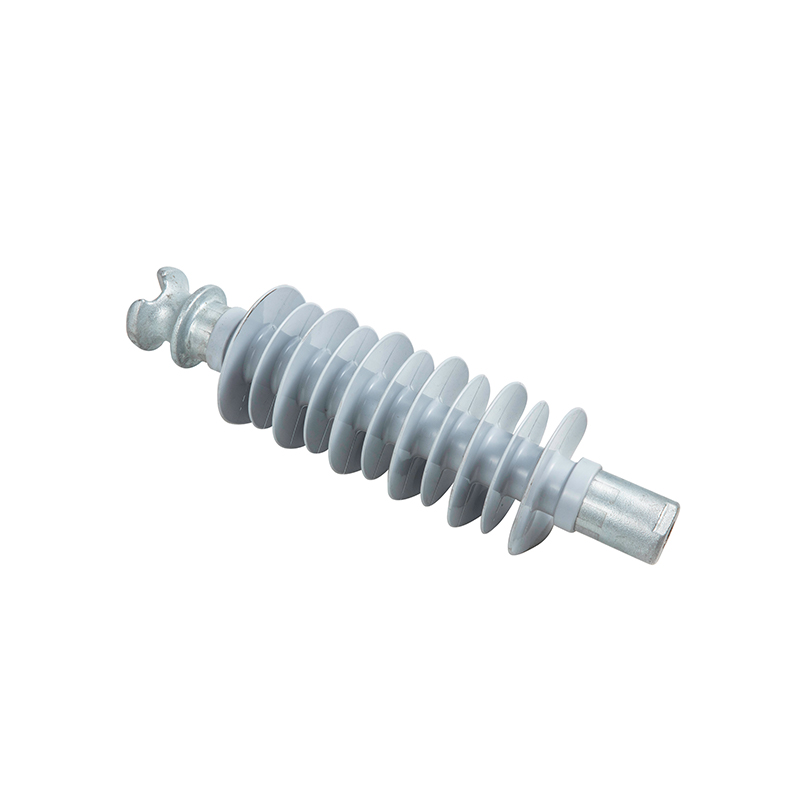
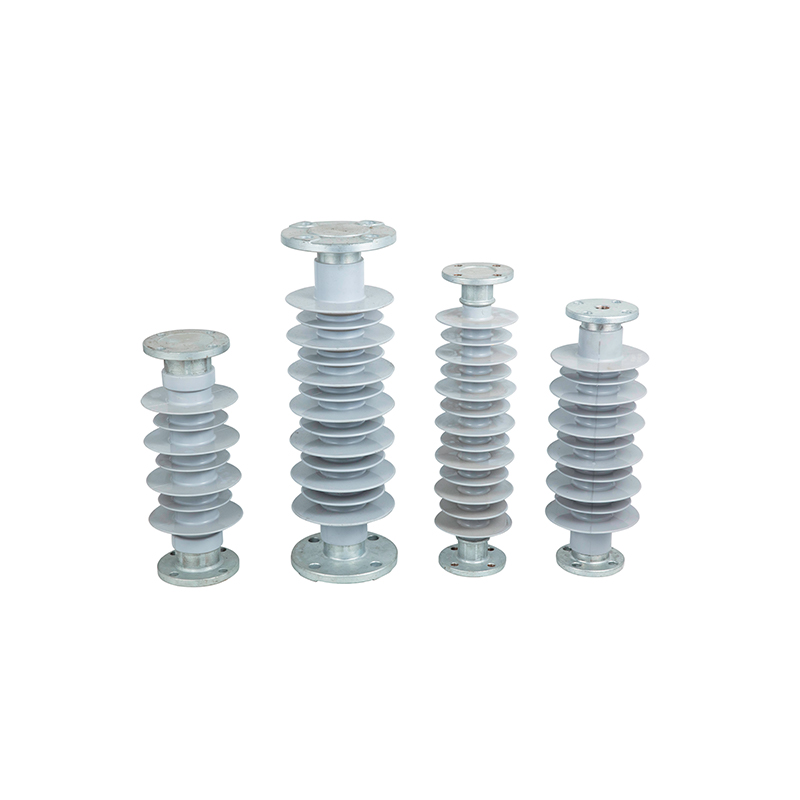
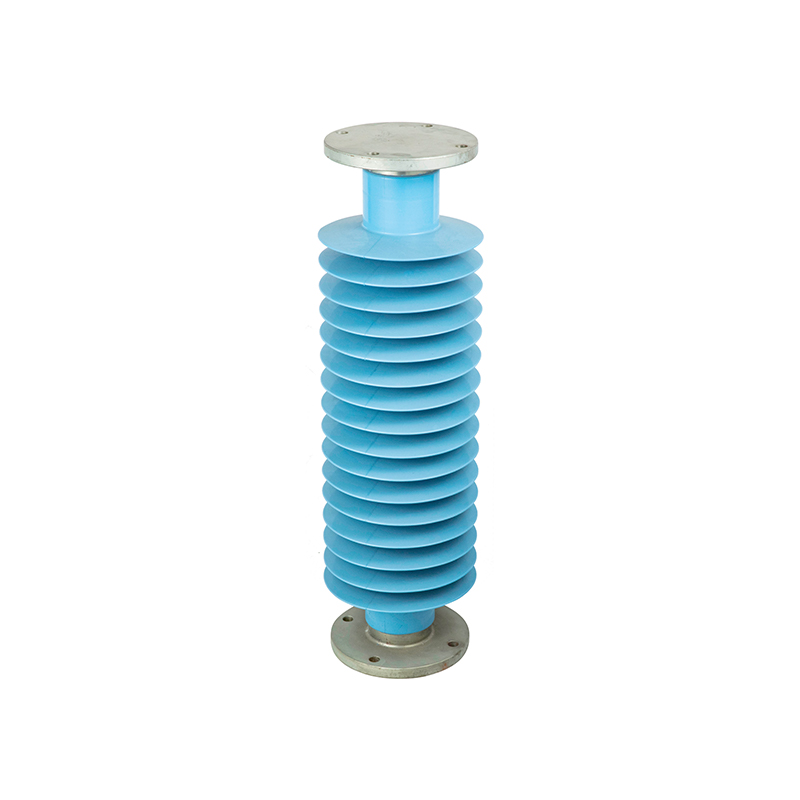
Pin types suit distribution lines and spurs where the conductor is supported on a single point. Post types carry horizontal or vertical loads in substations, on disconnector supports and inside switchgear enclosures, and are frequently supplied as a stack of two or three units with a specified cantilever strength at the top section. Cantilever, not tensile strength, is the number to check for a post design.
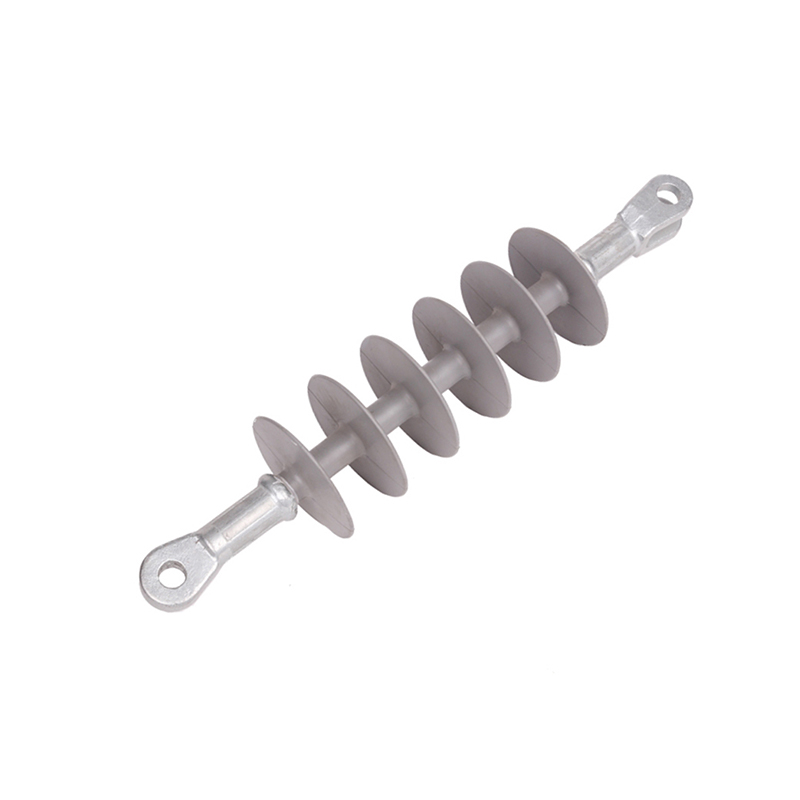
Suspension strings hang the conductor and set the creepage. Here the specified mechanical load, the creepage distance and the end fitting interface all matter at once, because the string is also the shortest path between energised and grounded parts. String length tolerance becomes a real procurement issue on double-circuit towers, where a 30 mm mismatch between units on the same cross-arm throws the conductor position off.
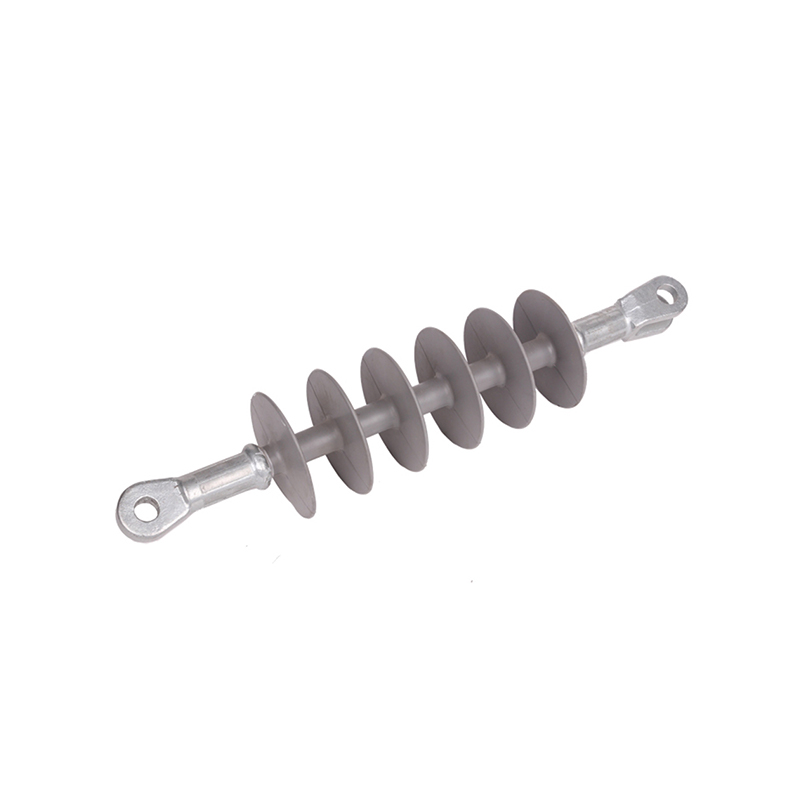 Composite Suspension InsulatorComposite Suspension Insulator is an insulating component specially used for high-voltage transmission lines. It has a long strip or rod-shaped structure in appearance...View Product →
Electrified railway catenary is a separate design problem. Vibration, repeated mechanical shock, compact clearances and aggressive cleaning regimes push designers toward specialised shed profiles and fittings that match the cantilever tube rather than a transmission line yoke plate. A railway catalogue item and a transmission catalogue item with the same voltage class are not interchangeable, and treating them as such is a common early-stage specification error.
Most avoidable disputes trace back to an incomplete inquiry. Six parameters settle the technical core of the order.
If the purchasing team is still deciding between structures, a short review of how to choose the right composite insulator is a faster route than working through a full catalogue, because it maps the selection sequence to the questions a line designer actually asks.
Composite insulators fail quietly. A ceramic unit that is damaged is usually visible, while a composite unit with a weak core-to-housing bond or an over-crimped fitting can pass a visual inspection and still be the weakest point on the line. That is why the inspection regime deserves more space in the purchase order than the price table.
A workable regime relies on three gates: self-check by the operator, mutual check between shifts or workstations, and dedicated inspection by a separate quality function with the authority to stop a batch. Routine testing on every unit, sample tests on each batch, and type test reports held on file close the loop. Independent test reports for dye penetration, water diffusion and tracking resistance are the documents worth requesting when a new supplier is being qualified.
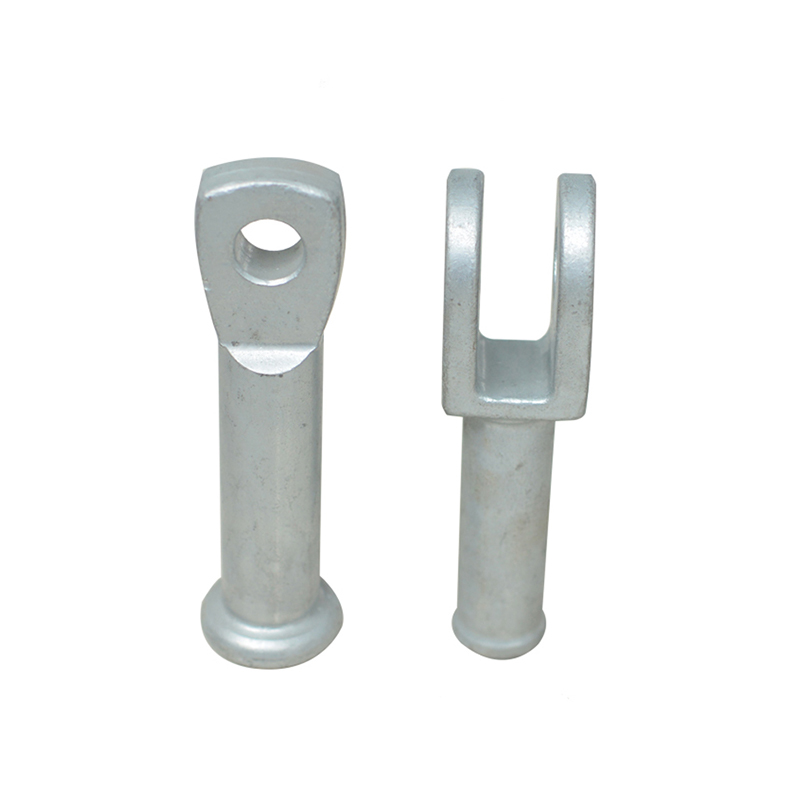
The fittings deserve the same attention as the insulator body. A well-made composite unit with a poorly galvanised or incorrectly crimped end fitting will corrode, loosen and eventually release the conductor, and the failure will be attributed to the insulator rather than to the accessory. Buying the insulator and its fittings from one qualified source removes that grey zone of responsibility, which is why matched supply is worth asking about before the order is split between two vendors.
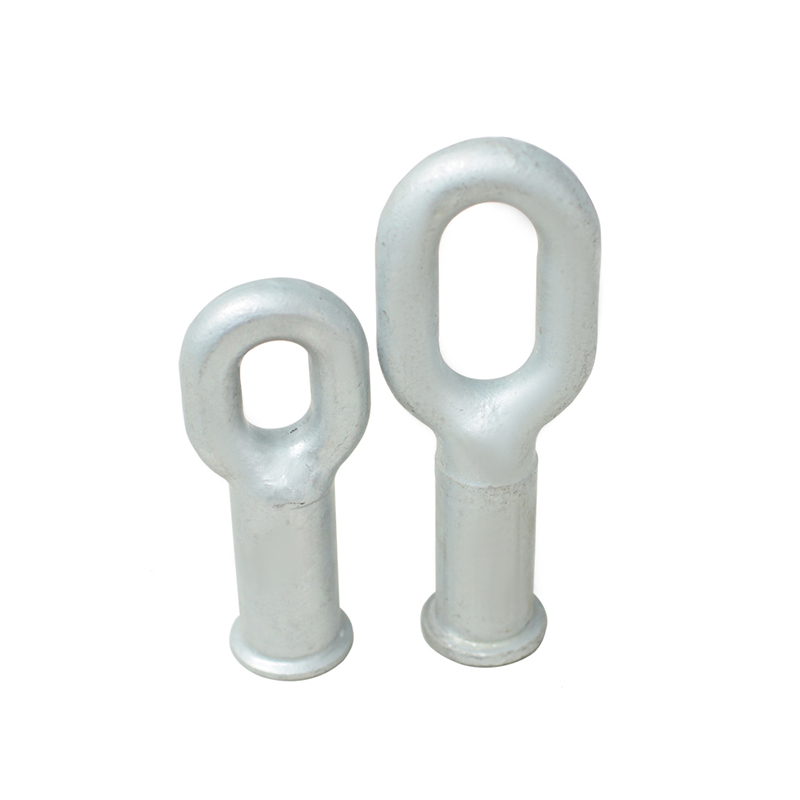 Insulator FittingsInsulator fittings are a collective term referring to the metal accessories used in conjunction with insulators within power systems. Primarily utilized for connecting...View Product →
Pultrusion is a continuous process, and core rods are usually produced in long lengths and cut to order. When a supplier runs its own pultrusion line, delivery is governed by resin and glass availability plus line scheduling rather than by a third party's queue. When the rod is bought in, every change in rod specification becomes a fresh negotiation upstream, and that delay shows up as a revised ship date on the insulator order.
The same logic explains why the companies that pull their own rods often supply other insulator manufacturers as well. A core rod is both an internal component and a tradable semi-finished product, and the technical conversation with a rod supplier sounds very different from the conversation with a finished-goods trader, because it covers fibre volume fraction, resin formulation and straightness. Buyers comparing the supplier's composite insulator range should ask who makes the rod, and treat a clear answer as a positive signal about process control.
Twenty-five years is a reasonable planning assumption for a well-made unit in moderate pollution, but the number is not guaranteed by the material alone. Housing formulation, the quality of the core-to-housing bond and the pollution severity of the site drive the real figure, which is why routine test data matters more than a marketing lifetime claim.
They can, but high-pressure washing is usually unnecessary and can damage the sheds if the nozzle is held too close. Where washing is still scheduled, keep the pressure moderate and inspect the housing for cuts and erosion after each pass, because a damaged silicone surface loses its hydrophobicity locally.
Quoting a creepage distance without stating the pollution level, the altitude and the shed profile. Two insulators with identical creepage figures can behave completely differently on a coastal site, and the difference only appears after a few wet seasons, long after the warranty conversation has closed.
Composite insulators are a system, not a single part. The rod sets the mechanical class, the housing sets the pollution performance, and the fittings decide whether the unit survives vibration and corrosion. A purchase order that captures all three, plus the routine and sample test evidence behind them, is far cheaper than a line re-string.
Before the next inquiry goes out, confirm four numbers: rod diameter, specific creepage distance, specified mechanical load, and the end fitting interface. Suppliers who answer those four questions with documents rather than adjectives are the ones worth putting on the shortlist.
Contact Us

jszn@vip.163.com
jsthim@188.com

0086 523-88026699
0086 523-88665172



Quick Links
Product Categories
Message Us Now !