Content
Two suppliers quote the same composite insulator, and the price gap is 18 percent. The difference is not the silicone housing or the metal end fittings; it is the fiberglass core. One quote assumes a pultruded epoxy rod with a defined void content and a water diffusion test report. The other assumes a generic glass rod bought by diameter alone.
The short answer: "fiberglass core" covers two very different products. Where the core carries mechanical load and holds off voltage, specify a pultruded epoxy fiberglass core rod made from unidirectional E-glass in an epoxy matrix, machined to tolerance and verified for voids, straightness and moisture resistance. Where the core only keeps two skins apart and adds stiffness at minimum weight, foam, balsa or honeycomb will almost always beat fiberglass on cost per unit of stiffness. The rest of this page explains where that line sits, what belongs in a specification, and which failures appear when the line is ignored.
Engineers use "fiberglass core" both for a load-bearing member and for a lightweight sandwich filler. Both uses are legitimate, and confusing them is the most common source of rework.
A third variant sits between the two: hollow sections made by filament winding. A wound tube gives a large diameter core with a controlled wall thickness, which helps when stiffness per kilo matters and a solid rod would be unnecessarily heavy.
The table below is a screening tool, not a final selection. Density and strength figures move with resin system and glass content, so ask for test data on the exact grade being quoted.
| Core material | Typical density (kg/m3) | Compressive strength | Water absorption | Best fit | Main risk |
|---|---|---|---|---|---|
| Pultruded epoxy fiberglass rod | 1,800-2,000 | Very high along the axis | Very low | Load-bearing cores, insulating cores, insulator production | Higher cost per kilo, controlled end machining needed |
| End-grain balsa | 100-250 | Moderate to high | High unless sealed | Marine decks, stiff panels | Rot and moisture ingress |
| PVC or PU foam | 40-200 | Low to moderate | Low | Light panels, non-structural cores | Crushing under point loads |
| Plywood | 500-700 | Moderate | High | Low-cost repair, prototypes | Delamination, variable quality |
| Aluminum or aramid honeycomb | 30-100 | High in compression | Low | Weight-critical panels | Cell collapse, cost, bonding complexity |
Read the table one column at a time. If compressive strength is the deciding factor, balsa or honeycomb may be enough. If water absorption and dielectric performance matter, the fiberglass rod family is the realistic option.
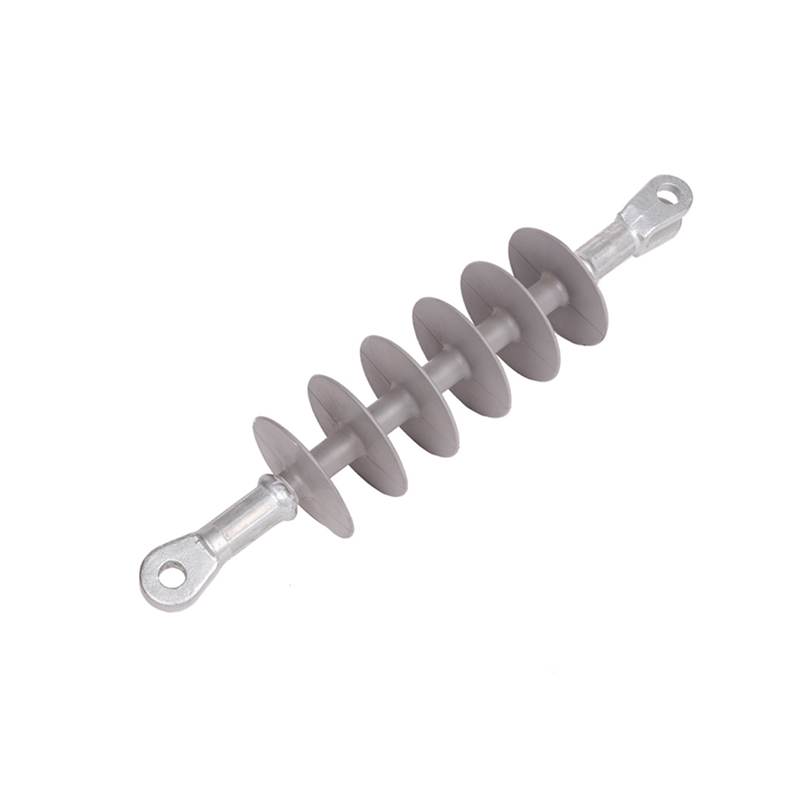
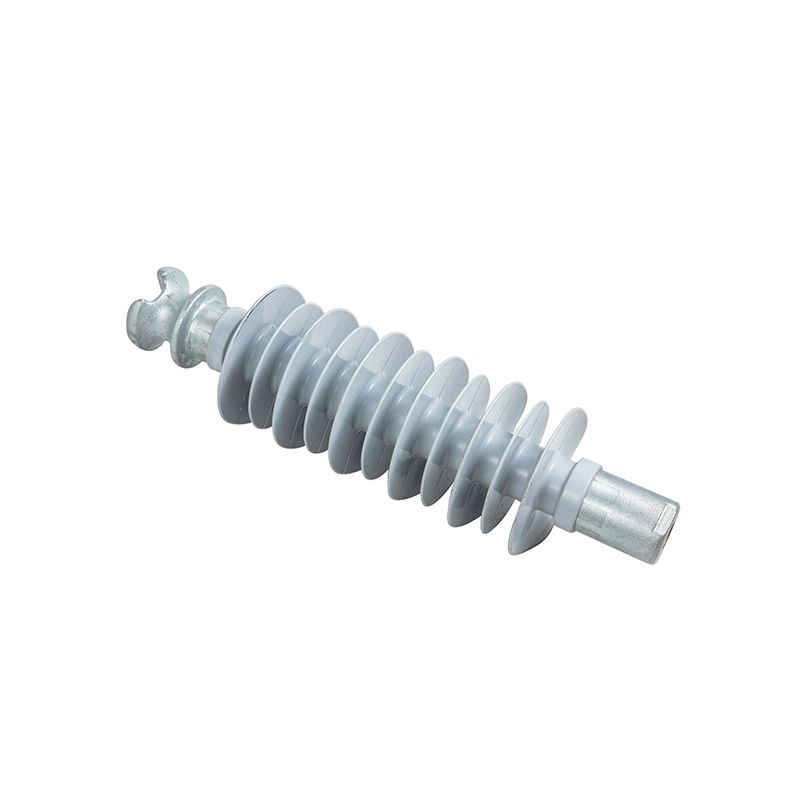
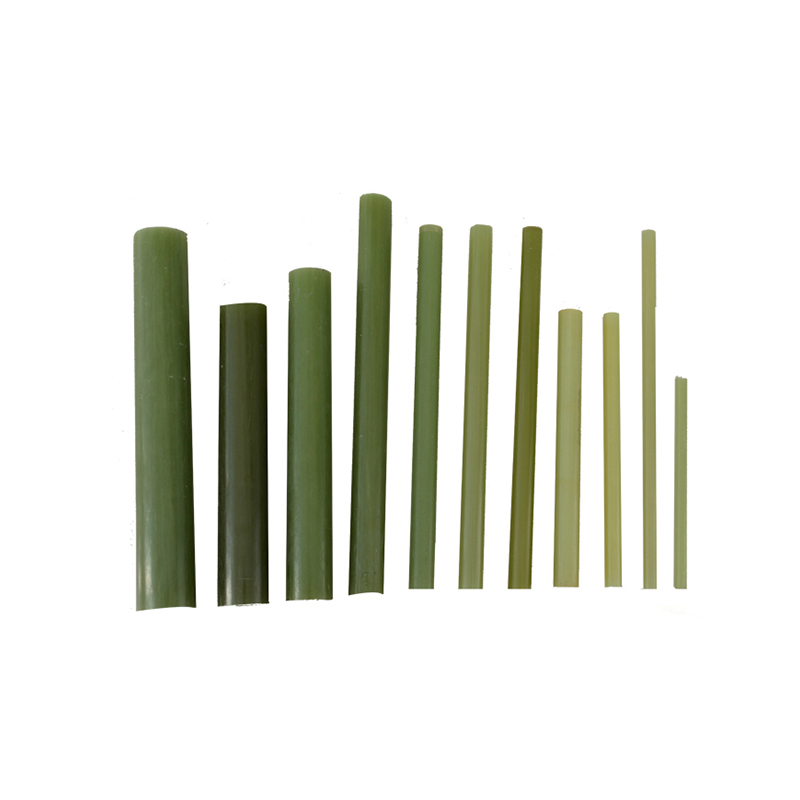
The clearest example is a composite insulator. A pultruded rod of roughly 16 to 40 mm sits at the centre of the assembly, and everything else is built around it: the silicone housing protects the surface, the metal end fittings transfer conductor load into the glass fibers, and the rod itself supplies both mechanical strength and electrical insulation. If that rod carries voids or has taken up moisture before crimping, the whole unit is scrap.
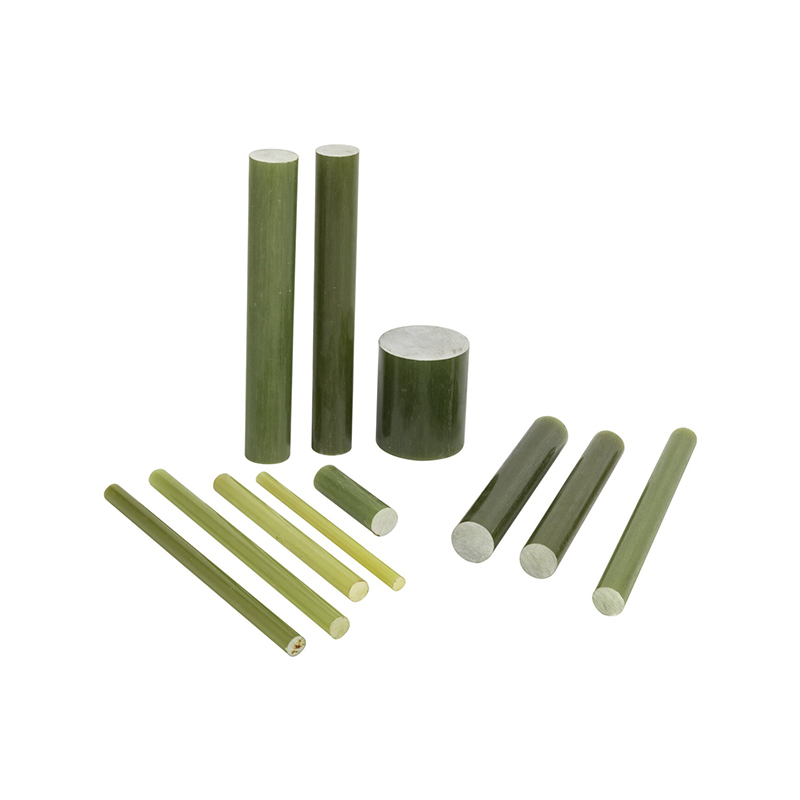
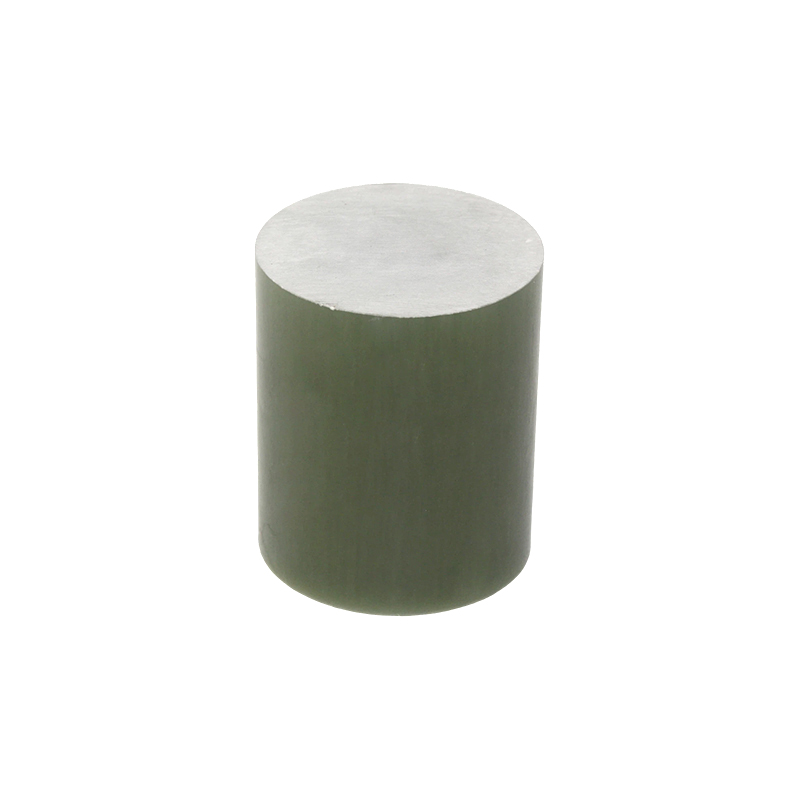 Insulator Core Rod for Composite InsulatorsCentral pultruded glass-fiber rod that provides mechanical strength and electrical insulation for composite insulators in power systems.View Product →
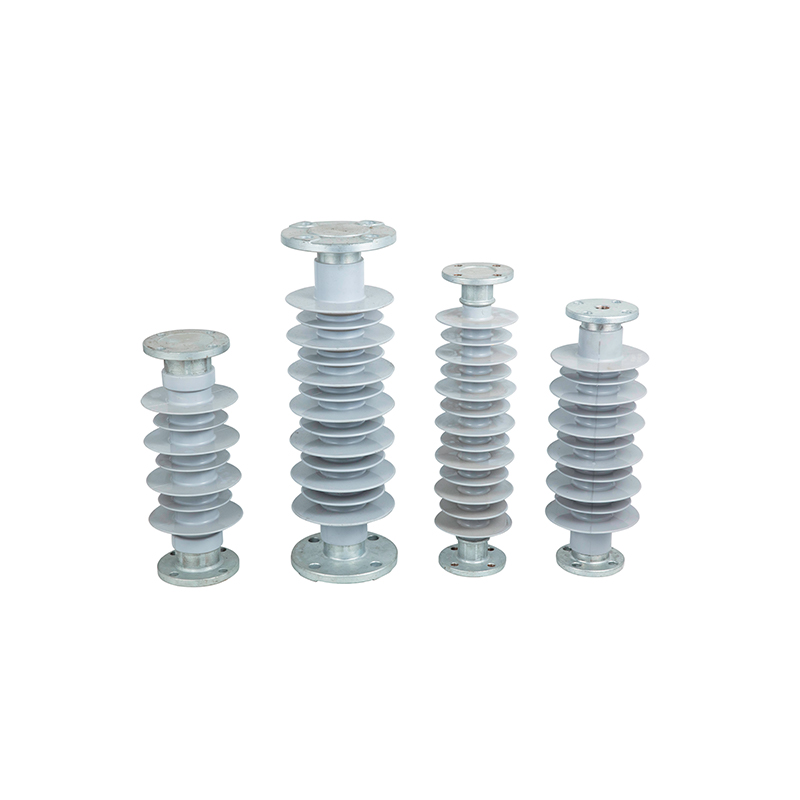
Insulator core rod is specified by diameter, glass content, void content, colour and bend, and it is normally supplied with a water diffusion or dye penetration result. The same logic applies to railway insulators, where vibration and pollution demand a core that does not creep or track.
Not every core needs to be solid. For bushings, telescopic structures and long rods where weight and stiffness per kilo decide the design, a filament wound tube answers better than a solid rod of the same outer diameter. The winding angle controls the balance between hoop and axial strength, so a 45-degree pattern behaves quite differently from a near-axial one.
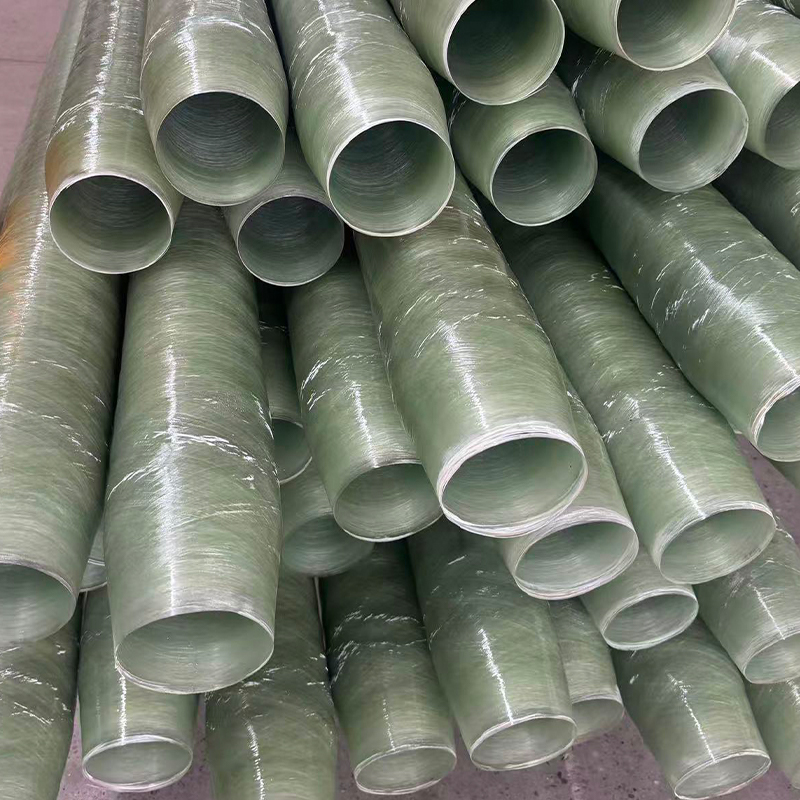 Filament Wound Composite Tube for Insulating StructuresHollow glass-fiber reinforced tube with customizable diameter and wall thickness for load-bearing and insulating applications requiring high hoop strength.View Product →
Choose a wound tube for a hollow core, a large diameter with controlled wall thickness, or extra hoop strength. Choose a solid pultruded rod when the core must be machined, threaded or crimped into a fitting.
An order that says only "fiberglass rod, 20 mm" leaves the supplier to choose the resin, the glass content and the acceptance test. Those three choices set both the price and the failure rate. A workable specification lists:
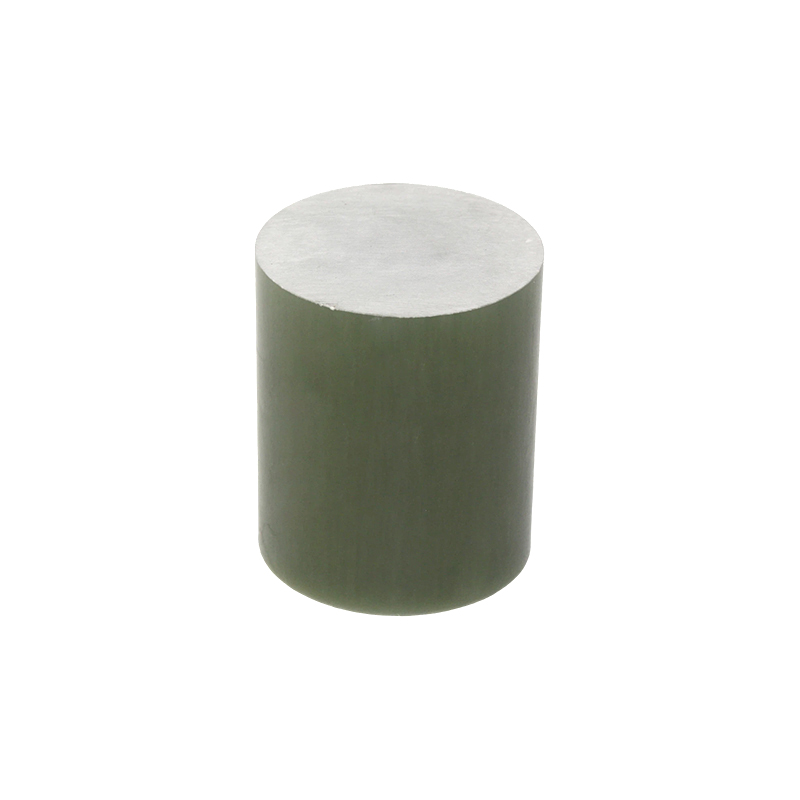 Epoxy Fiberglass Rod for Insulator and Structural ApplicationsPultruded glass-fiber epoxy rod with high fiber content and electrical insulation, suitable for composite insulators and precision structural components.View Product →
Buyers who work through the FRP rod selection criteria before sending an enquiry usually avoid a second round of sampling, because the supplier knows from the start which properties will be checked on arrival.
Most field failures traced back to the core fall into a short list. Knowing them before the order is placed is cheaper than finding them in a test report.
A supplier running an ISO 9001 system with self-check, mutual-check and specialist inspection, and with the authority to reject a batch, removes most of these risks before shipment. Ask for the inspection record, not only the certificate.
No. A core rod is solid and carries axial load or provides insulation. A tube is hollow and is chosen for stiffness per kilo or hoop strength. They are made on different equipment and are not interchangeable in a design.
Far less than balsa or plywood, but not zero. Unprotected cut ends and surface damage let moisture migrate along the fiber-resin interface over time, which is why end sealing and a diffusion test matter outdoors.
Yes, with the right tooling. Carbide or diamond tools, slow feed and dust extraction are standard practice. Machining cuts fibers, so a machined face behaves as a new surface and should be sealed if it stays exposed.
Epoxy gives higher mechanical strength and better adhesion to most housings; vinyl ester tolerates certain chemicals better and usually costs less. For insulator cores, epoxy remains the established choice.
Getting the fiberglass core right is mostly a matter of deciding early what the core must do: carry load, insulate, or simply add stiffness. That single decision narrows the material list, the test plan and the supplier list at the same time. For an insulator, a railway application or a structural assembly, a manufacturer with more than thirty years in composite and insulation production can normally say within one enquiry whether a pultruded epoxy rod, a wound tube or a sandwich core is the honest answer.
Contact Us

jszn@vip.163.com
jsthim@188.com

0086 523-88026699
0086 523-88665172



Quick Links
Product Categories
Message Us Now !