Content
If you are sourcing an epoxy fiberglass core, settle one question first: which of two different products do you actually need? A pultruded epoxy fiberglass core rod is a continuous, machine-ground cylinder with a glass content above 70 % by weight and a diameter tolerance measured in tenths of a millimetre. A laminated core is a foam, wood or PVC former wrapped with glass cloth and epoxy, and it exists mainly to give a hand-laid part its shape.
Both get called an epoxy fiberglass core, and mixing them up produces either an over-priced panel or an under-engineered insulator. The rule of thumb is short: if the core carries mechanical load, line voltage, or both, specify a pultruded rod. If it only defines a shape inside a laminate, a laid-up core is usually enough.
The difference shows up in four measurable places: glass content, fibre orientation, void content and dimensional control. Pultrusion pulls continuous rovings through a heated die, so the fibres run along the axis and the resin cures under pressure. Hand lay-up deposits cloth in layers, and the fibre direction follows whatever the fabric happens to do.
| Property | Pultruded epoxy fiberglass core rod | Hand-laminated core |
|---|---|---|
| Glass content by weight | 70-80 % | 40-60 %, depending on how much resin is squeezed out |
| Fibre direction | Continuous axial rovings with a surface mat | Woven or stitched cloth, direction set by the lay-up |
| Void content | Typically below 1 % | 3-10 % without vacuum bagging |
| Diameter control | Ground to ±0.05-0.10 mm | Set by the former plus the cloth thickness |
| Typical use | Insulator core, load-bearing tie, machined sleeve | Moulds, panels, prototypes, fairings |
| Standards that apply | IEC 61109, GB/T 19519, JB/T 8460 | Rarely certified; tested against project drawings |
If a supplier quotes you a "fiberglass core" without saying which column it belongs to, ask for a cross-section photograph and a glass content figure before anything else.
Epoxy costs more than polyester, and in a core rod you are paying for three specific things: lower cure shrinkage, stronger bonding to the glass surface, and much better resistance to water and hydrolysis. A core that takes up one percent moisture loses dielectric strength, swells slightly, and changes the stress state at the point where it meets the metal fitting.
Glass type matters as much as resin. Standard E-glass loses tensile strength quickly in acidic conditions, while ECR boron-free glass holds up far better. That difference is real for cores used near coastal substations, industrial exhaust or rail corridors with heavy pollution.
Two tests expose these weaknesses and are hard to argue with: a dye penetration test after 100 hours in boiling water, and a water diffusion test on a finished insulator section. Both sit inside IEC 61109 and its Chinese counterpart GB/T 19519, the standards our rods are produced against. Quality control here runs on a three-step inspection system — self-check, mutual check and dedicated inspection — and the inspector holds a veto over release.
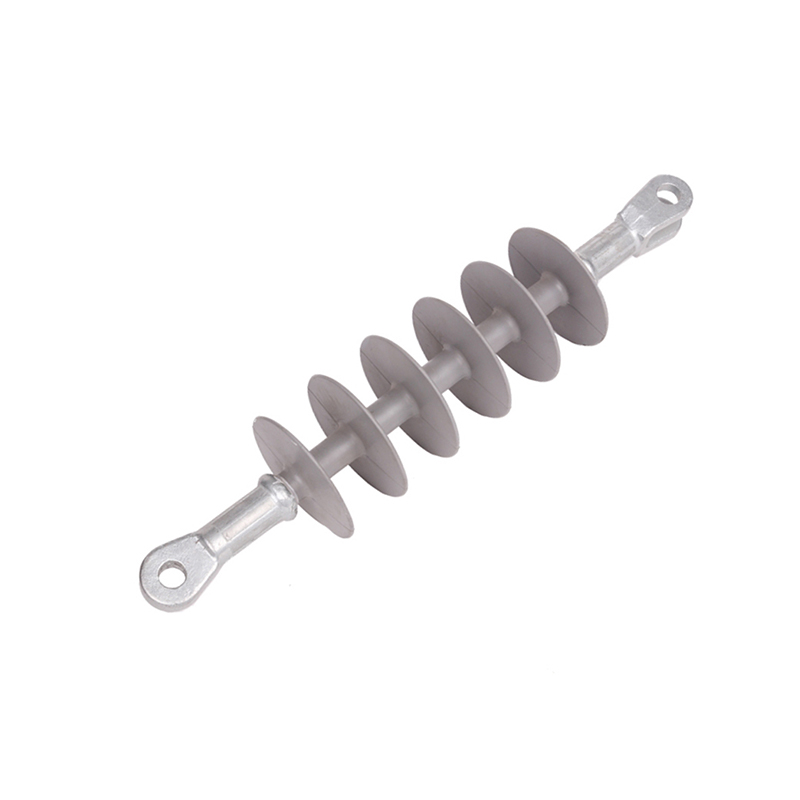
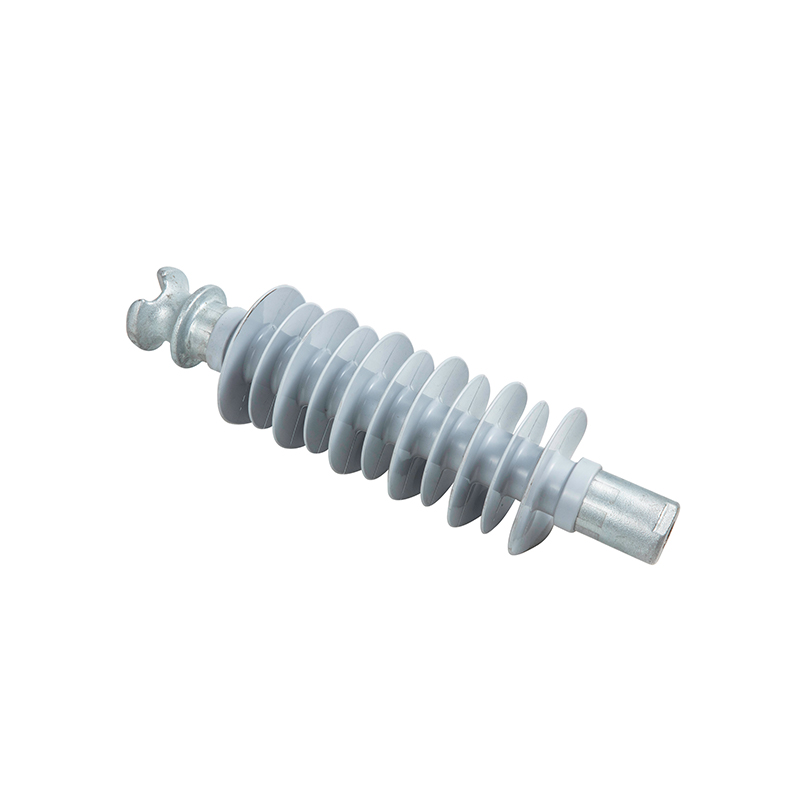
A composite insulator is a three-part assembly: the epoxy fiberglass core rod, the metal end fittings crimped or wedged onto each end, and the silicone or HTV housing that sheds rain. The core is the only part that carries the mechanical load, and it is also the part nobody can inspect once the housing is moulded around it.
That is why most field failures begin at an interface rather than in the middle of the rod. If the seal at the fitting is incomplete, moisture wicks along the glass fibres, the resin hydrolyses, and the rod-to-fitting joint loosens. In a brittle-fracture failure the rod can snap with no visible damage to the sheds at all.
The practical consequences for buying are narrow and clear. The rod surface must be smooth and free of longitudinal scores, the cut ends must be sealed with resin, and the fittings — insulator fittings, power fittings or railway fittings, depending on the application — must be matched to the rod diameter and the crimp pressure used on the press.
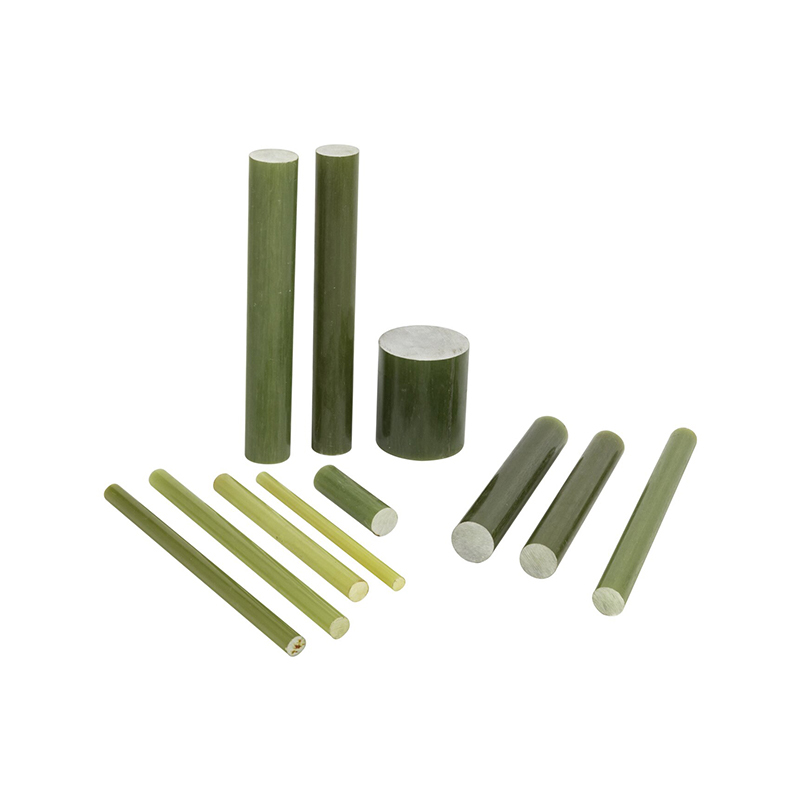
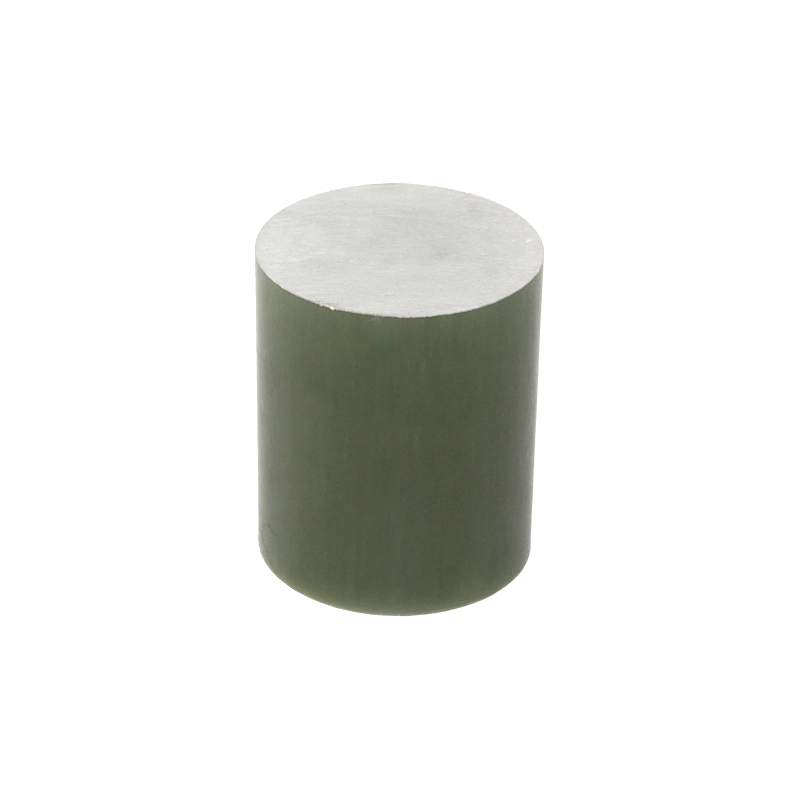 Composite Insulator Core Rod for High-Voltage InsulatorsGlass fiber reinforced resin rod for composite insulators, covering surface finish, sealed ends, fitting match and drawing tolerances.View Product →
Most rework on core rods traces back to three omissions: no diameter tolerance, no straightness limit, and no statement of glass content. Add them to the drawing and the argument is over before it starts.
| Drawing item | Typical requirement | Why it matters |
|---|---|---|
| Diameter | 16 mm ±0.10 mm, ground finish | Determines whether the crimp or the shed mould closes correctly |
| Straightness | 1 mm or less per metre | Prevents eccentric loading and premature cantilever failure |
| Glass content | 70-80 % by weight | Controls stiffness, creep and long-term deflection |
| Water diffusion | No dye penetration after 100 h boil | Predicts interface failure years before it happens |
| Surface | Smooth, no longitudinal scores | Scores concentrate stress and seed cracks |
| Ends | Chamfered and resin-sealed | Stops moisture wicking along the fibres |
Beyond dimensions, ask for the resin system, the cure schedule and the test reports that go with the batch. If the glass transition temperature is close to the service temperature, the rod will creep under sustained load even though it passed a short-term tensile test.
For a wider walkthrough of profile types and tolerance bands, this guide on how to choose the right FRP rod profiles covers the trade-offs in more detail.
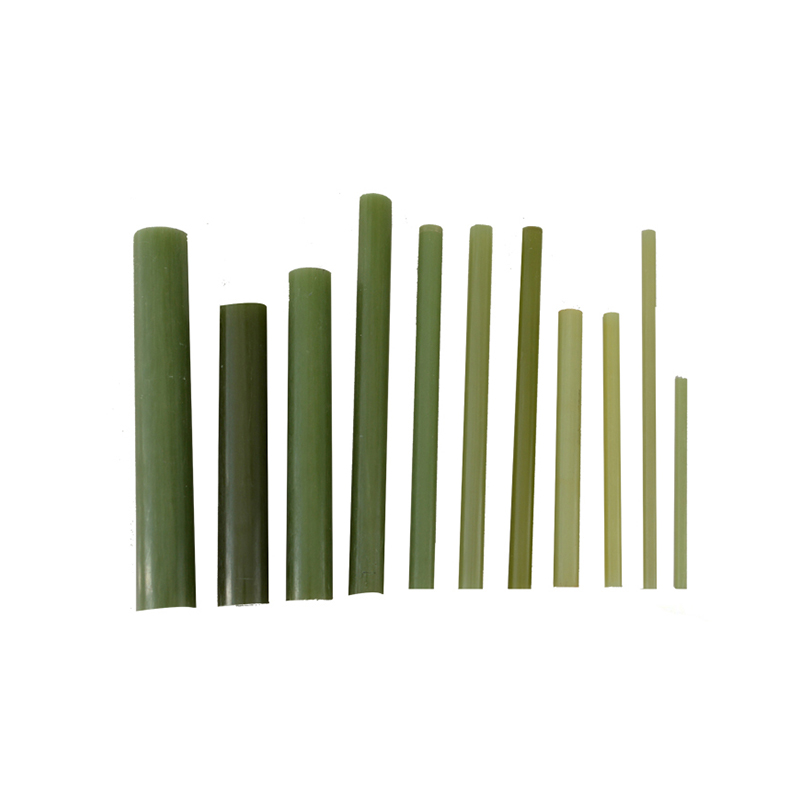
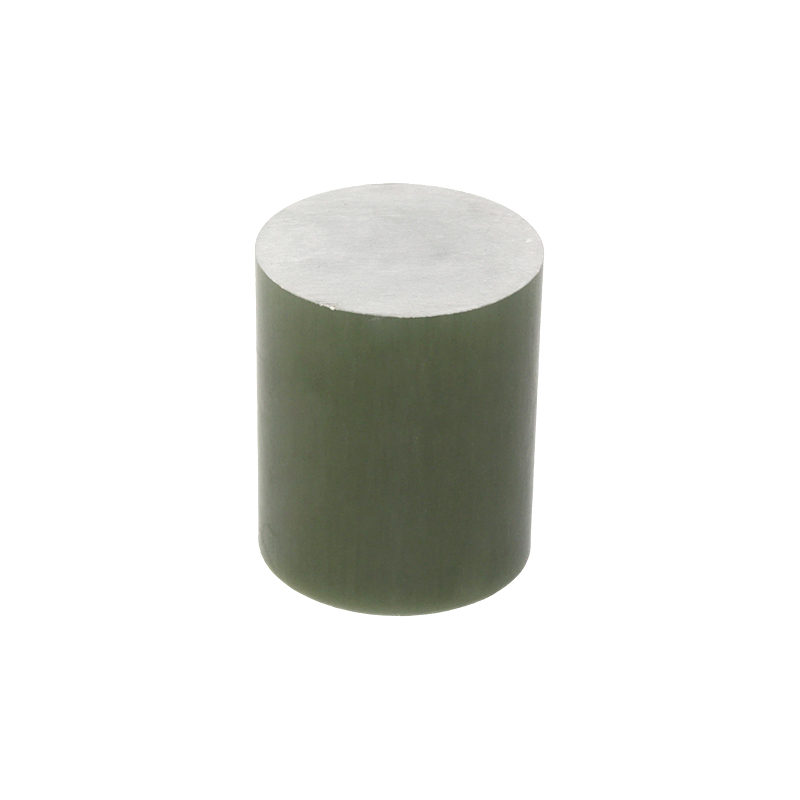 Epoxy Fiberglass Rod for Insulation and Structural ApplicationsPultruded glass-fiber epoxy rod for insulator cores, high-voltage equipment and precision parts; useful when reviewing FRP rod profiles and tolerances.View Product →
If your part is a mould, a panel, a prototype fairing or a repair patch, laying glass cloth over a foam or plywood core is the sensible route. Keep three things under control and the result is predictable: mix ratio (weigh resin and hardener, never judge by eye), fabric choice (woven roving wets out fast but traps more voids than stitched biaxial cloth), and exotherm (a thick stack in a warm workshop can cook the laminate and warp the core).
Vacuum bagging usually pays for itself on anything larger than a small panel, because it removes the excess resin that would otherwise add weight without adding strength.
Where hand lay-up stops being a good idea is anything that must hold line voltage or a long-term tensile load. A cured laminate with 5 % voids behaves very differently from a pultruded rod below 1 %, especially after a few thousand hours of moisture exposure.
For hollow sections, or diameters above roughly 100 mm, a filament wound tube is often a better starting point than a solid rod: it gives comparable axial stiffness at a fraction of the weight, and the winding angle can be tuned to take torsion as well as tension.
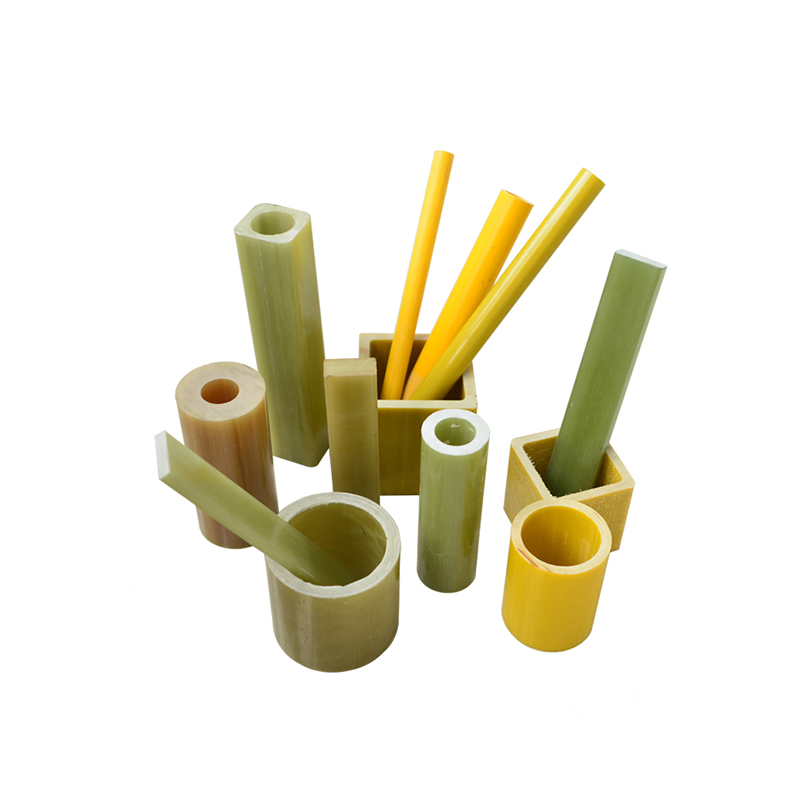
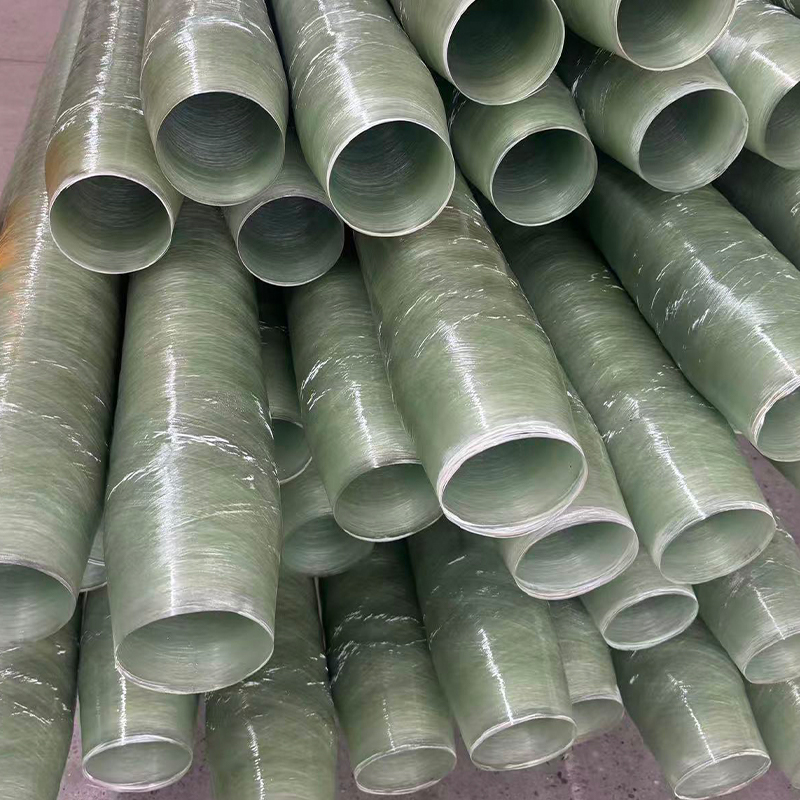 Filament Wound Composite Tube for Insulating Structural ComponentsHollow glass-fiber reinforced resin tube for load-bearing and insulation; consider it for hollow sections or larger diameters requiring stiffness.View Product →
Yes, and it is a common way to stiffen a large panel. Abrade the rod surface, degrease it, and use the same epoxy system as the laminate so the bond line cures as one piece.
For load-bearing or outdoor work, yes. Polyester remains acceptable for low-stress, dry, indoor parts where cost dominates the decision.
Ground rods are normally held to ±0.05-0.10 mm. An unground pultruded rod can vary by ±0.3 mm or more, which is enough to make a crimped fitting unreliable.
If it is exposed, yes. Epoxy yellows and surface fibres chalk under sunlight, so cores are either covered by the insulator housing, painted, or specified with a UV-resistant surface layer.
Ask for the glass transition temperature measured by DSC, and compare it with the highest temperature the part will see in service. A margin of 20 °C or more is a reasonable target for outdoor equipment.
The specification almost writes itself once the load case is clear. Load plus voltage: a pultruded, ground, tested rod with sealed ends and matched fittings. Shape only: a hand lay-up over foam or wood, vacuum bagged if weight matters. Anything in between — hollow sections, large diameters, torsion — is usually a wound tube.
For a composite insulator or an FRP rod project, send us the drawing and the mechanical load. We can suggest a rod diameter and glass content, and quote against IEC 61109, GB/T 19519 or JB/T 8460. You can also review our FRP rod and composite insulator range before the first call.
Contact Us

jszn@vip.163.com
jsthim@188.com

0086 523-88026699
0086 523-88665172



Quick Links
Product Categories
Message Us Now !