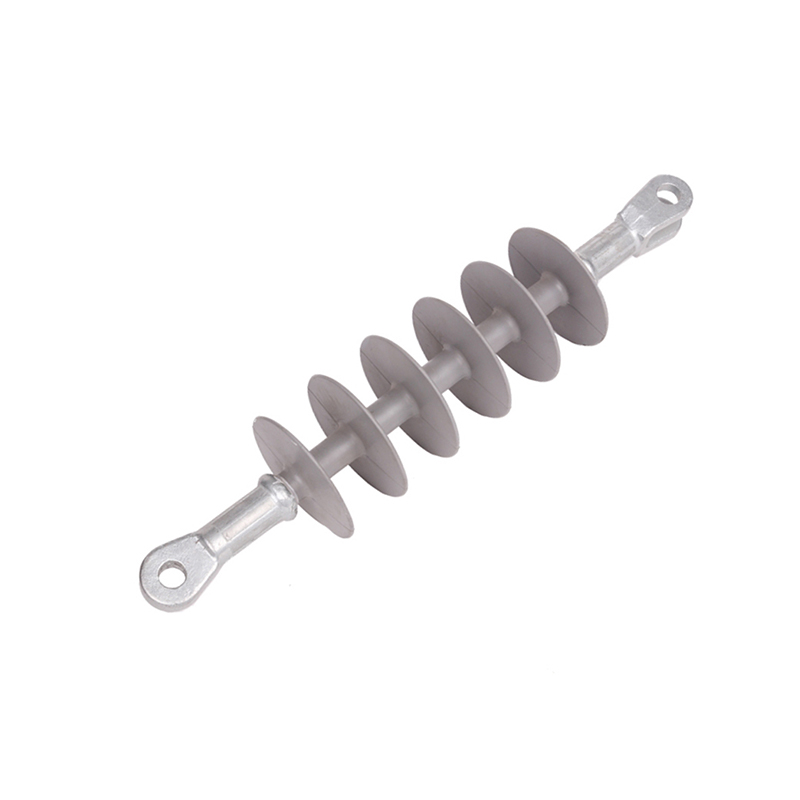
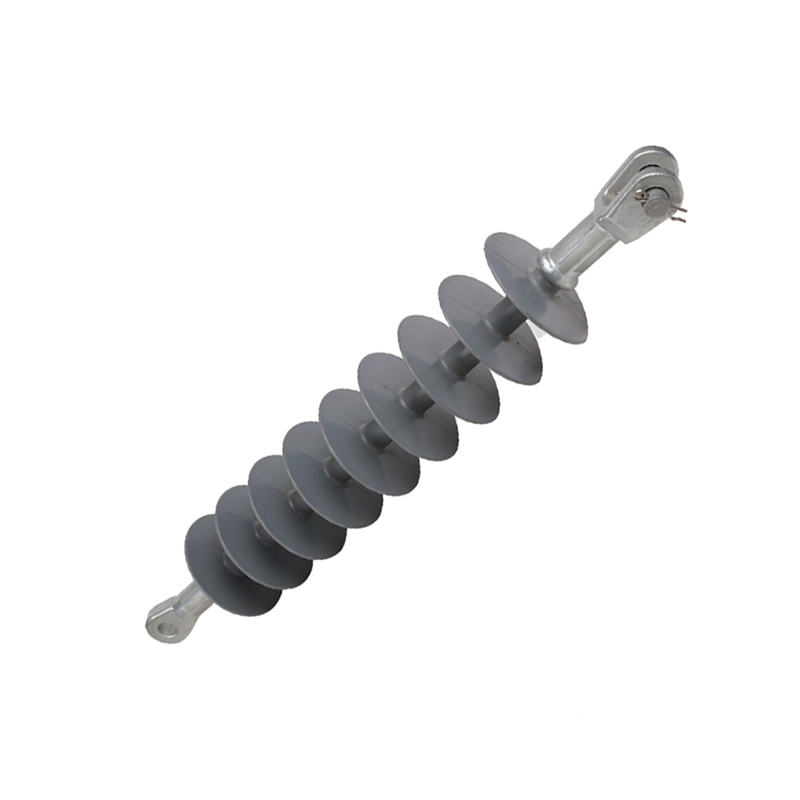
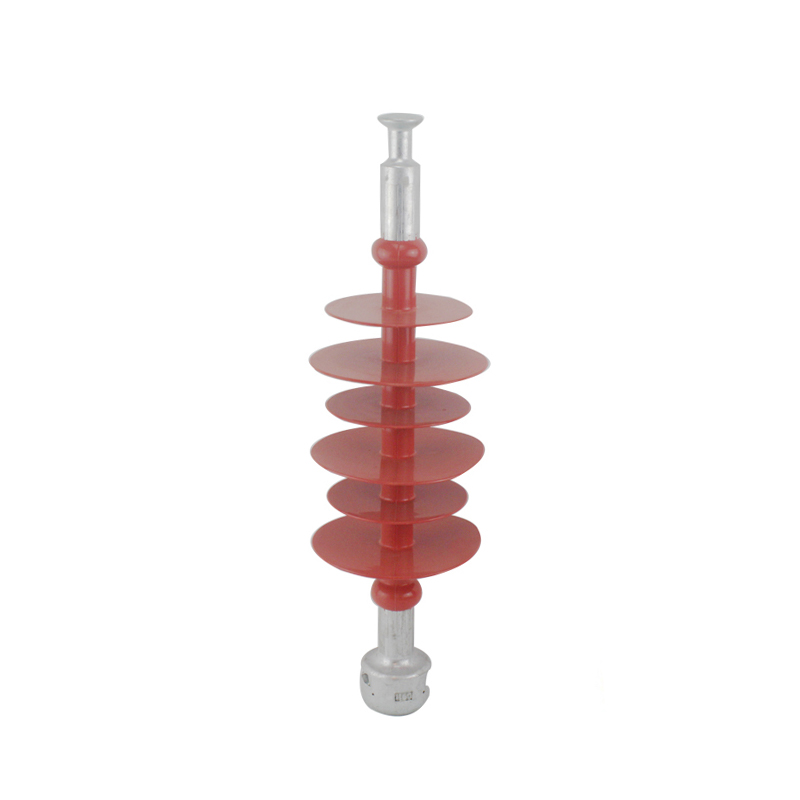
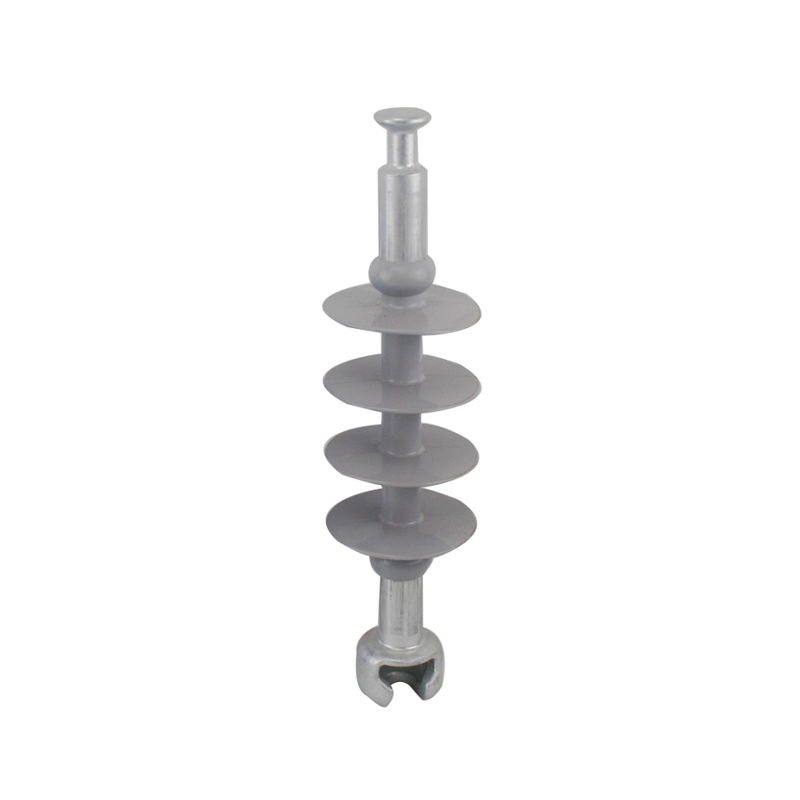
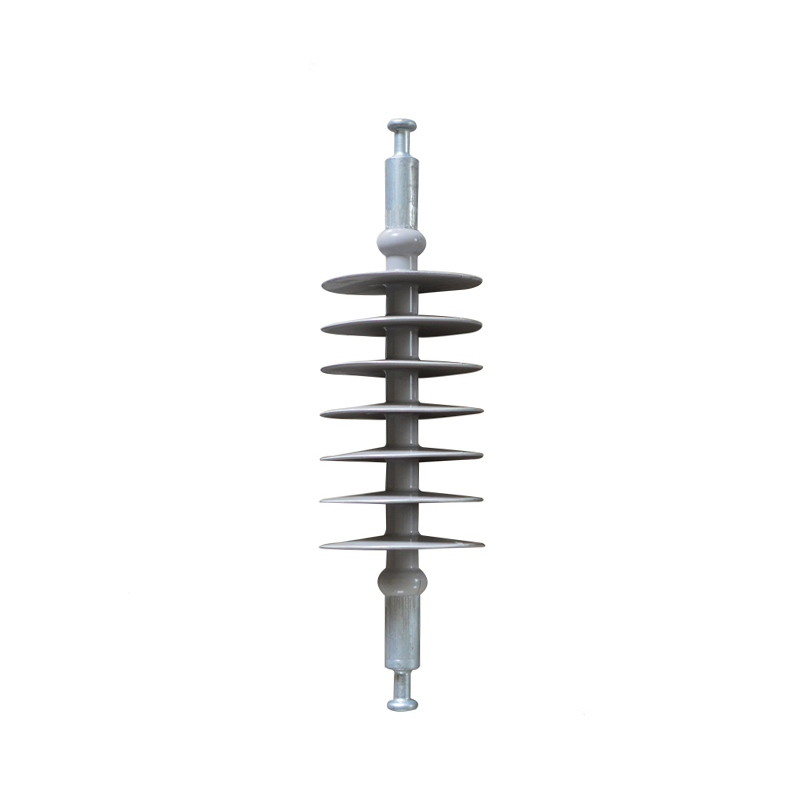
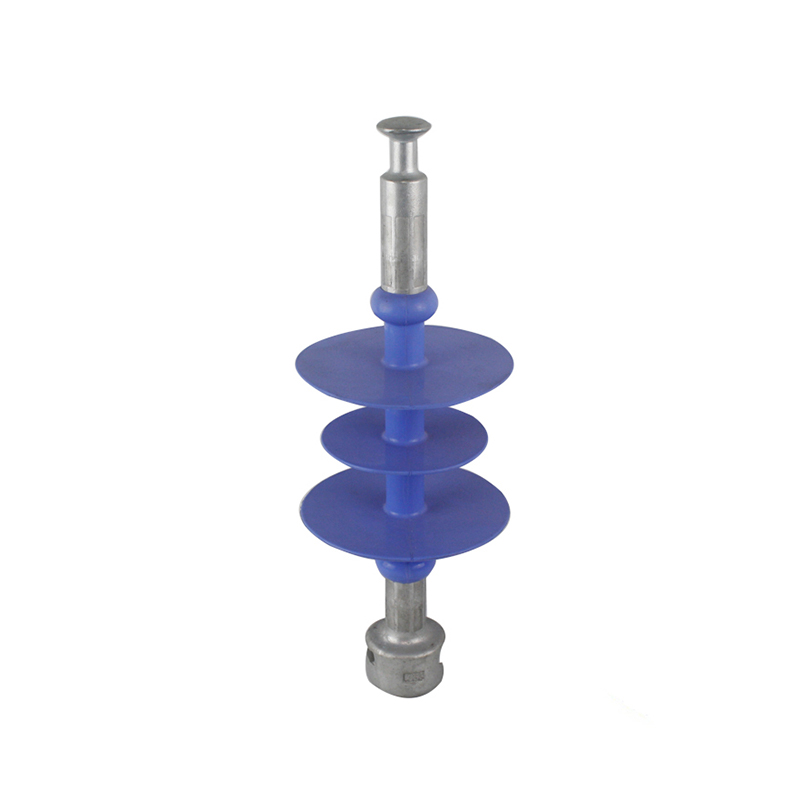
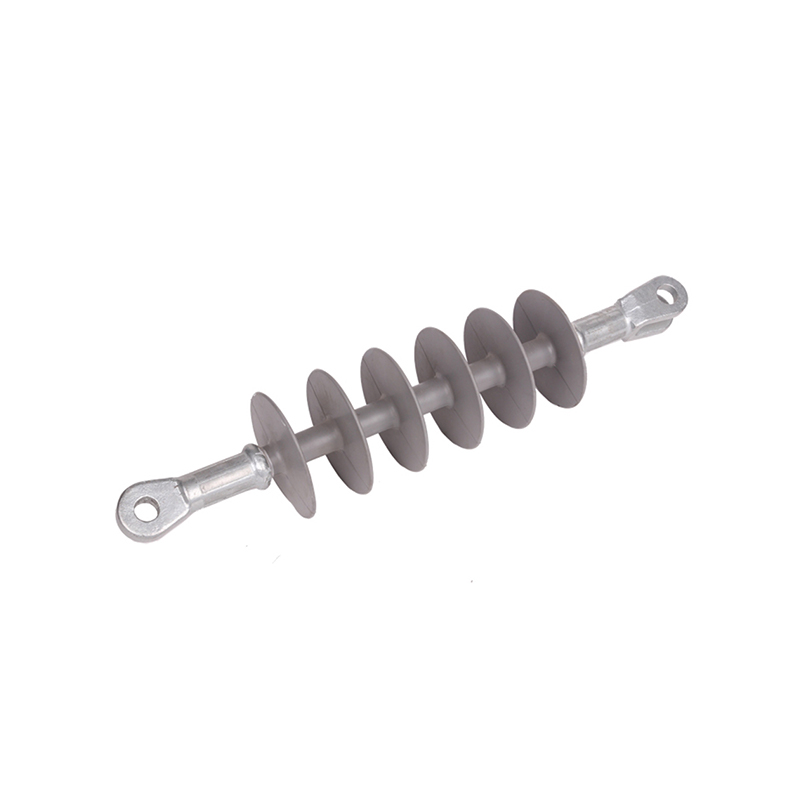
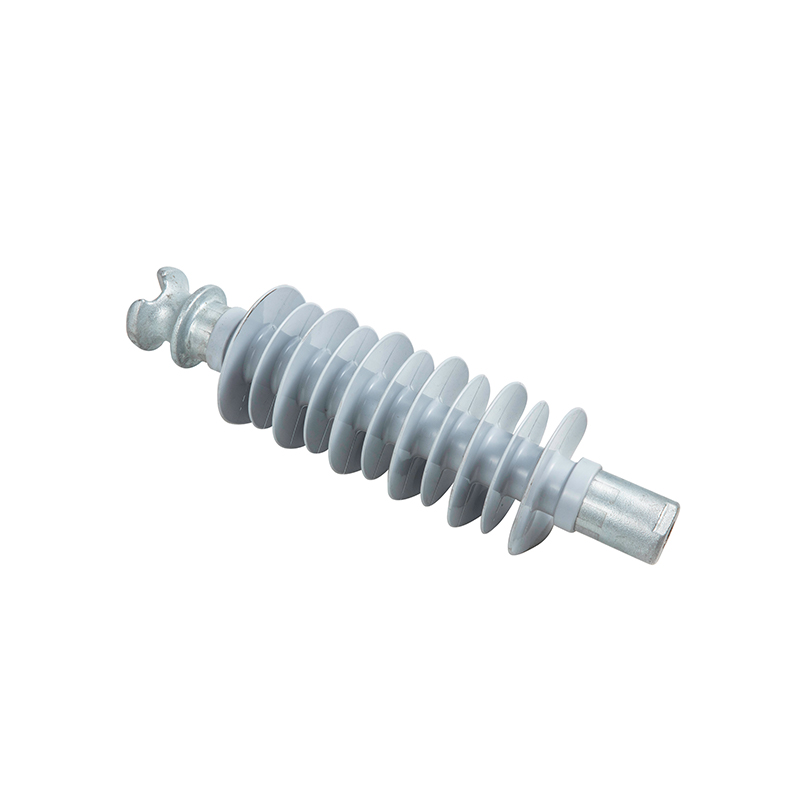
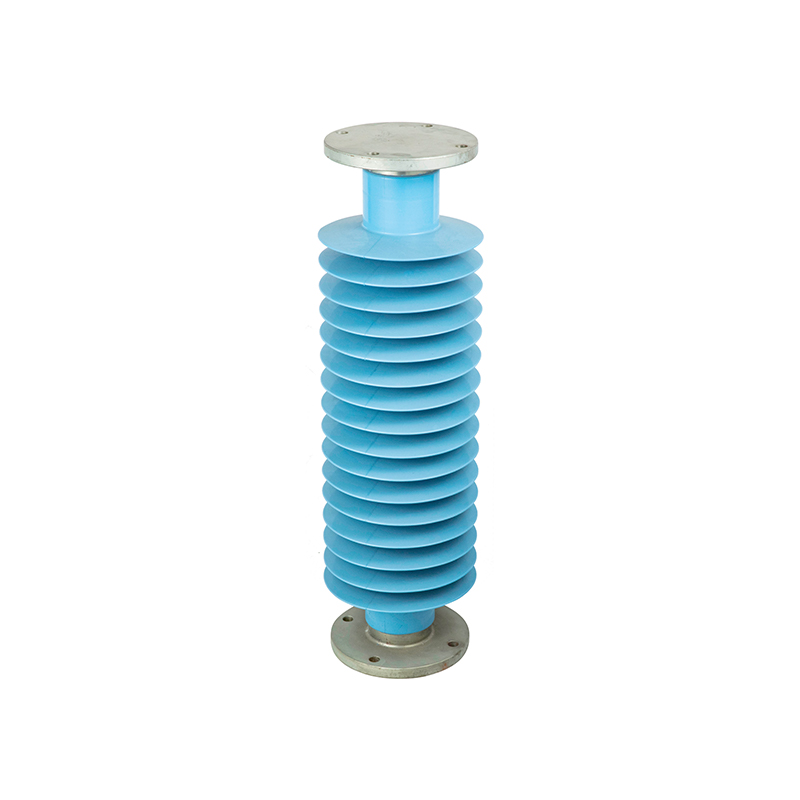
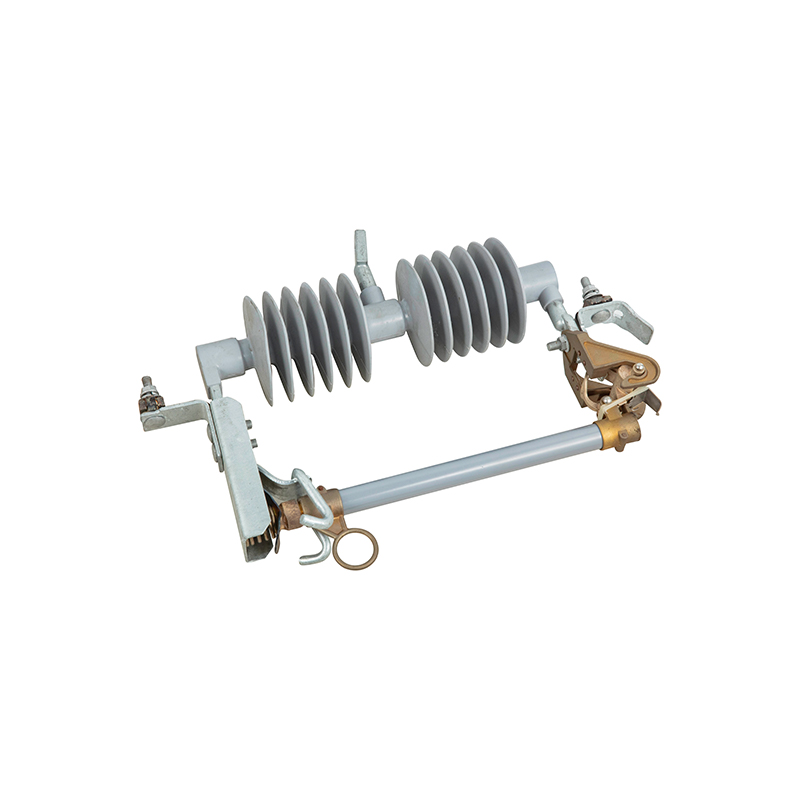
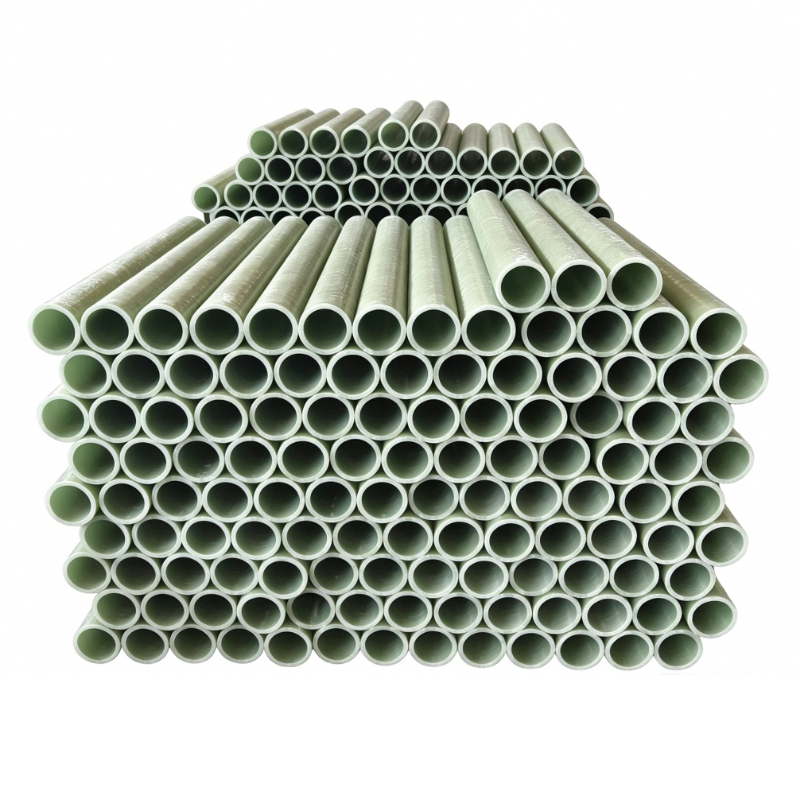
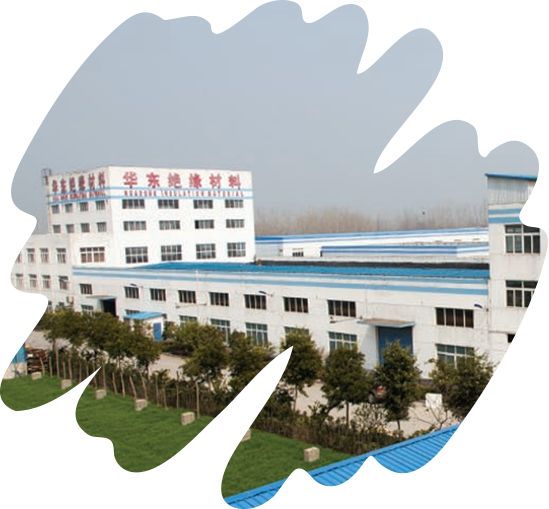
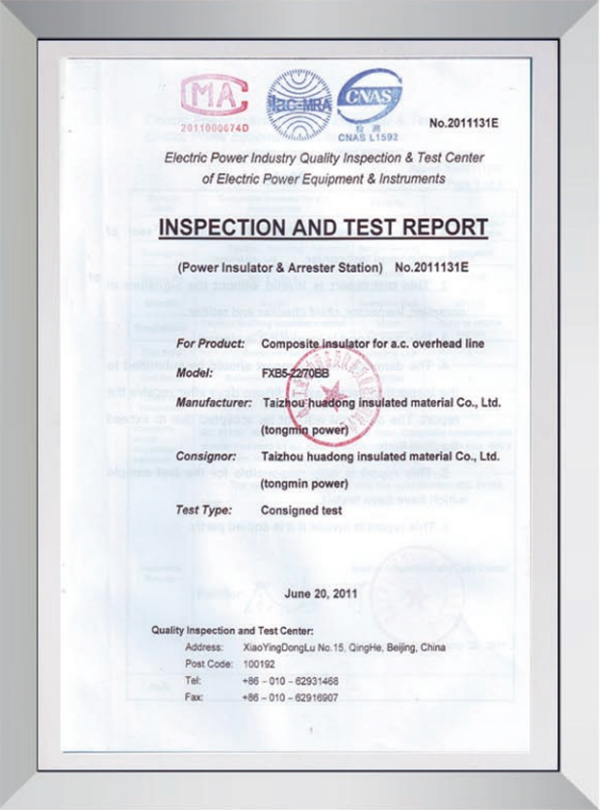
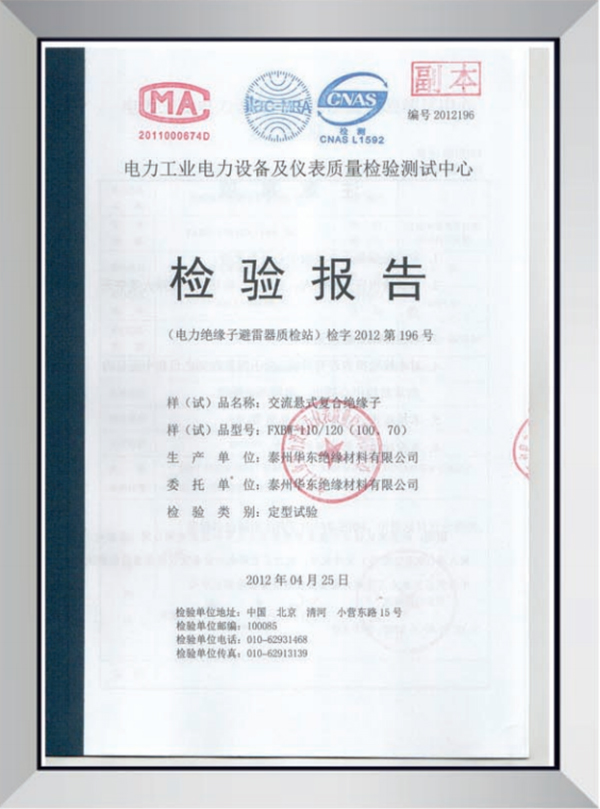
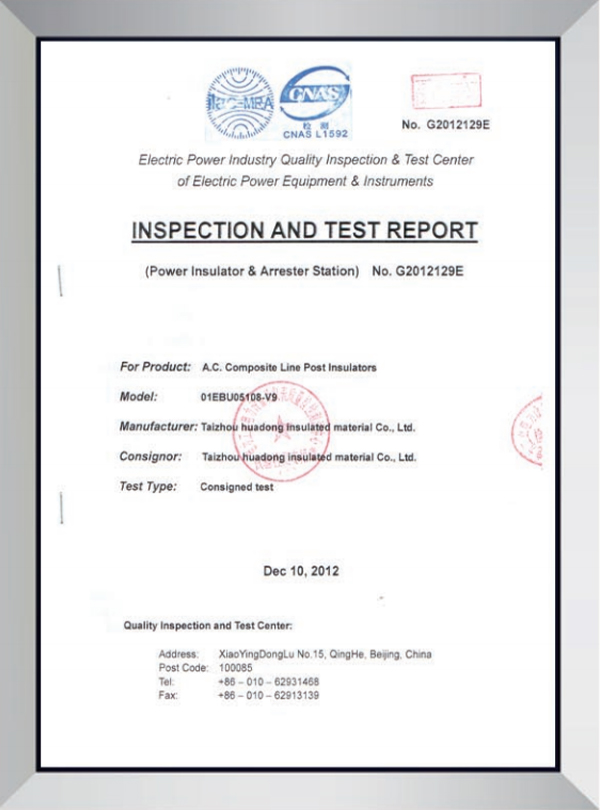
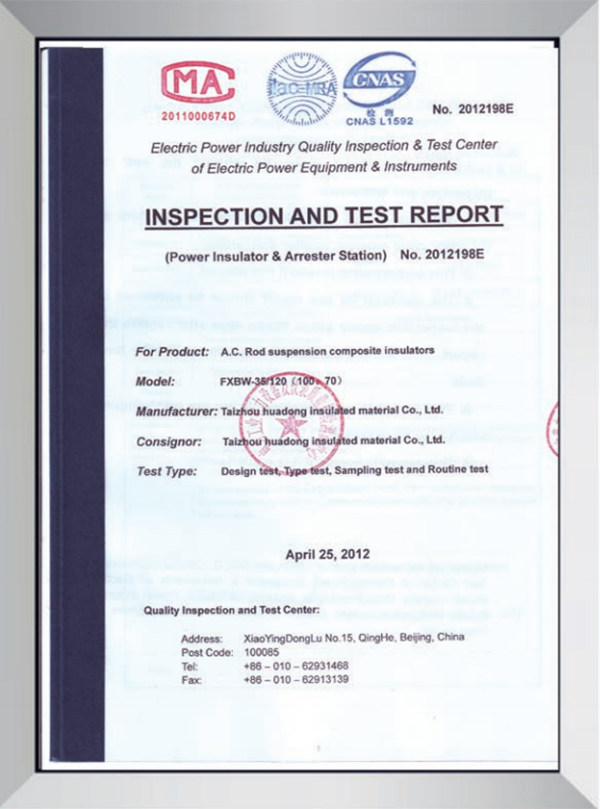
A composite suspension insulator is an insulating component built specifically for high-voltage transmission lines, combining a load-bearing core rod, a silicone rubber umbrella skirt, and metal end hardware into a single long strip or rod-shaped unit. Taizhou HuaDong Insulated Material Co., Ltd manufactures composite suspension insulators covering rated voltages from 10kV up to 500kV and above, supplying the insulation and mechanical support that transmission towers, substations, and railway electrification systems depend on.
Three-Part Structural Design
Every composite suspension insulator is built from three components working together. Understanding how each part contributes to the finished product explains why Taizhou HuaDong Insulated Material Co., Ltd positions this as a core product line alongside its FRP rod and winding tube manufacturing.
1
Core Rod
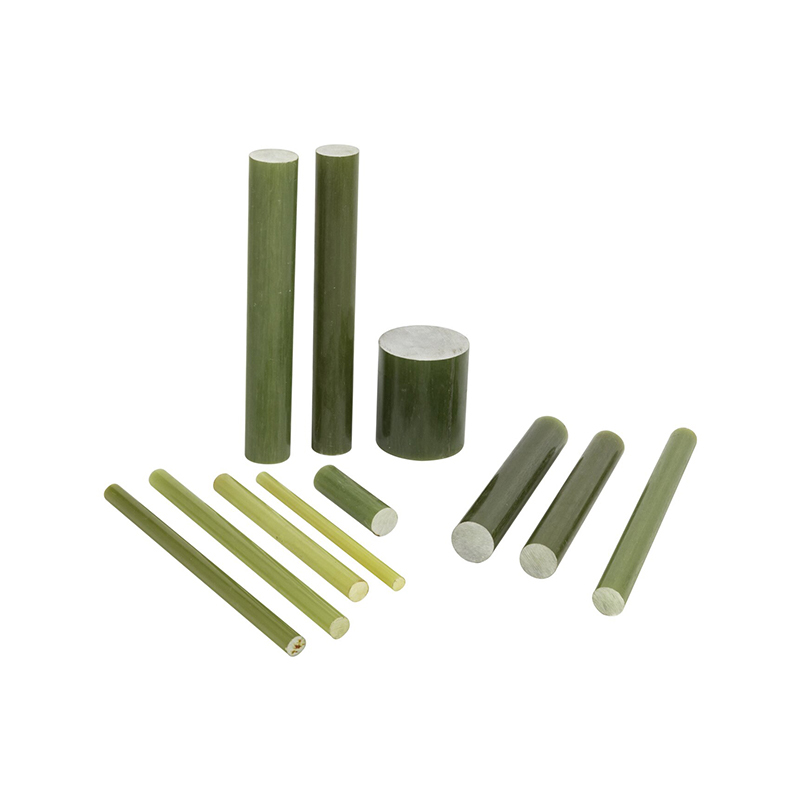
Located at the center of the insulator, the core rod is made of acid-resistant and high-temperature-resistant epoxy glass fiber. As the main load-bearing component, it withstands mechanical tension and delivers high strength, high elastic modulus, corrosion resistance, and aging resistance.
2
Umbrella Skirt
Wrapped around the core rod and usually made of silicone rubber, the umbrella skirt forms multiple ring or disc shaped sheds in three alternating sizes, large, medium, and small. This increases creepage distance and improves anti-fouling flashover performance, while concave and convex surface textures enhance hydrophobicity and drainage.
3
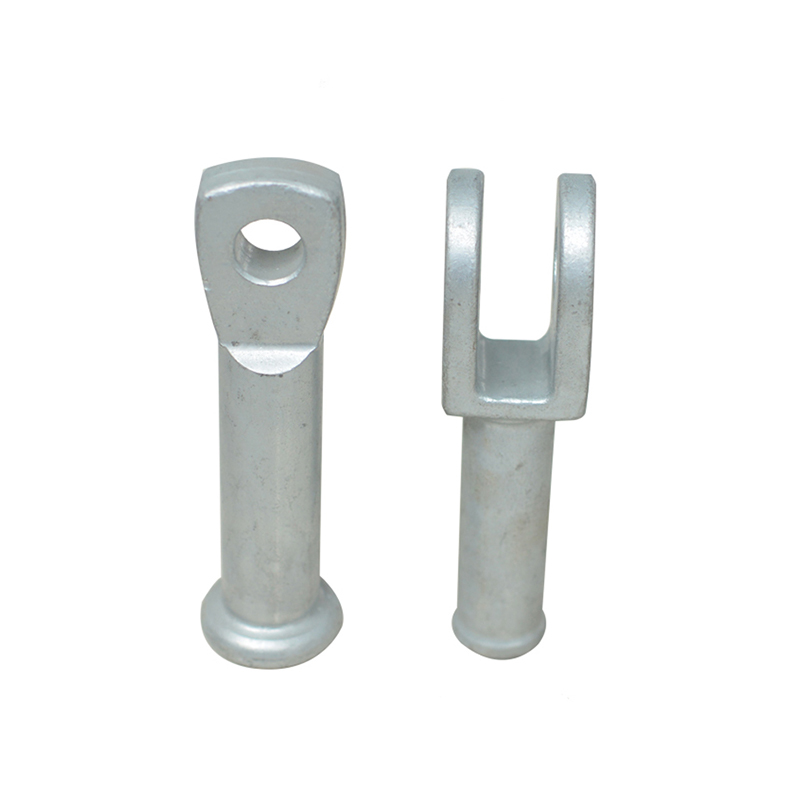
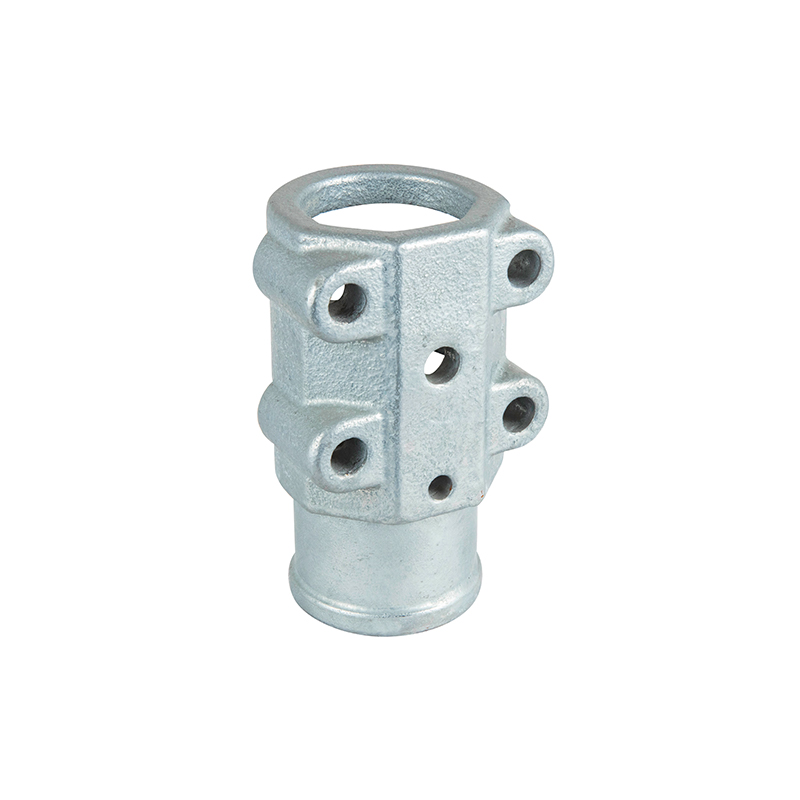
End Hardware
Positioned at both ends, the hardware is usually hot-dip galvanized steel or stainless steel with a rare-earth aluminum surface coating. It connects to the core rod through an advanced crimping process, a step Taizhou HuaDong Insulated Material Co., Ltd applies to keep the connection reliable and prevent disconnection from stress concentration or corrosion.
Installation Methods and String Configurations
The composite suspension insulator is installed using the suspension method, hanging on the suspension clamp through the ball head while the bowl head connects to the tower or cross arm. Multiple insulators can be strung together in series to meet insulation requirements at higher voltage levels, which is how Taizhou HuaDong Insulated Material Co., Ltd supports customers moving from 10kV distribution up toward 500kV transmission projects using the same core product design.
Vertical Strings V-Shaped Strings Tensile Strings
Suitable for dirty areas, high mechanical tensile loads, long spans, and compact line layouts.
Performance Advantages Proven by Testing
Composite suspension insulators from Taizhou HuaDong Insulated Material Co., Ltd are built for light weight, high mechanical strength, and long service life, with the silicone rubber shed design giving the product a measurable edge in polluted environments.
1/7 to 1/10
Weight compared to porcelain insulators of the same type
5,000 hours
Artificial aging test duration passed, alongside high-altitude testing
Because the weight is only one-seventh to one-tenth of a comparable porcelain insulator, transport and installation are easier on site. The product also delivers high bending failure load and high tensile strength while keeping the structure simple and easy to maintain. Silicone rubber sheds repel moisture and form water droplets on the surface rather than a continuous water film, which is the key mechanism behind the insulator's anti-pollution flashover performance and its ability to prevent arc discharge even when the surface is contaminated.
Selected Technical Specifications
Ratings vary by model. The table below lists selected models across the voltage range Taizhou HuaDong Insulated Material Co., Ltd manufactures, from 10kV distribution class up to 500kV transmission class.
Type
Rated Voltage (kV)
Rated Mechanical Tensile Load (kN)
Structure Height (mm)
Creepage Distance (mm)
FXBW-10/70
10
70
400±15
600
FXBW3-35/70
35
70
610±15
1025
FXBW3-66/70
66
70
870±15
2100
FXBW3-110/70
110
70
1180±15
3260
FXBW3-220/100
220
100
2150±30
6300
FXBW3-330/100(120)
330
100(120)
2930±40
9075
FXBW-500/300
500
300
4450±50
14750
Application Scenarios
Composite suspension insulators are suspended from transmission towers to support and insulate conductors across high-voltage and ultra-high-voltage lines, and the same design principles apply to pillar-type composite insulators supporting busbars, circuit breakers, and isolating switches in substations. In railway electrification systems, railway insulators are used in catenary systems to keep power transmission safe. Founded in October 1994 as Yangzhou Dajieshi FRP Products Co., Ltd and now based in Jiangyan district, Taizhou city, Jiangsu province, Taizhou HuaDong Insulated Material Co., Ltd supplies these insulators together with its FRP rod, winding tube, and metal end fitting product lines to customers across North and South America, Africa, Asia, and Europe, including the USA, Kenya, Korea, India, Vietnam, Iran, Russia, Germany, and Romania.
- High-voltage and ultra-high-voltage transmission lines, 10kV to 500kV and above
- Substation equipment support, including busbars, circuit breakers, and isolating switches
- Railway electrification catenary systems
- High-altitude areas
- Heavily polluted and high-humidity coastal salt spray environments
- Severe cold and freezing rain areas
Frequently Asked Questions
01How does a composite suspension insulator compare to a porcelain insulator
A composite suspension insulator weighs only one-seventh to one-tenth of a same-type porcelain insulator, which makes it easier to transport and install while still meeting mechanical strength requirements.
02What voltage range do composite suspension insulators cover
They are suitable for high-voltage and ultra-high-voltage transmission lines covering rated voltages from 10kV up to 500kV and above.
03How is a composite suspension insulator installed
It is installed using the suspension method, hanging on the suspension clamp through the ball head while the bowl head connects to the tower or cross arm.
04What are the three main parts of the insulator
It consists of a core rod made of epoxy glass fiber, a silicone rubber umbrella skirt, and metal end hardware crimped onto the core rod at both ends.
05How does the umbrella skirt help prevent pollution flashover
The silicone rubber sheds repel moisture and form water droplets instead of a continuous water film, which reduces the risk of arc discharge even when the surface is contaminated.
06What testing has the composite suspension insulator passed
It has passed 5,000 hours of artificial aging tests along with high-altitude tests, supporting its long-term reliability in service.
07Can multiple insulators be connected for higher voltage lines
Yes, multiple insulators can be used in series to meet the insulation requirements of higher voltage levels.
08What string configurations are available for installation
The insulator can be applied in vertical strings, V-shaped strings, and tensile strings, depending on the line layout and mechanical load.