Content
A composite insulator can pass a routine visual check and still create trouble later if its core rod has absorbed moisture, bonded poorly, or been machined outside tolerance. That is why buyers should treat glass fiber-reinforced core rods as an engineered interface, not as a commodity pultrusion.
The short answer: specify the rod by the mechanical load, electrical stress, end-fitting method, and environmental exposure of the finished insulator. Then verify fiber and resin construction, diameter and straightness, surface condition, and inspection records. Price per meter matters, but a lower-cost rod that forces extra sorting or premature field failures is not a saving.
Taizhou HuaDong Insulated Material Co., Ltd. has produced FRP rods and related insulation components since 1994. Its core rod range sits between base materials and finished composite insulators, so the practical questions below reflect both manufacturing and end-use concerns.
In a composite insulator, the core rod carries mechanical tension or bending and provides the internal insulation path. The shed material protects the outside, and metal end fittings transfer load into the rod. If the rod-to-fitting interface is wrong, or if the rod surface is contaminated before bonding, the weak point may not appear until after thermal cycling, vibration, or moisture ingress.
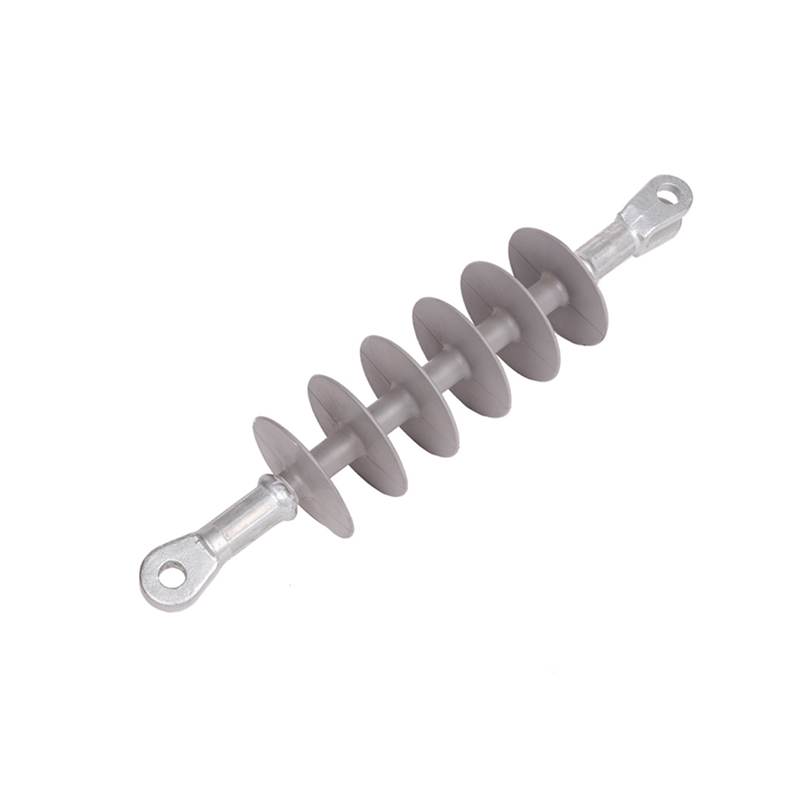
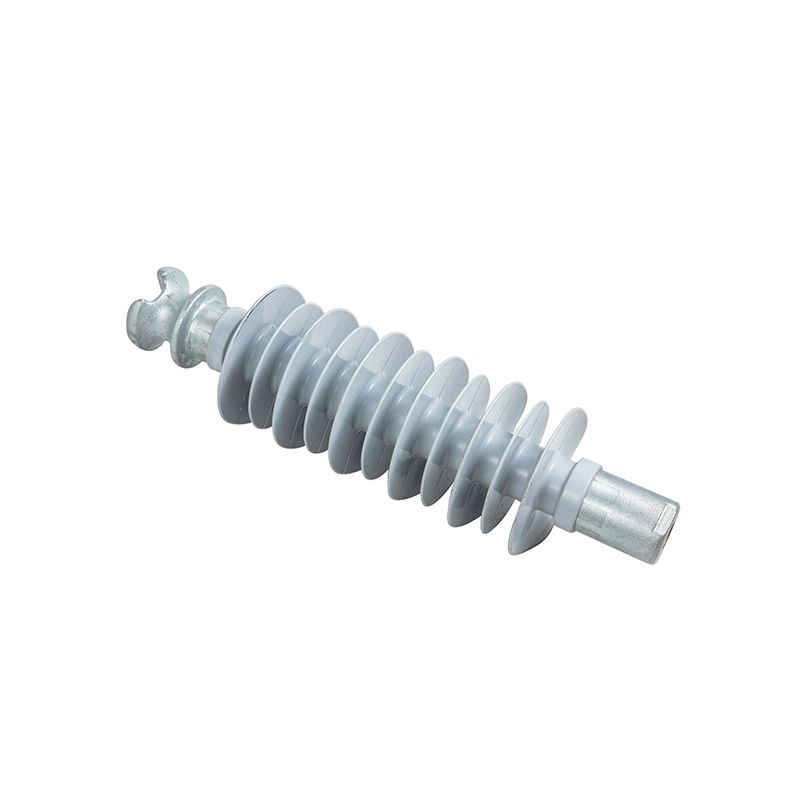
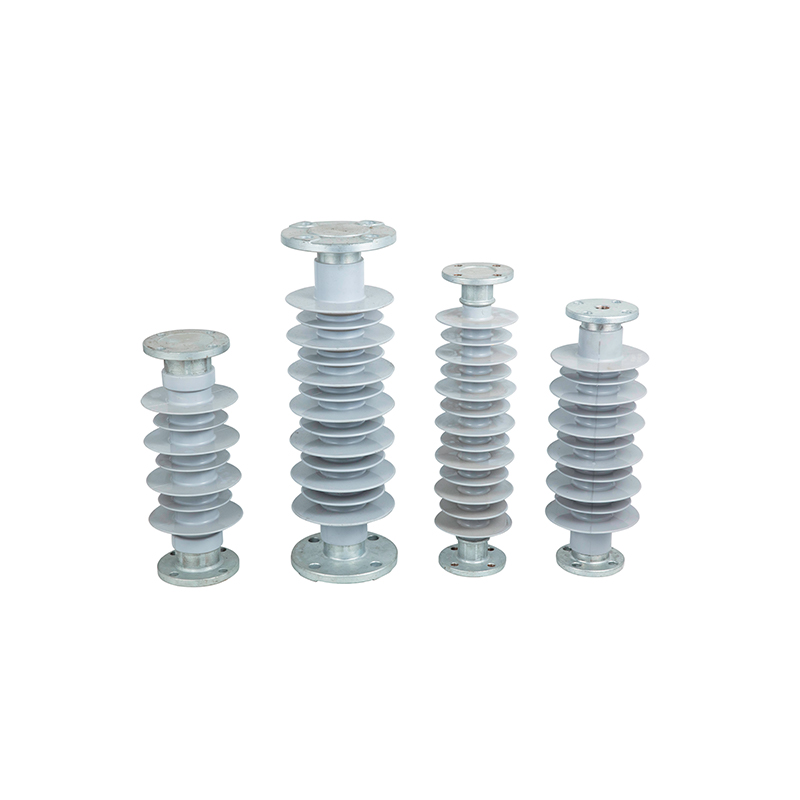
For that reason, a core rod specification should name the finished application: suspension insulator, post insulator, pin insulator, railway insulator, or a cutout fuse component. A rod intended for a suspension string sees a different load direction and fitting compression than a post insulator core. Railway insulators add vibration, pollution, and maintenance constraints.
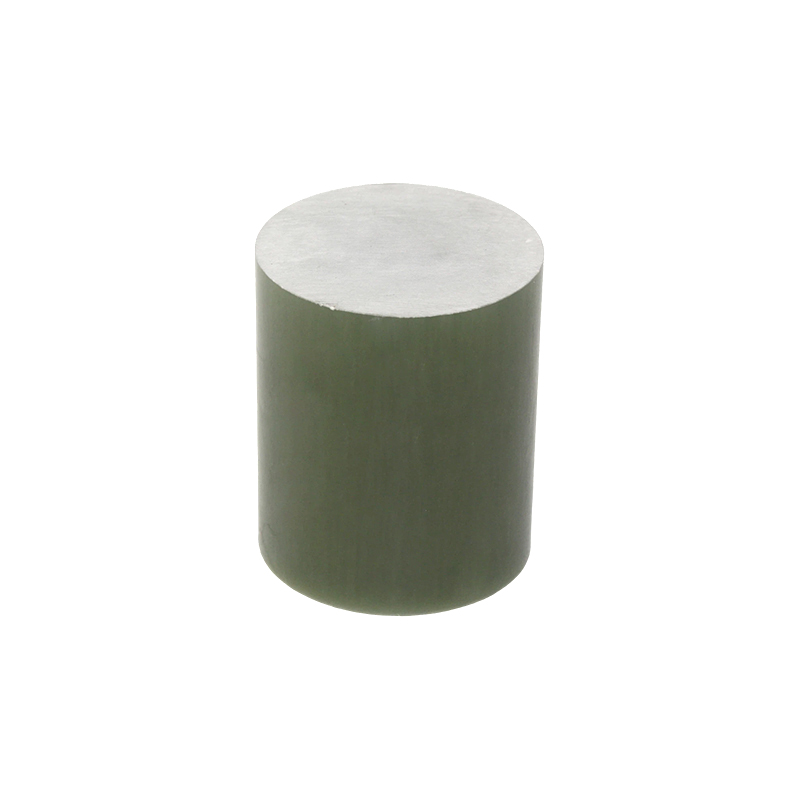 Composite Insulator Core Rod for Mechanical Load SupportGlass-fiber reinforced resin rod for composite insulator cores; review resin system, dimensions, and end-fitting design for the intended application.View Product →
“Glass fiber-reinforced” describes the reinforcement, but it does not define the resin, fiber type, cure profile, or surface finish. Two rods with the same outside diameter can behave differently if one uses a general-purpose resin and the other uses an epoxy system formulated for electrical insulation and adhesion.
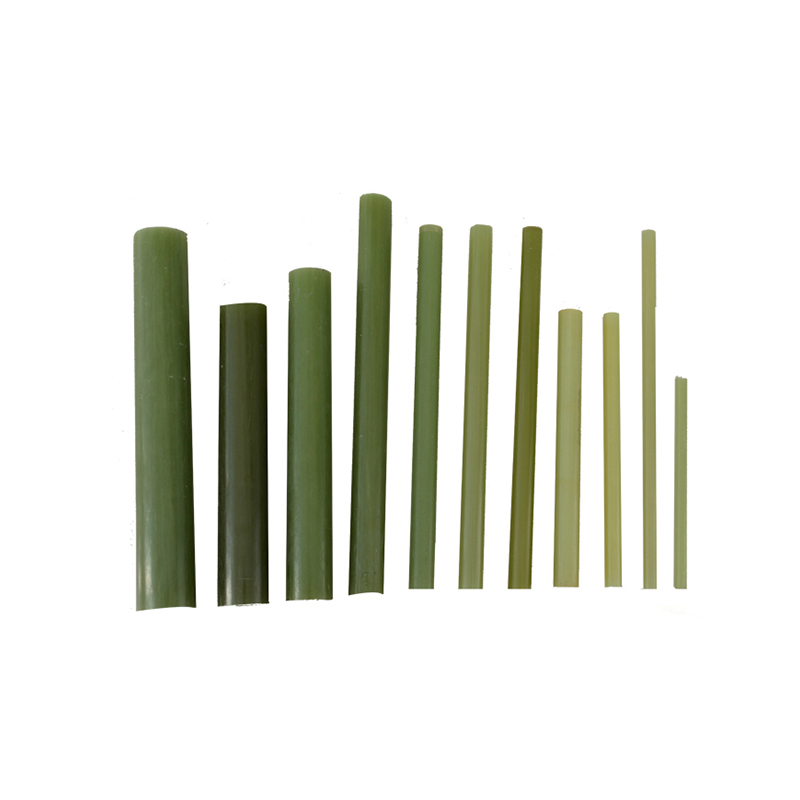
Most core rods for composite insulators use aligned glass fibers in an epoxy matrix, produced by pultrusion. The fiber provides tensile strength; the resin binds the fibers, excludes moisture, and supports the electrical insulation. ECR glass or E-glass may be used depending on the required electrical and environmental performance. The buyer should ask for the actual fiber and resin designation, not just “fiberglass.”
Epoxy glass fiber cores are common where mechanical strength and dielectric performance both matter. The resin must wet the fibers thoroughly, cure evenly, and maintain adhesion under load. Voids, dry fibers, resin-rich pockets, and internal cracks are more serious than surface marks because they can start a path for partial discharge or moisture.
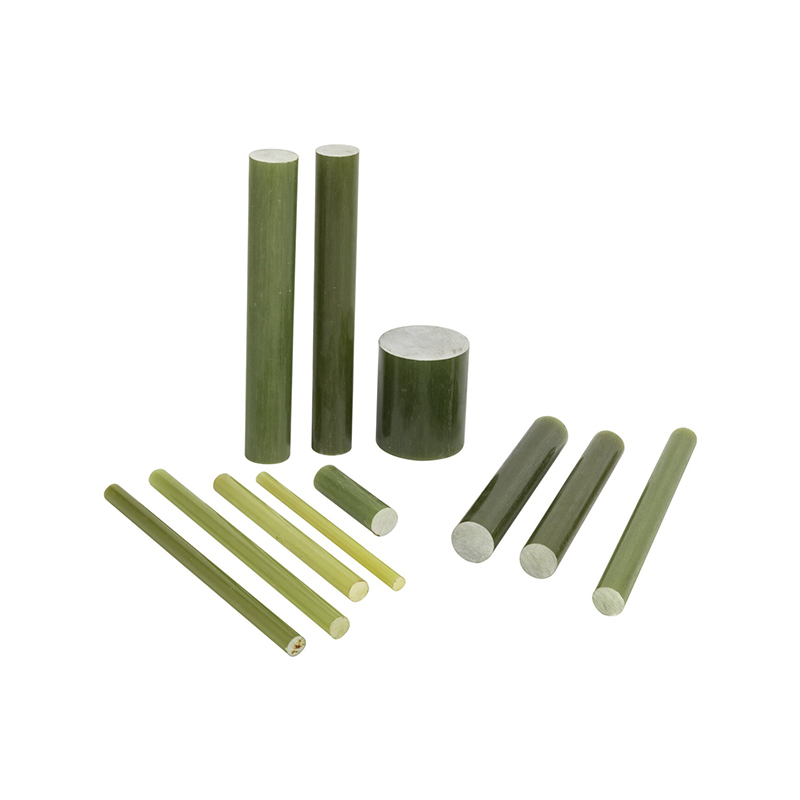
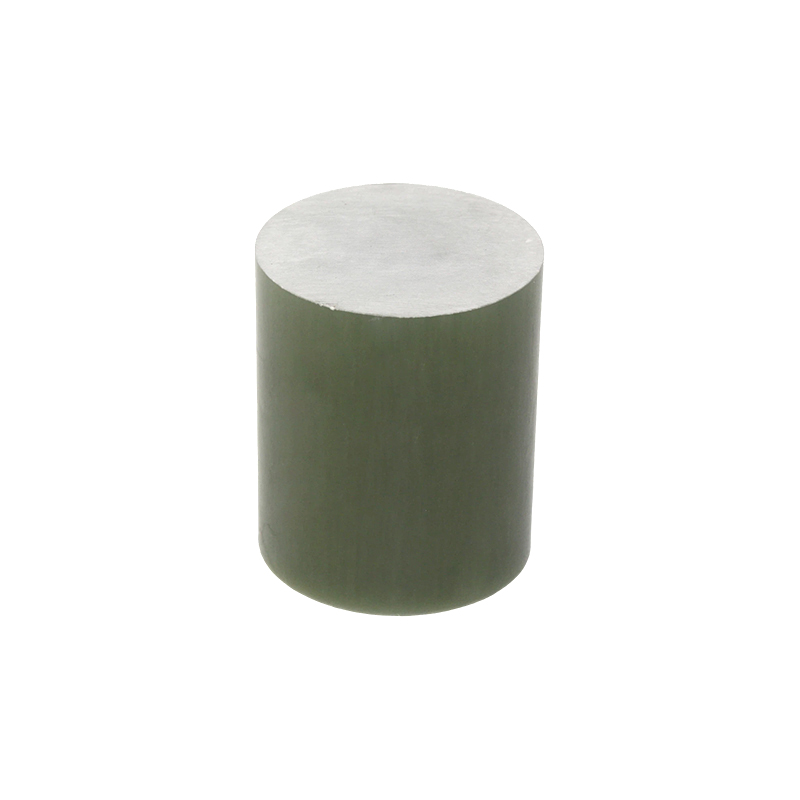 Epoxy Fiberglass Rod for Insulators and Electrical EquipmentPultruded glass-fiber epoxy rod with high fiber content; check diameter, straightness, and cut-length tolerances for fitting and molding requirements.View Product →
Diameter, ovality, straightness, and cut length are not cosmetic details. A rod that is oversized may not enter the fitting or shed molding; an undersized rod may reduce interference and bond strength. Bent rods can cause eccentric loading and uneven shed thickness. For cut-to-length supply, confirm whether the tolerance applies to the rod body, the cut end, or both.
Surface finish also deserves a written requirement. A smooth, clean surface helps bonding to silicone rubber and end fittings. Contamination from mold release, dust, or handling oils can create weak bonds that pass a visual inspection but fail after water immersion or mechanical cycling.
Use a specification table rather than a single “diameter” line. The useful questions are what must be measured, how often, and what happens when a lot falls outside the limit. The table below is a practical starting point for a purchase specification; final values should come from the insulator design and the applicable standard.
| Specification point | Why it matters | What to request |
|---|---|---|
| Fiber and resin system | Sets mechanical, electrical, and aging behavior | Named materials, supplier data, and change-control notice |
| Diameter and ovality | Controls fitting fit, bonding, and shed concentricity | Nominal size, tolerance band, and measurement method |
| Straightness | Affects assembly alignment and load distribution | Maximum deviation over a stated length |
| Surface condition | Influences adhesion to sheds and fittings | Cleaning method, allowed marks, and handling protection |
| Mechanical properties | Confirms the rod can carry design loads | Test method, sample size, and acceptance values |
| Electrical properties | Supports insulation and partial-discharge performance | Test conditions and limits tied to the finished insulator |
| Traceability | Limits the scope of a recall or process problem | Batch marking, records, and certificate of conformity |
Standards should be named in the purchase order, not left to memory. For composite insulators and core rods, relevant references can include IEC 61109, GB/T 19519, and JB/T 8460. The exact test set depends on the product and market, so confirm the edition and acceptance criteria with the insulator designer before quoting. If you are still comparing rod profiles for a new line, this guide to choosing FRP rod profiles can help frame the questions.
A supplier’s quality system should be visible in the inspection plan. At Taizhou HuaDong, production is run under an ISO 9001 quality management system, first certified in 2004. Inspection follows a three-party approach: self-inspection, mutual inspection, and specialist inspection, with quality control holding a veto over release. That structure is useful only if the records show what was checked, by whom, and against which limit.
For core rods, ask for evidence of incoming raw material control, resin mix and cure monitoring, in-process diameter and straightness checks, and final mechanical or electrical tests as applicable. Batch identification matters. If a problem appears in one shipment, the buyer should be able to trace the fiber lot, resin lot, pultrusion run, and test results without guesswork.
Do not accept a certificate as a substitute for the inspection plan. The certificate says the system exists; the plan and records show whether the rod in the box was actually controlled. A practical audit question is simple: “Show me the last three nonconformances on this product line and how each was closed.”
Core rods are rarely bought in isolation. They connect to metal end fittings, silicone rubber sheds, and sometimes winding tubes or other composite profiles. The purchasing decision should therefore include the fitting bore, bonding process, surface preparation, and assembly tolerance. A rod that meets its own diameter tolerance can still fail assembly if the fitting bore is at the opposite limit.
For finished composite insulators, the same logic applies across product types. Pin insulators, post insulators, suspension insulators, and railway insulators use different mechanical layouts and pollution requirements. Cutout fuses at 24 kV and 35 kV add a voltage-class dimension. Buyers should avoid copying a rod specification from one product to another without checking load direction, creepage, and end-fitting design.
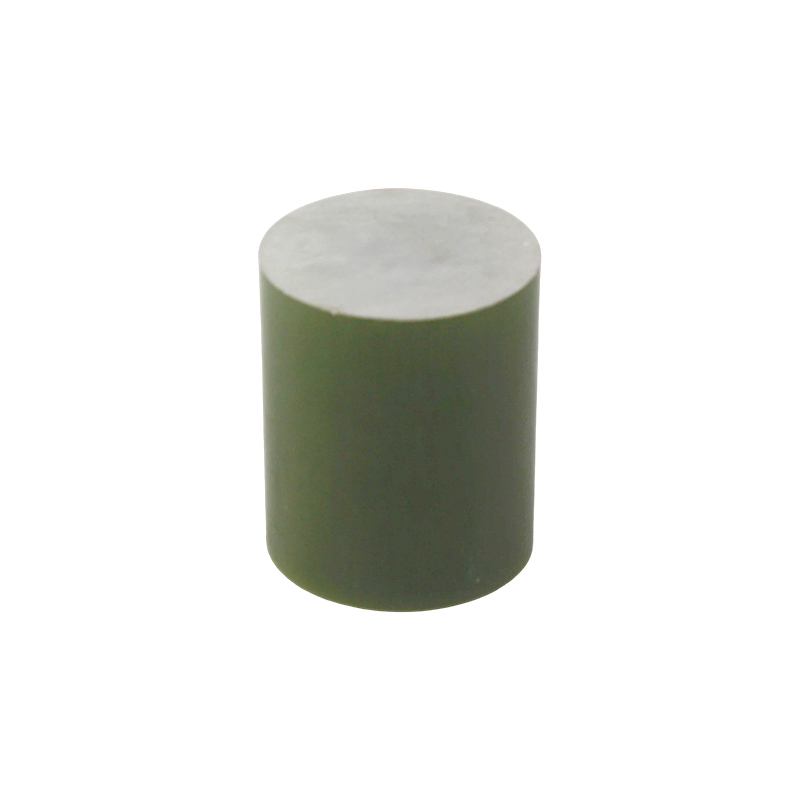 Fiberglass Rod for Structural and Insulating ApplicationsFRP rod in epoxy or polyester resin for structural, electrical, and chemical uses; choose acceptance criteria according to the specific application.View Product →
Fiberglass rods can also serve non-insulator structural or insulating roles, but the acceptance criteria should change with the application. A rod used in a general composite part may not need the same partial-discharge control as a rod used inside a high-voltage insulator. Writing one “standard” specification for every use often creates either unnecessary cost or hidden risk.
Not exactly. FRP rod is a broad term for fiber-reinforced polymer rod. A glass fiber-reinforced core rod for a composite insulator is a narrower product: the fiber, resin, surface, tolerances, and tests are selected for electrical insulation and adhesion to end fittings and sheds.
That depends on the electrical and environmental requirements of the finished insulator. Ask the rod supplier and insulator designer to justify the choice against moisture, pollution, and mechanical load. Do not change glass type without reviewing the test plan and end-fitting bond.
Buying by diameter and price per meter alone. Diameter is easy to compare; resin system, cure, surface cleanliness, straightness, traceability, and inspection discipline are where real differences appear.
Approve samples against a written specification that includes dimensions, surface condition, mechanical and electrical tests, and batch records. Keep the approved sample and the test report; a visual sample alone does not define the rod.
Contact Us

jszn@vip.163.com
jsthim@188.com

0086 523-88026699
0086 523-88665172



Quick Links
Product Categories
Message Us Now !