Content
An overhead railway line is only as reliable as its least visible component. The railway insulator, often taken for granted, is the hard-working barrier that keeps high-voltage current in the catenary wire and away from masts, bridges and maintenance crews. Choosing the wrong insulator can lead to flashovers, power outages and costly track downtime. This article explains what railway insulators do, what they are made of, how to select them, and how to keep them performing for decades.
A railway insulator is a device used to electrically isolate live parts of the traction overhead line from grounded structures. In a typical 25 kV AC electrified railway, the contact wire and its supporting hardware are at high potential. Without an insulator, the current would flow through the mast, the foundation and the earth, creating a serious safety hazard and disrupting traction return circuits.
The term “railway insulator” covers several products. Some insulators are installed between the rail and the fastening system to prevent unwanted current flow in signal circuits; others are mounted on masts, portal frames, or cantilevers to support the catenary wire. This guide focuses on composite insulators used in overhead catenary systems, which are the main type supplied by manufacturers like THIIM for railway electrification projects. In rail fastening systems, an insulator also shields the ductile iron shoulder from abrasion caused by direct contact with the rail.
An insulator failure does not just trip a circuit breaker. It can stop an entire railway line.
Railway operators also rely on insulators to extend the service interval between maintenance sessions. A robust composite insulator can last 20 years or more when specified correctly.
Composite railway insulators fall into three broad structural groups. Each group is suited to a different mechanical and electrical duty.
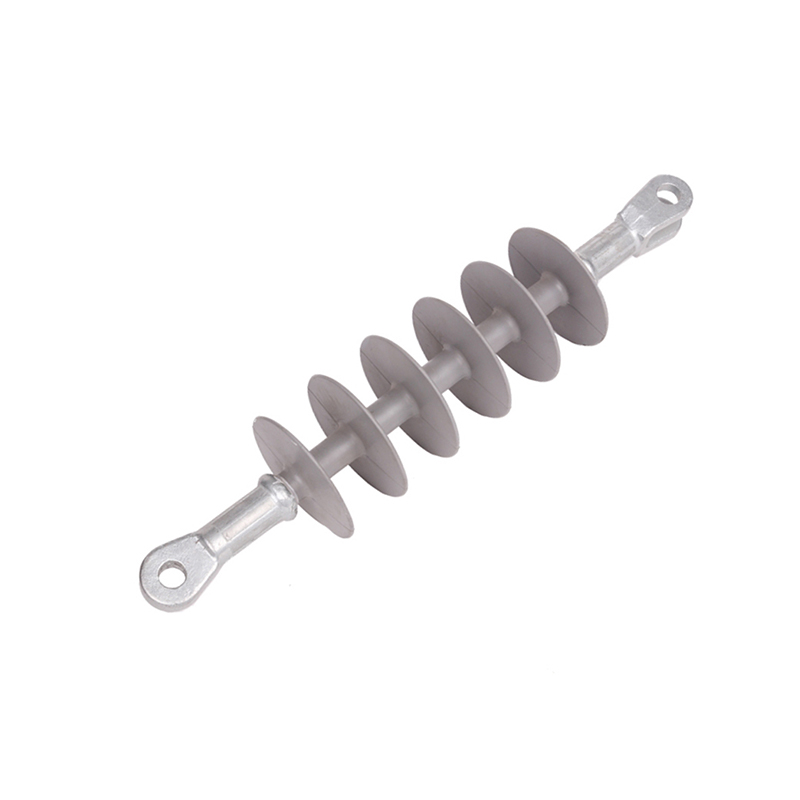
Suspension insulators are used in vertical or near-vertical tension strings. They support the weight of the catenary system and smooth out the variations caused by passing pantographs. For high-speed lines, a well-designed suspension insulator must also resist vibration and dynamic loads.
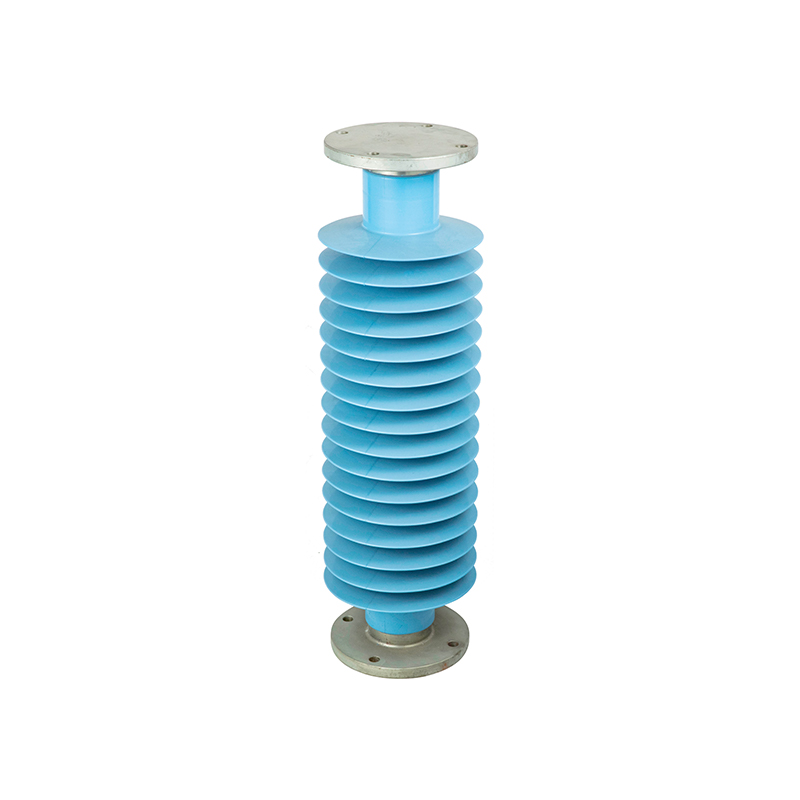
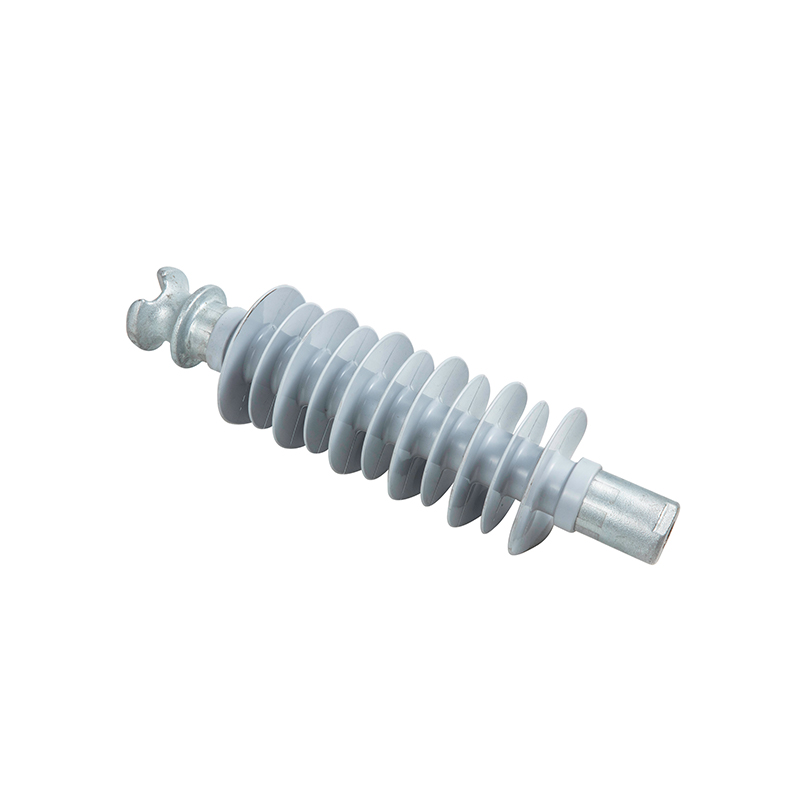
 Composite Pin Insulator for Railway Catenary SystemsThis pin-type composite insulator offers high creepage in a compact design, making it suitable for line direction changes where space is limited and a rigid support is preferred.View Product →
Pin insulators are rigid units that support the conductor directly on a metal pin. They are common where the line direction changes and where a compact insulator is preferred. Pin-type composite insulators combine a short core with polymer weathersheds to provide high creepage in a limited space.
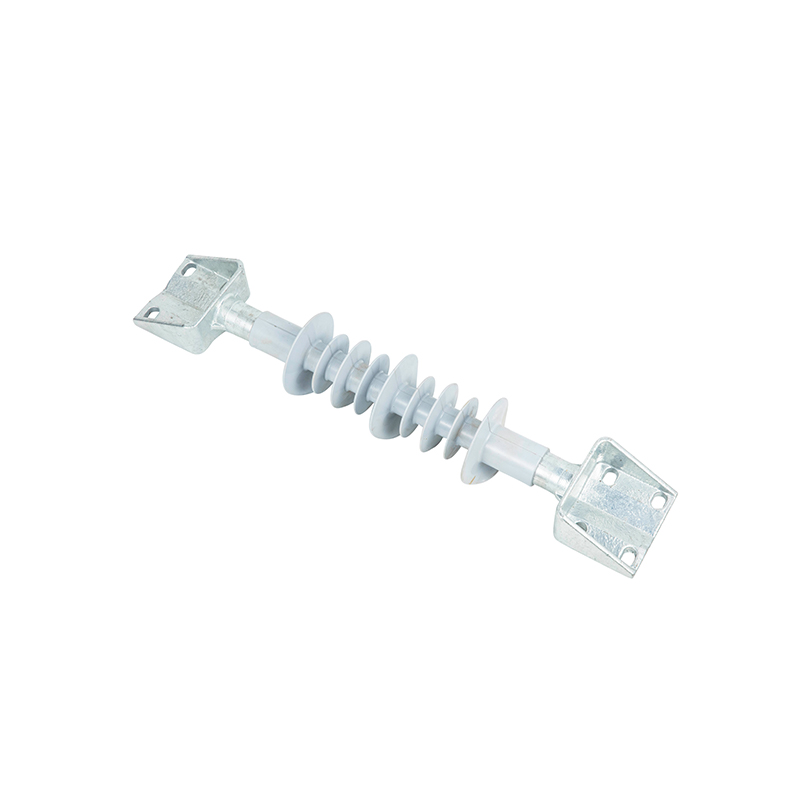
Post insulators are designed for bending loads. They are often installed horizontally or at an angle to support registration arms and cantilevers. Post insulators need low deflection because the contact wire position must stay within tight mechanical tolerances.
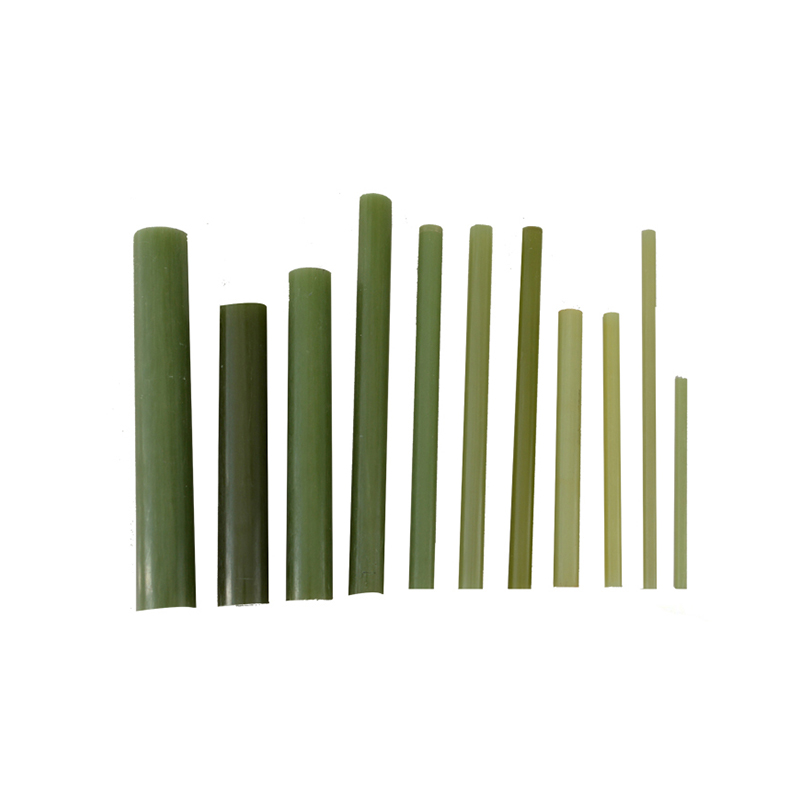
A modern composite railway insulator is built from three main elements: a pultruded FRP core, a silicone rubber or EPDM housing, and metal end fittings. The core rod carries the full mechanical load and must be free of voids and internal defects. The weathershed provides the long-term electrical insulation and protects the core from moisture and UV.
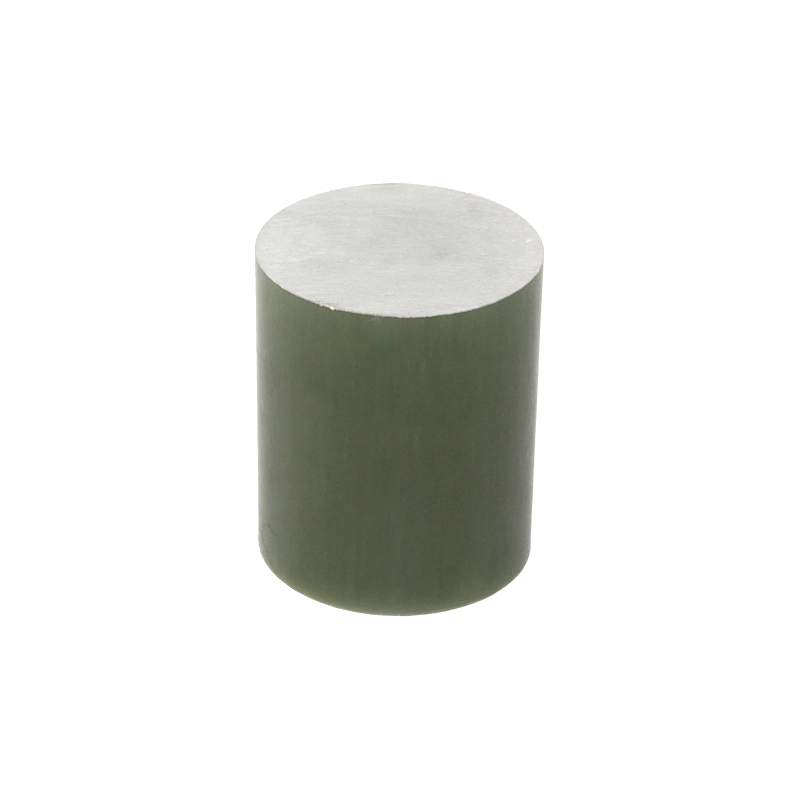 Pultruded FRP Core Rod for Composite InsulatorsThis core rod is the mechanical backbone of composite insulators, carrying full load while resisting fatigue and corrosion. Its reliable construction is critical for long-term catenary performance.View Product →
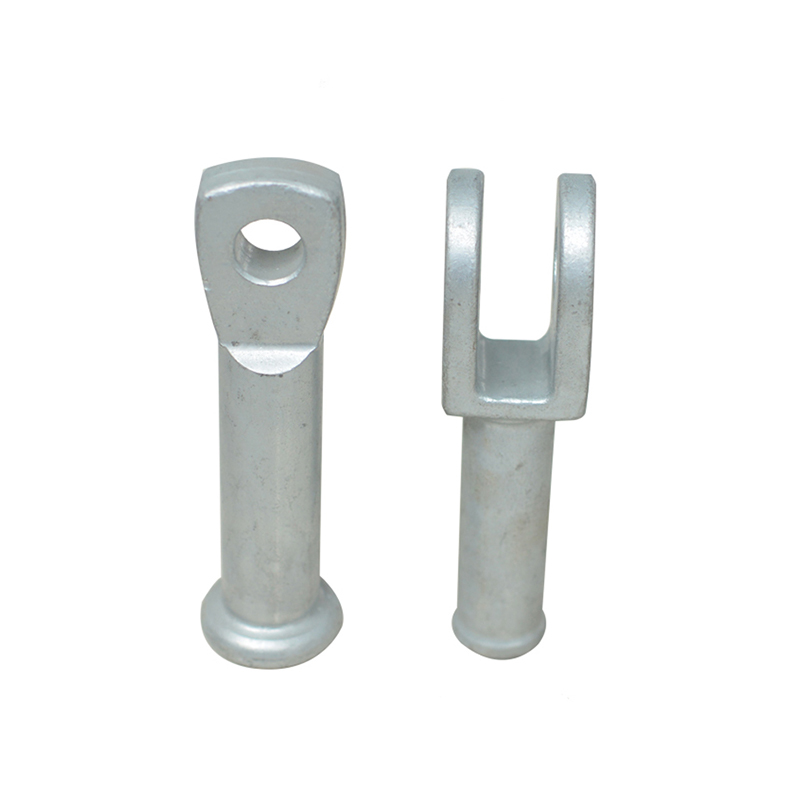
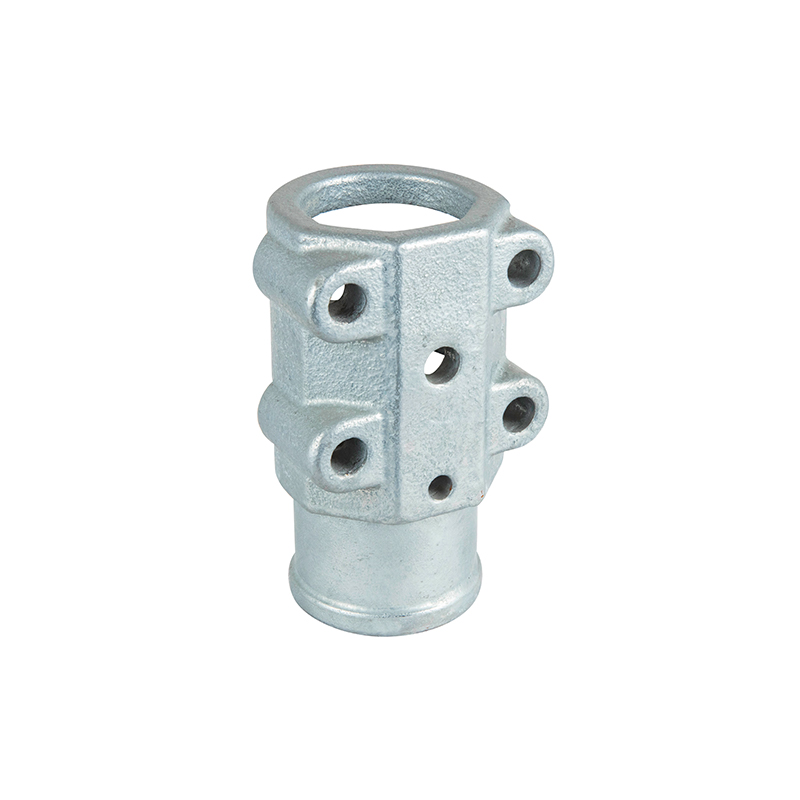
The metal end fittings are crimped or swaged onto the core. A reliable fitting joint is essential because the insulator must hold its rated mechanical load for decades without creep. Rail-specific fittings often include special clevis, socket or ball-eye configurations to match catenary hardware.
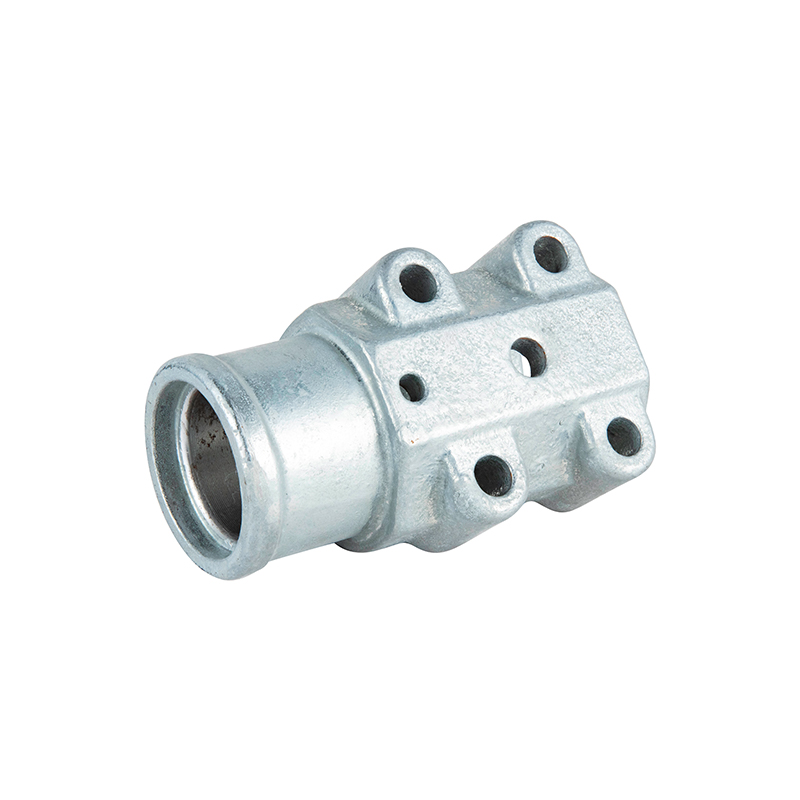 Complete Railway Fittings Including Fastening and Adjustment HardwareThese fittings cover rail fastening, padding, adjustment, and overhead contact line components, designed for strength and durability. They ensure stable track and reliable electrical connections, supporting safe railway operation.View Product →
At THIIM, the quality process is built around three inspection steps: self-check, mutual check and specialised inspection. All performance indicators are tested according to IEC 61109, GB/T 19519 and JB/T 8460 before shipment.
Selection is a balance of electrical, mechanical and environmental factors. Use the line voltage to determine the minimum creepage distance, then check the mechanical loads from the catenary geometry and local wind and ice zones. If severe pollution is expected, specify a longer creepage distance or a housing with a higher tracking resistance.
For more detailed guidance, see our guide to choosing composite insulators.
| Type | Voltage class | Typical mechanical rating | Best suited for |
|---|---|---|---|
| Suspension | 25 kV–33 kV | 70–160 kN | Vertical tension strings |
| Pin | ≤ 35 kV | 12–25 kN | Compact support, small structures |
| Post | ≤ 36 kV | 20–50 kN | Registration arms, cantilevers |
Always verify that the insulator's mechanical load rating is at least 2.5 times the maximum service load to account for dynamic effects and ageing.
Correct installation is just as important as correct selection. Insulators should be unpacked with care, inspected for cracks, and lifted using the end fittings only. Never use the housing or sheds to lift an insulator because the polymer weathershed is not designed to carry the weight.
During periodic maintenance, look for:
Photographic records and insulator resistance measurements can help track the ageing trend. Replacing an insulator before it reaches flashover is always cheaper than an unplanned outage.
With proper specification and maintenance, a silicone rubber composite insulator typically lasts 20 to 30 years in an overhead line environment. The core and fittings often last longer than the weathershed.
Yes. Composite insulators supplied for AC railway electrification are normally rated for at least 25 kV and can be designed for 33 kV or other line voltages. The creepage distance must be selected according to local pollution levels.
Cracks in the cement joints, interface corrosion, or brittle fracture of a fibre-reinforced core are not always visible. Regular visual or ultrasonic inspection, combined with leakage current monitoring on critical towers, helps detect problems early.
Railway insulators are a small but safety-critical part of the traction system. Composite materials have made them lighter, stronger and more resilient to pollution than traditional porcelain and glass. When selecting an insulator, always consider the real service voltage, mechanical loads and pollution exposure, and choose a supplier with a documented quality system.
THIIM manufactures a complete range of composite railway insulators, FRP rods and associated fittings for both new projects and replacement programmes. By focusing on material quality and traceable testing, the company offers products that meet the needs of modern electrified railways.
Contact Us

jszn@vip.163.com
jsthim@188.com

0086 523-88026699
0086 523-88665172



Quick Links
Product Categories
Message Us Now !