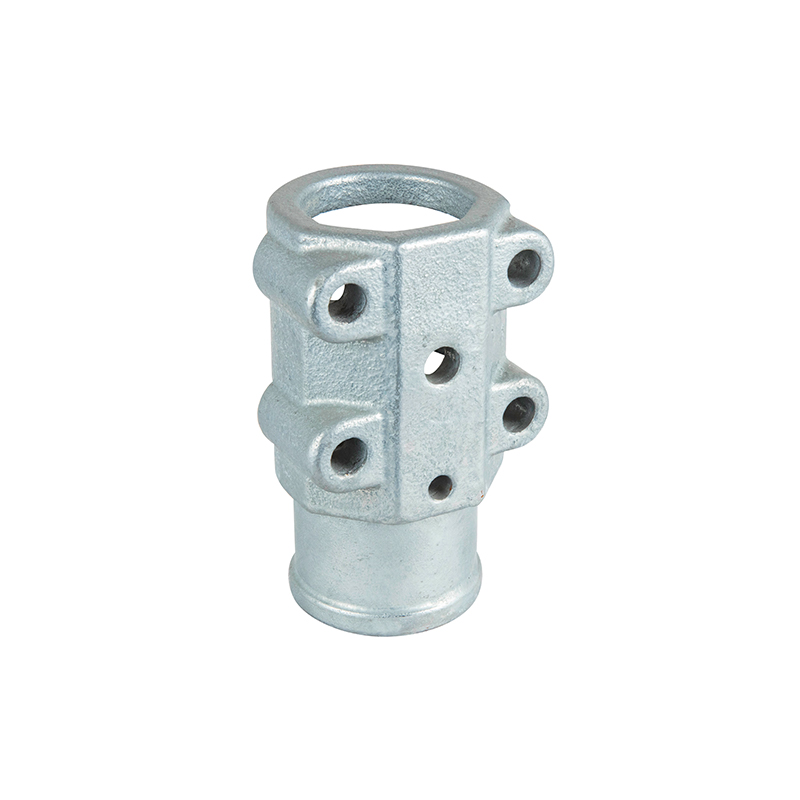
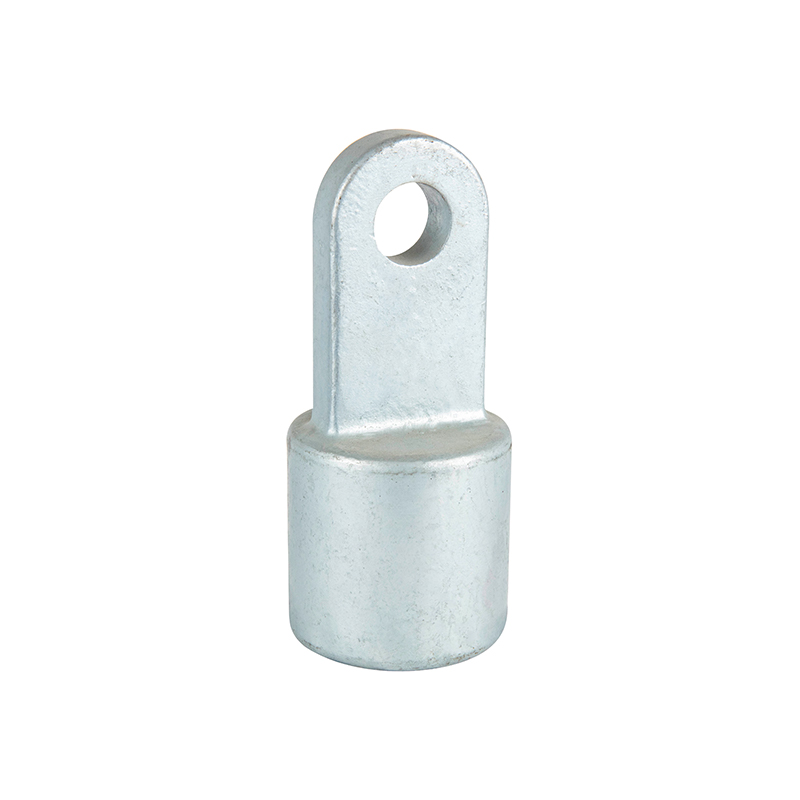
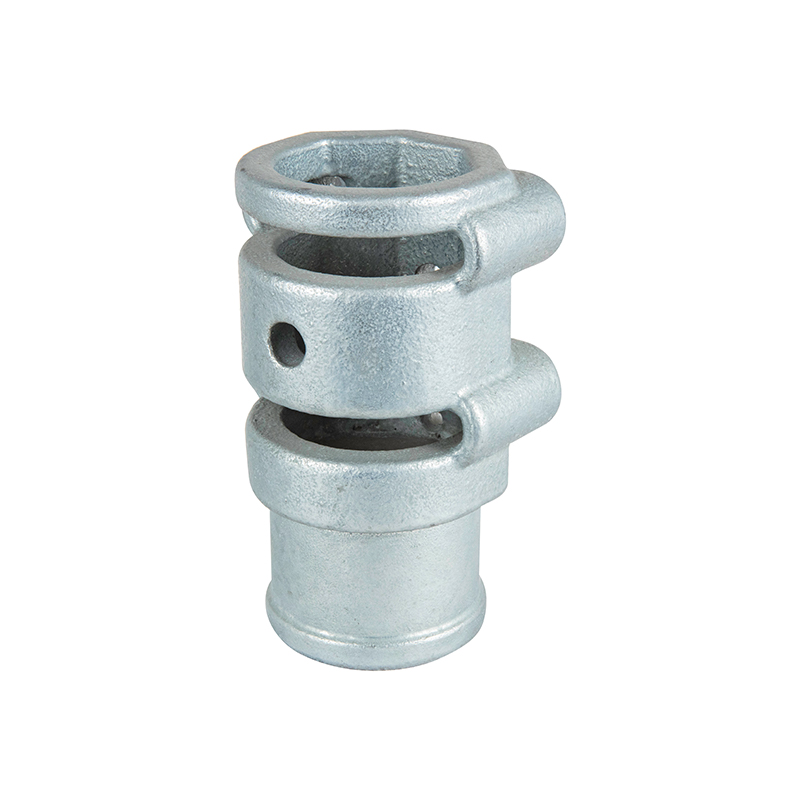
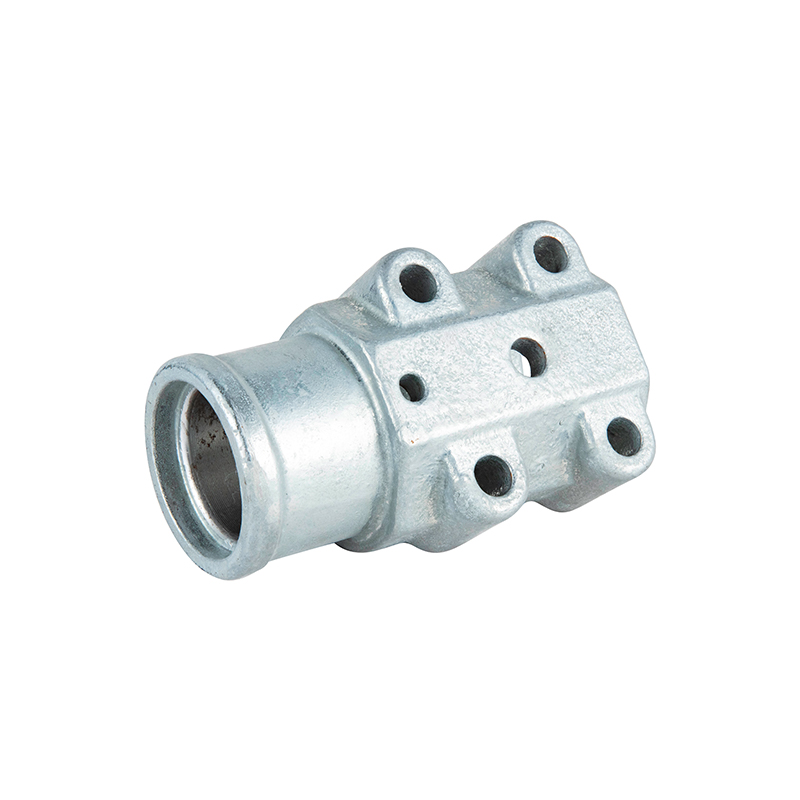
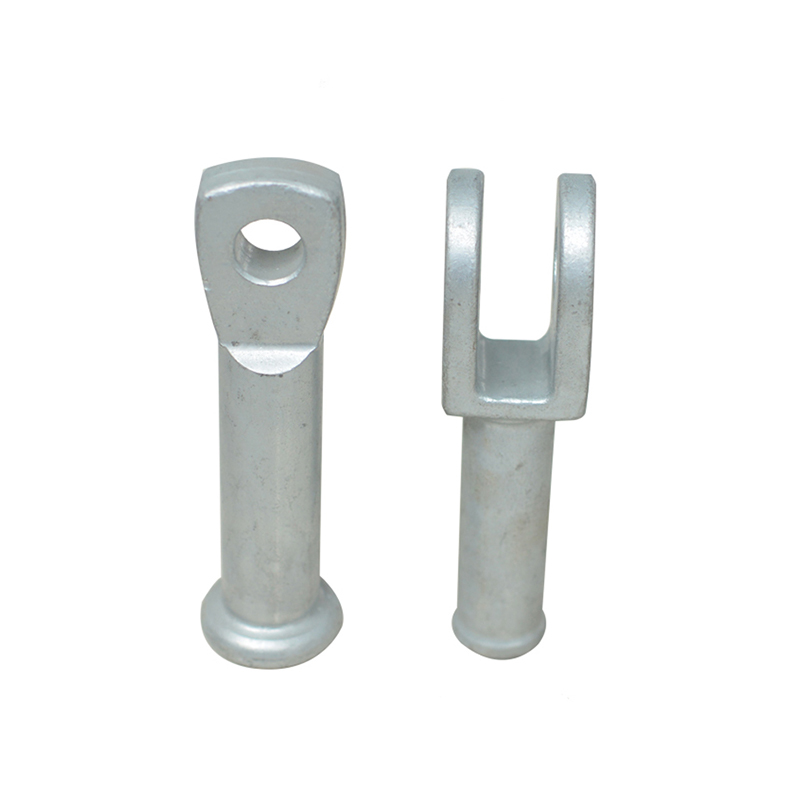
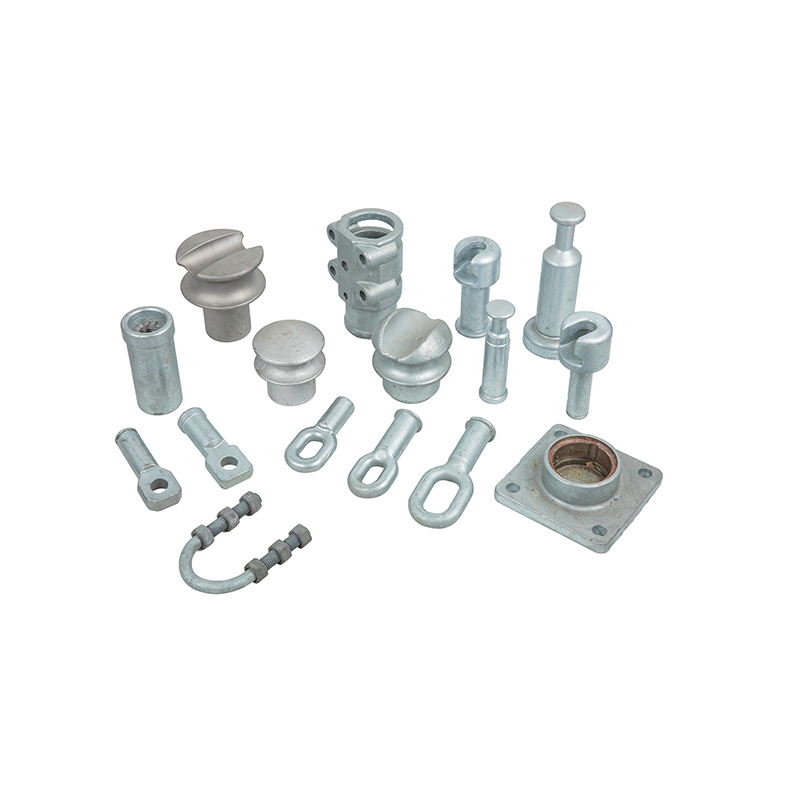
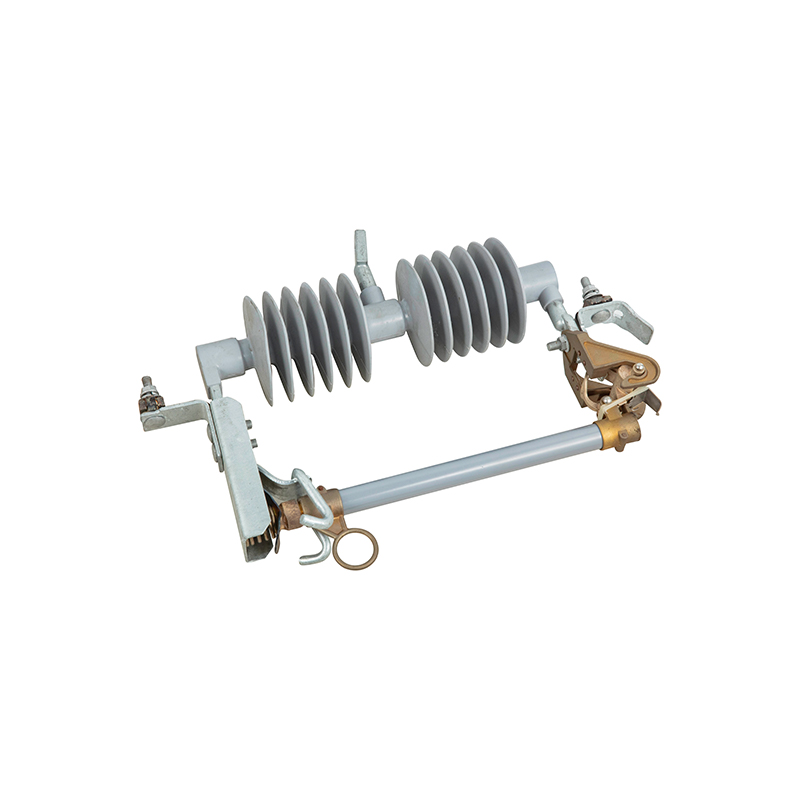
Railway fittings are critical components for ensuring railway safety; they are primarily used to connect and secure rails, thereby guaranteeing the stability and safety of the track infrastructure. These fittings must withstand the weight of trains and the associated impact forces, requiring sufficient strength and durability. Furthermore, they must facilitate the adjustment of rail position and height to ensure the smooth operation of trains.
Main Types and Functions 1. Fastening Systems Rail Clips/Clamps: Used to secure rails to sleepers (ties), preventing lateral and longitudinal rail movement. Rail Plates: Press down on the base of the rail to provide firm support. Track Bolts: Used to fasten various components together. Railway Spikes: A traditional fastening method used to nail rails in place. 2.Padding/Cushioning Components Rail Pads (Rubber Pads): Provide cushioning and vibration damping, while distributing wheel loads to the underlying foundation. 3. Adjustment Components Gauge Blocks: Used to adjust track width, ensuring adherence to standard track gauge. Sleeper Inserts: Embedded within sleepers to serve as a foundational anchor point for connections. 4. Guy Wire Fittings UT-Type Clamps: Used for connecting guy wires and bearing tensile loads. Wedge Clamps: Used to secure guy wires in place. Turnbuckles: Used for adjusting the tension and securing guy wires. 5. Electrical Fittings Railway overhead contact systems also utilize specialized electrical fittings: Suspension Clamps: Used to suspend the contact wire. Tension Clamps: Used to anchor the contact wire. Splicing Fittings: Used to join sections of conductor wire.
Key Characteristics and Requirements Railway fittings must possess the following attributes: High Strength: Capable of withstanding the immense impact forces generated by moving trains. Durability: Resistant to corrosion and degradation during prolonged exposure to outdoor environments. Reliability: Ensure stable connections and prevent loosening over time. Standardization: Facilitate efficient mass production, replacement, and maintenance.
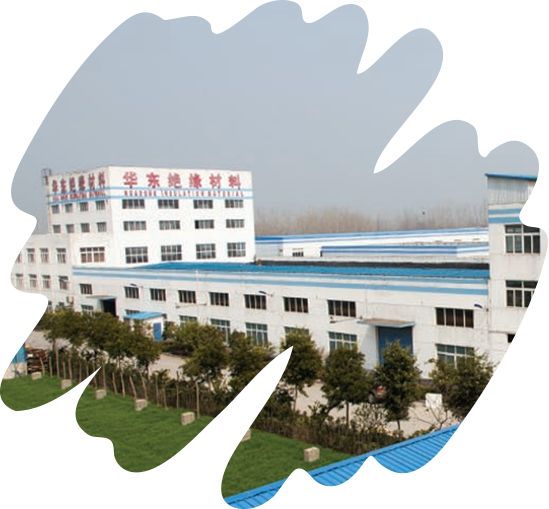
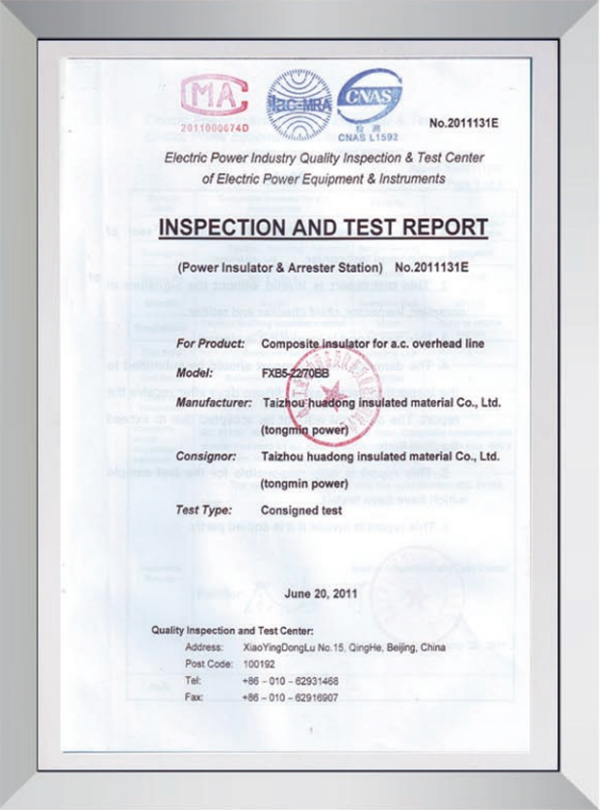
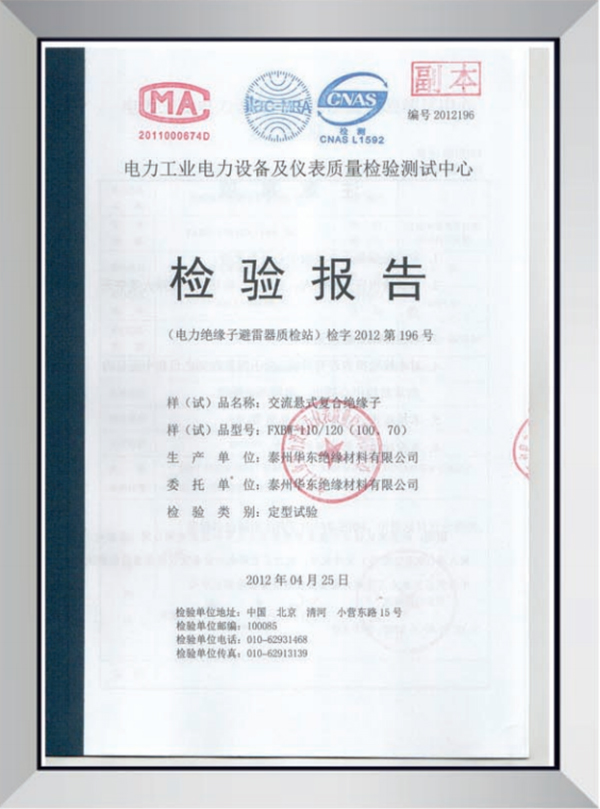
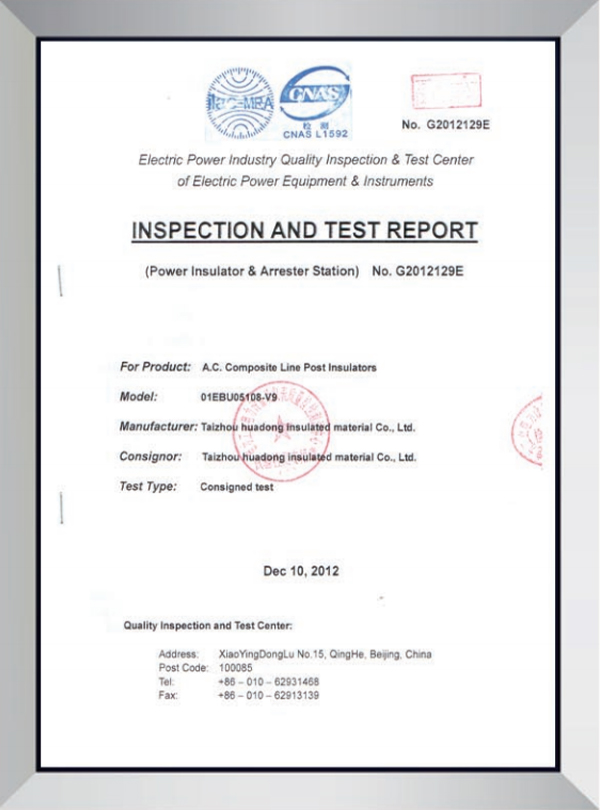
As China Railway Fittings Manufacturers and Railway Fittings Company, Taizhou HuaDong Insulated Material Co., Ltd (FORMER Yangzhou Dajieshi FRP products Co., Ltd), which was founded in October in 1994.
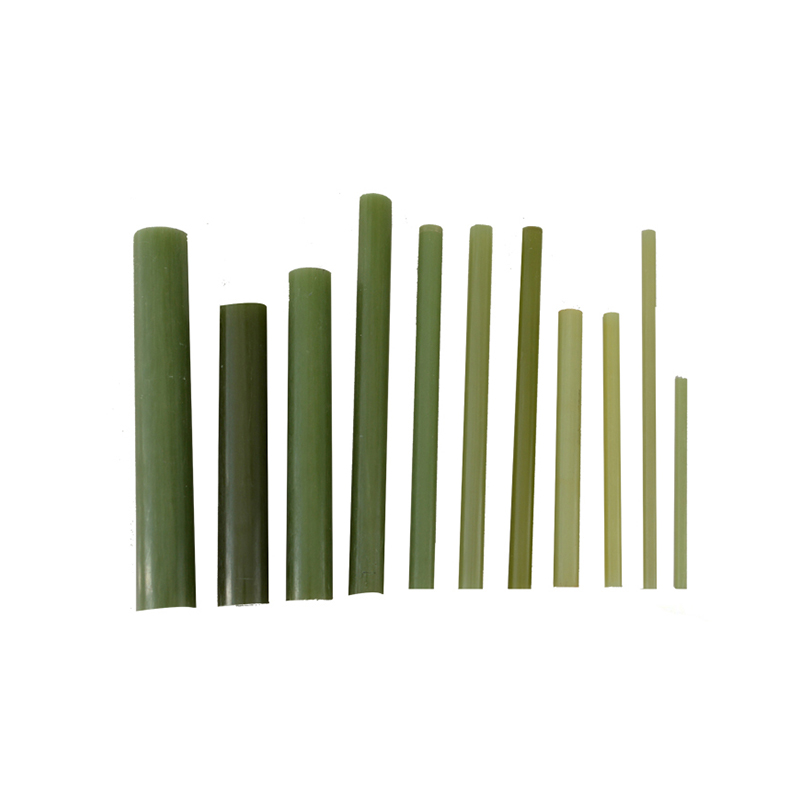
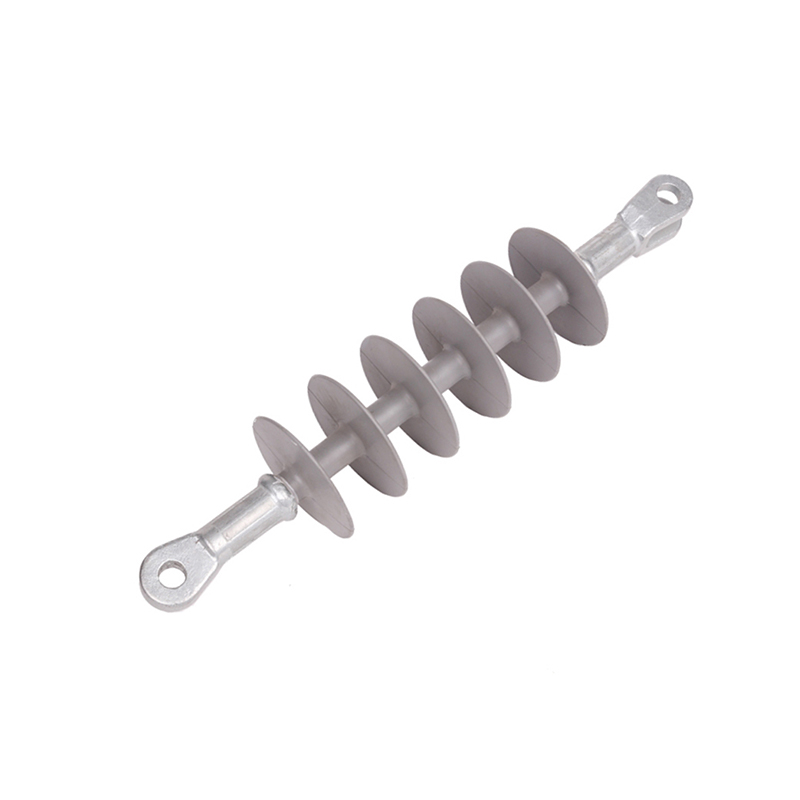
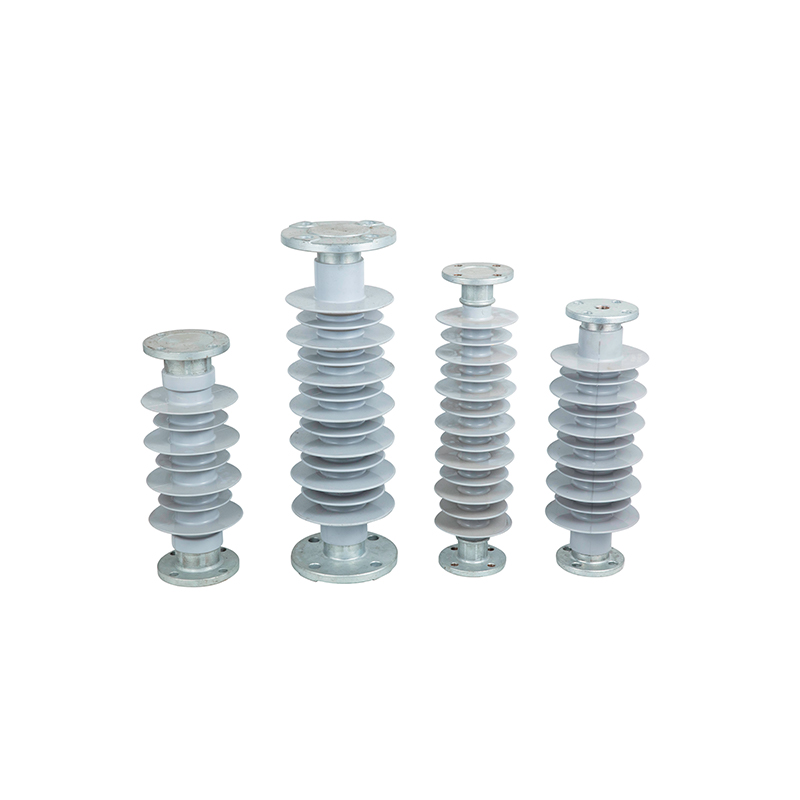
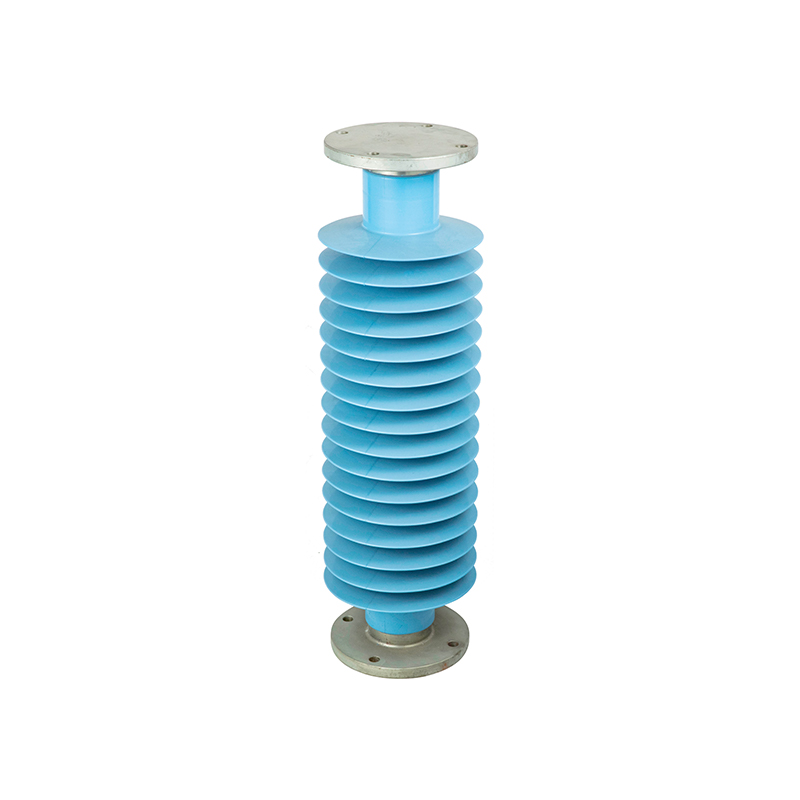
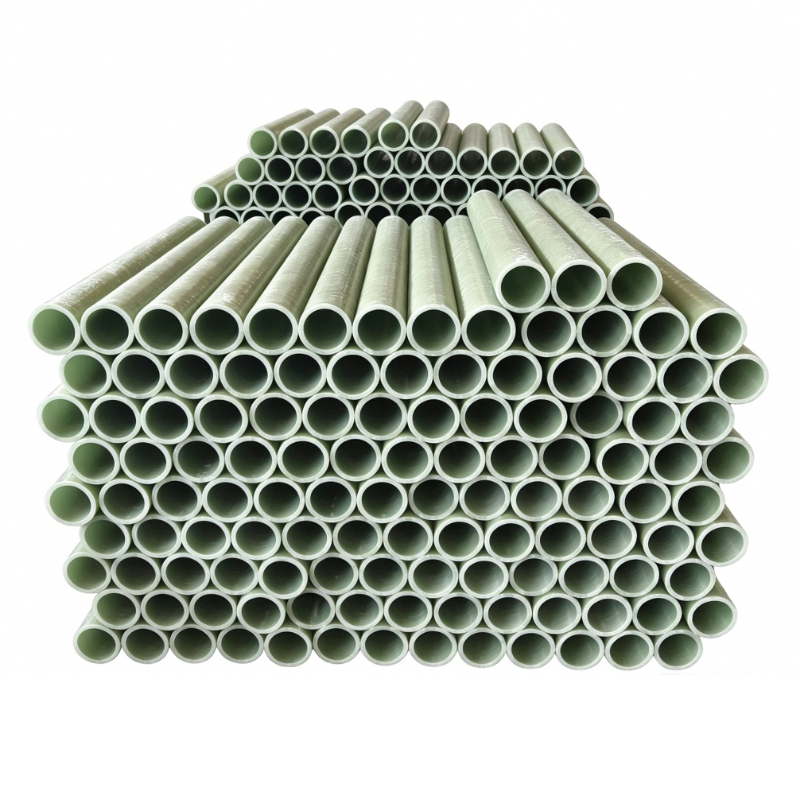
Our company is mainly engaged in the production of FRP ROD profiles, related terminal parts and accessory products. The terminal and accessories products such as various types of composite insulators, silicone rubber insulator fittings, line fittings and so on.The epoxy fiberglass core we produce as an intermediate connector and insulating parts is widely used in all fields and many kinds of composite insulator production. The profiles and composite insulators are widely used in electric power electronics and electrical railways. In the construction, automotive and environmental protection field IHIM products arewidely sales in North and South America.Africa.Asia. Europe ete such as USA.Kenya. Korea.India, Vietnam, Iran, Russia, Germany.Romania and other countries and vast areas in our country. THIIM is becoming a well-known supplier for insulation products field globally.
A composite insulator that fails in service rarely fails because the silicone housing was the wrong color. It fails because the fiberglass core inside it was selected, manufactured, or handled without enough attention to the details that actually control mechanical strength and ...
An overhead railway line is only as reliable as its least visible component. The railway insulator, often taken for granted, is the hard-working barrier that keeps high-voltage current in the catenary wire and away from masts, bridges and maintenance crews. Choosing the wrong in...
At 6:40 on a weekday morning, the 27.5 kV feeder inside a busy urban tunnel loses insulation. The pantograph drops, the train glides to a halt, and every service behind it stacks up. In most cases the failed component is not the feeder cable or the circuit breaker, but the railw...
Railway fittings are the fastening, cushioning, adjustment and electrical hardware that keep a rail track safe under the weight and impact of moving trains, connecting and securing rails to sleepers while allowing rail position and height to be fine-tuned for smooth operation. Because a single loose fastener can compromise an entire section of track, railway fittings are engineered for high strength and long-term reliability rather than convenience. Taizhou HuaDong Insulated Material Co., Ltd supplies railway fittings as part of its metal end fittings range, alongside the power fittings and insulator fittings produced at the same Jiangsu manufacturing base.
The Role Railway Fittings Play in Track Infrastructure
A rail track has to carry repeated, heavy impact loads without shifting out of position, and railway fittings are the components that make this possible. They connect and secure rails to guarantee the stability and safety of the track structure, withstand the weight of trains and the associated impact forces, and facilitate the adjustment of rail position and height so trains keep running smoothly. Taizhou HuaDong groups its railway fittings into five functional categories, summarized in the timeline below.
1
Fastening Systems
Rail Clips / Clamps secure rails to sleepers and prevent lateral and longitudinal rail movement. Rail Plates press down on the base of the rail to provide firm support. Track Bolts fasten various components together, and Railway Spikes are the traditional fastening method used to nail rails in place.
2
Padding and Cushioning Components
Rail Pads, also called rubber pads, provide cushioning and vibration damping while distributing wheel loads down to the underlying foundation.
3
Adjustment Components
Gauge Blocks adjust track width so it stays within standard track gauge. Sleeper Inserts are embedded within sleepers to serve as a foundational anchor point for connections.
4
Guy Wire Fittings
UT-Type Clamps connect guy wires and bear tensile loads. Wedge Clamps secure guy wires in place, and Turnbuckles are used for adjusting the tension of guy wires and keeping them secured.
5
Electrical Fittings
Railway overhead contact systems rely on specialized electrical fittings: Suspension Clamps suspend the contact wire, Tension Clamps anchor the contact wire, and Splicing Fittings join sections of conductor wire together.
Electrical Fittings for Overhead Contact Systems
Because electrified railway lines depend on a continuously suspended and tensioned contact wire, this category of railway fittings works together as a set rather than as standalone parts. Taizhou HuaDong manufactures each of the three components used along the contact line.
Suspension Clamps
Suspend the contact wire along the overhead line
→
Tension Clamps
Anchor the contact wire at terminal points
→
Splicing Fittings
Join sections of conductor wire together
Key Characteristics Railway Fittings Must Meet
Every railway fitting that leaves the Taizhou HuaDong facility is judged against four requirements before it is fit for use on an active rail line.
High Strength
Capable of withstanding the immense impact forces generated by moving trains.
Durability
Resistant to corrosion and degradation during prolonged exposure to outdoor environments.
Reliability
Ensures stable connections and prevents loosening over time.
Standardization
Facilitates efficient mass production, replacement and maintenance.
Taizhou HuaDong describes itself as a supplier for the insulation products field globally, with profiles and composite insulators widely used in electric power, electronics and electrical railway applications as well as construction, automotive and environmental protection fields. The company sells across North and South America, Africa, Asia and Europe, including confirmed markets in the USA, Kenya, Korea, India, Vietnam, Iran, Russia, Germany and Romania.
Railway Fittings Within the Taizhou HuaDong Product Range
Railway fittings are listed directly alongside power fittings in the metal end fittings section of the Taizhou HuaDong catalog, and buyers sourcing rail hardware often combine them with the following related products from the same manufacturer.
Power Fittings
Metal accessories for securing, connecting and protecting conductors, ground wires and insulator strings
Insulator Core Rod / Epoxy Rod
FRP rod components used as the insulating core inside composite insulators
Railway Insulator
Insulator products manufactured for electrified railway applications
Composite Suspension Insulator
Insulator hardware designed to work with suspension type fittings
Frequently Asked Questions
What is the difference between rail clips and rail plates
Rail clips, also called rail clamps, secure rails to sleepers and stop lateral and longitudinal movement, while rail plates press down on the base of the rail to provide firm support underneath it.
What are railway spikes used for
Railway spikes are a traditional fastening method used to nail rails in place, and they remain one of the fastening systems supplied within the railway fittings range.
How do gauge blocks keep track width standard
Gauge blocks are adjustment components used to control track width, ensuring the distance between rails stays within standard track gauge along the full length of the line.
What is the purpose of rail pads on a track
Rail pads, also known as rubber pads, are padding and cushioning components that absorb vibration and distribute wheel loads down to the underlying foundation, protecting both the rail and the sleeper.
Are railway fittings used on overhead contact line systems
Yes. Railway overhead contact systems use electrical fittings including suspension clamps to suspend the contact wire, tension clamps to anchor it, and splicing fittings to join sections of conductor wire.
What is a turnbuckle used for in railway guy wire fittings
A turnbuckle is used for adjusting the tension of guy wires and keeping them secured, working alongside UT-type clamps and wedge clamps within the guy wire fittings category.
Why do railway fittings need to be corrosion resistant
Railway fittings are installed outdoors for long periods and must remain durable, meaning resistant to corrosion and degradation, while still holding stable connections that do not loosen over time.
Does Taizhou HuaDong manufacture both railway fittings and power fittings
Yes. Both product lines are produced at the same Taizhou HuaDong facility in Jiangsu province and are listed together under the metal end fittings category of the company product range.