Rail PowerRailway insulators are critical electrical components within electrified railway systems, and Taizhou HuaDong Insulated Material Co., Ltd manufactures this railway insulator and train insulators range to support and electrically isolate high-voltage conductors, overhead contact line equipment, and substation apparatus. By preventing current leakage or short circuits, insulator railway components serve as a foundational part of safe, reliable electrified railway infrastructure.
Visual Characteristics
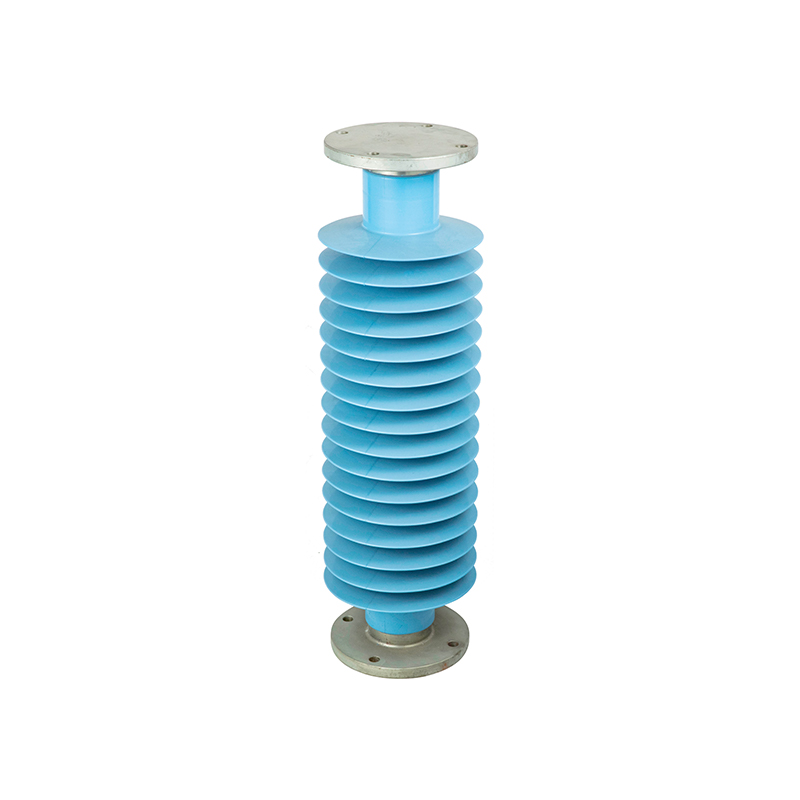
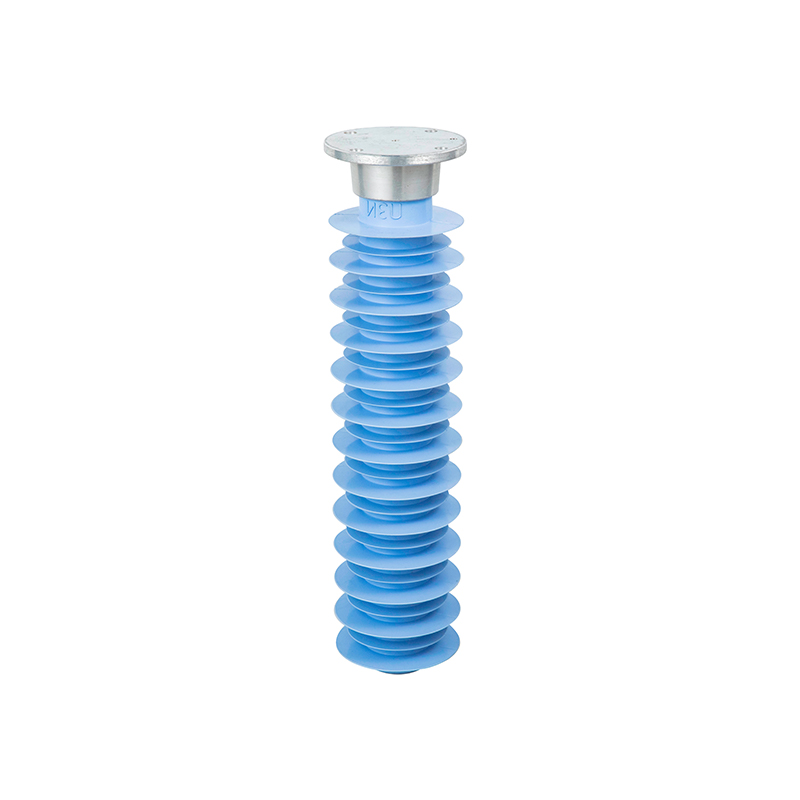
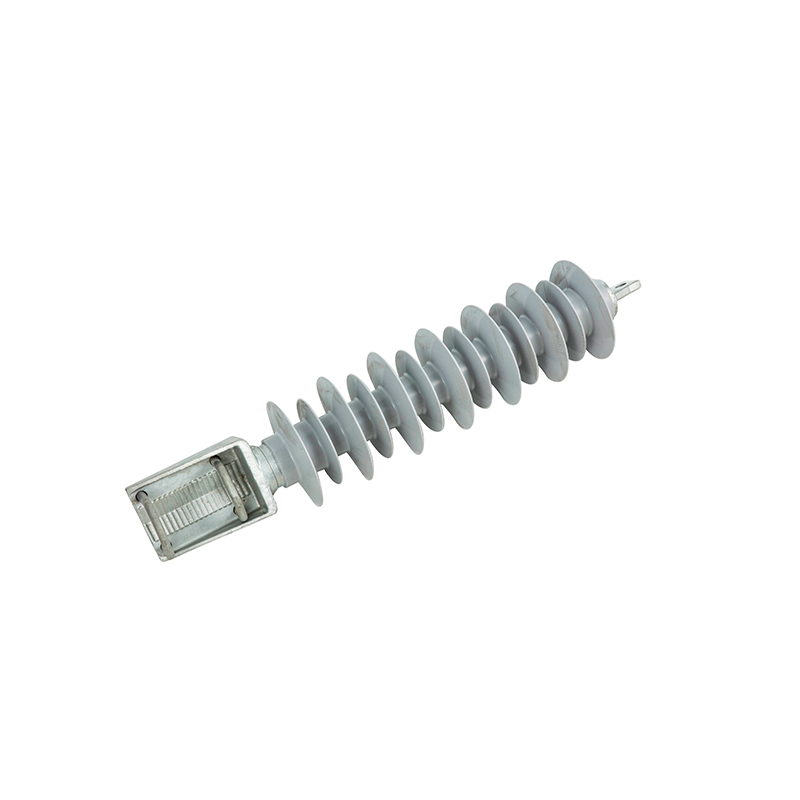
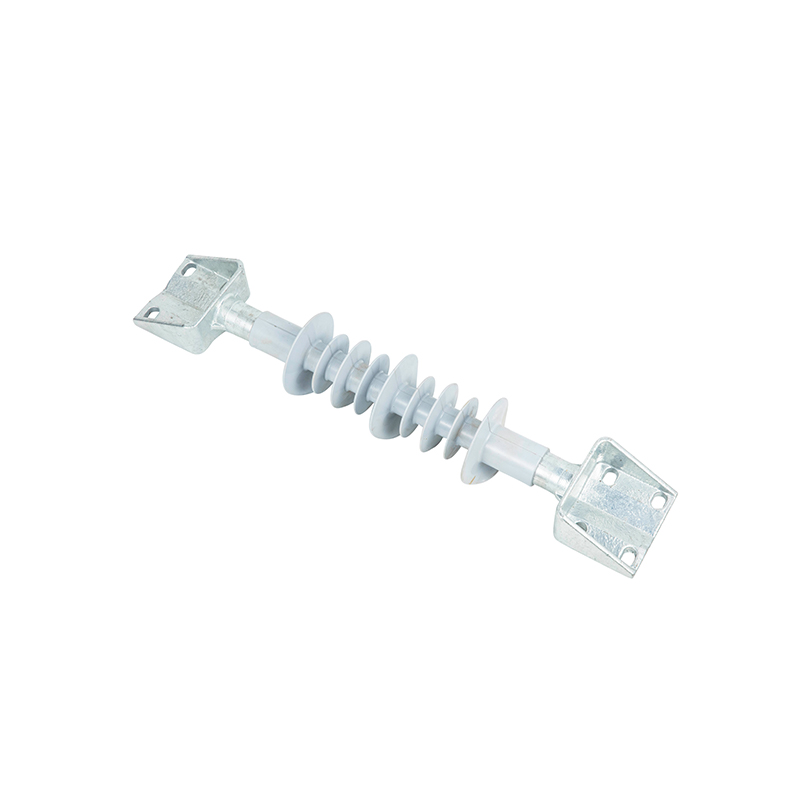
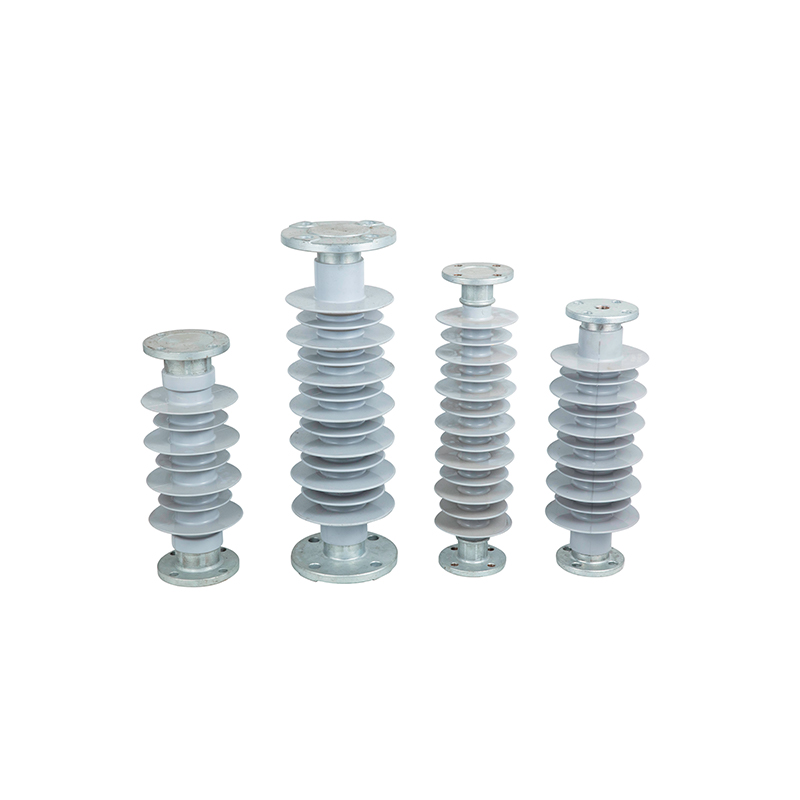
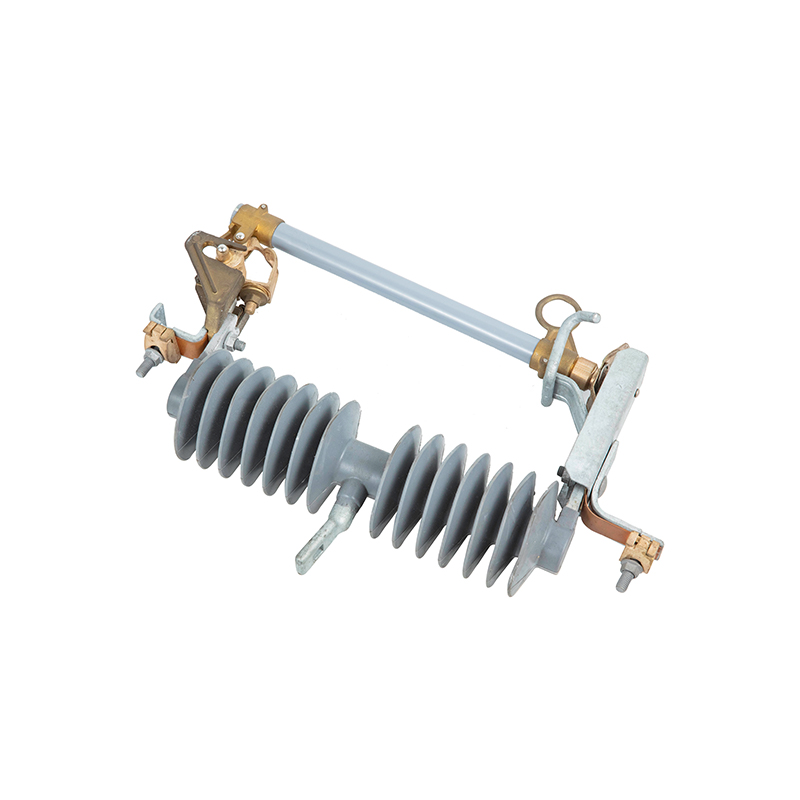
Most railway insulators supplied by Taizhou HuaDong Insulated Material Co., Ltd feature a shed or skirt structure, typically appearing in umbrella, disc, rod, or double-umbrella shapes arranged in a wavy or annular pattern. This shed design increases creepage distance, the shortest path along the insulator's surface between conductive points, which enhances resistance to pollution flashover in humid or contaminated environments.
Umbrella Disc Rod Double-Umbrella
Common colors include white, gray, purple, and red, and the color can hint at material and voltage class.
White, typically silicone rubber or ceramic
Gray, typically silicone rubber or ceramic
Purple, specialized formulations or voltage class markers
Red, manufacturer or voltage class markers
A smooth, glossy surface generally indicates a silicone rubber composite insulator, while a slightly rough surface with a ceramic texture suggests a porcelain insulator. The comparison below reflects how Taizhou HuaDong Insulated Material Co., Ltd differentiates the two material types for customers choosing between them.
Composite Insulator
Porcelain Insulator
Surface
Smooth, glossy
Slightly rough, ceramic texture
Pollution Flashover Resistance
Superior
Lower
Mechanical Robustness
Good
More robust
Thermal Resistance
Good
Greater
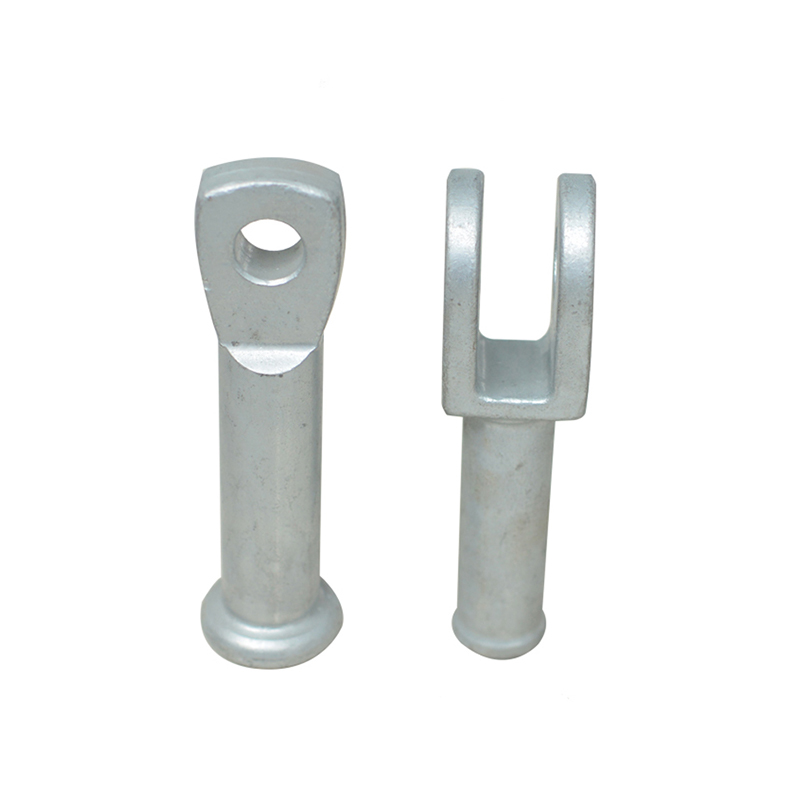
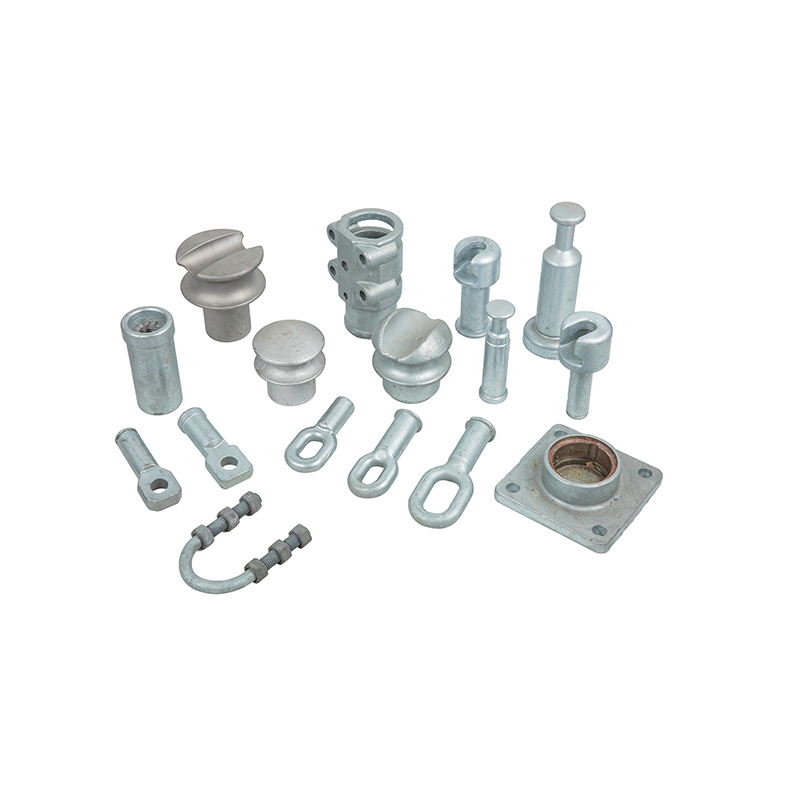
Both ends of a railway insulator are fitted with metal fittings such as flanges, bolts, ball-and-socket joints, or clevis-and-tongue assemblies that interface with support towers, conductors, or electrical equipment. Some use a suspension structure so they can be strung together in series, while others use a post or pillar structure to provide rigid support.
Structural Composition
Every railway insulator built by Taizhou HuaDong Insulated Material Co., Ltd is assembled from four functional layers along a single connected structure.
Insulating Body
Fabricated from materials with high dielectric strength, either traditional porcelain, known for high voltage withstand capability but susceptible to brittleness, or the silicone rubber composites Taizhou HuaDong Insulated Material Co., Ltd uses as the modern industry standard, prized for lightweight construction, pollution resistance, and anti-aging properties.
Metal Fittings
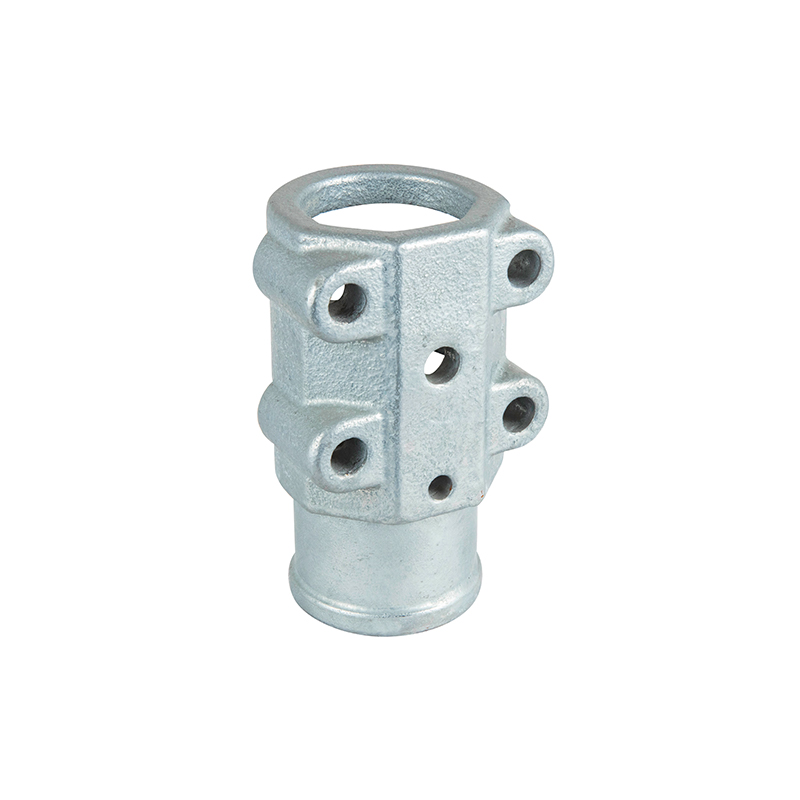
Metal terminal components at both ends, such as ball-and-socket joints, clevis-and-tongue plates, or flanges, typically manufactured from stainless steel or hot-dip galvanized steel for corrosion resistance.
Sheds and Discs
External skirt-like structures that extend surface creepage distance and prevent flashover from surface contamination. Spacing, diameter, and geometry are designed around the insulator's voltage class and expected pollution level.
Internal Structure
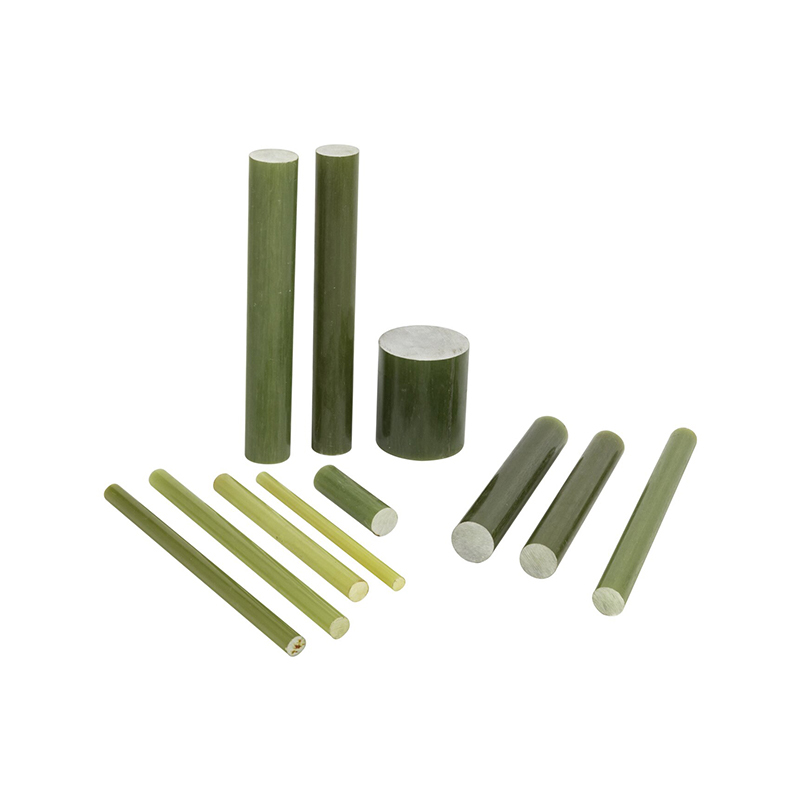
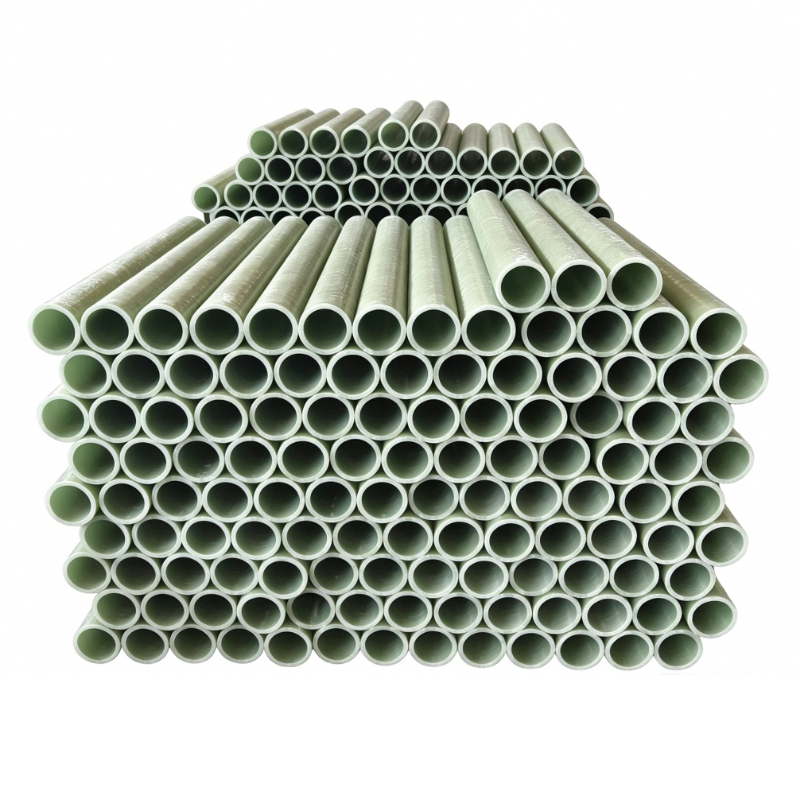
In composite insulators, the silicone rubber body encapsulates a core rod made of glass fiber reinforced resin for mechanical strength, with a sealant applied between the core rod and metal fittings to prevent moisture ingress.
Application Scenarios
Taizhou HuaDong Insulated Material Co., Ltd supplies railway insulators for four main areas of an electrified railway system.
Catenary Systems
Support contact wires, messenger wires, droppers, and similar components, ensuring insulation between high-voltage conductors and metal support structures. Suspension insulators are frequently deployed at bracket arms, positioners, and section insulators.
Traction Substations
Post insulators support high-voltage equipment such as busbars, circuit breakers, and disconnect switches, while suspension insulators are used for the insulation of lead-in connections for outdoor equipment.
Electric Locomotives and EMUs
Roof insulators provide insulation between the pantograph and the vehicle body, preventing high-voltage electrical leakage on the train itself.
Special Environments
Specially formulated insulators are used in regions with high pollution, high humidity, high altitude, or cold climates, offering enhanced resistance to pollution flashover and ultraviolet radiation.
Insulators vary in size to correspond with different voltage classes. Higher voltage levels require a greater number of, and longer, sheds to meet stricter creepage distance requirements. Through shed structures, metal fittings, and high-strength core rods, the railway insulator and train insulators range from Taizhou HuaDong Insulated Material Co., Ltd fulfills electrical insulation, mechanical support, pollution flashover resistance, and weather resistance in a single component. Founded in October 1994 as Yangzhou Dajieshi FRP Products Co., Ltd and now based in Jiangyan district, Taizhou city, Jiangsu province, the company supplies these insulator railway products to customers across North and South America, Africa, Asia, and Europe, including the USA, Kenya, Korea, India, Vietnam, Iran, Russia, Germany, and Romania.
Frequently Asked Questions
What is the difference between suspension and post railway insulators
Suspension insulators use a structure that allows them to be strung together in series, commonly used at bracket arms and section insulators in catenary systems, while post insulators use a rigid pillar structure to support equipment such as busbars and circuit breakers in traction substations.
What do the shed shapes on a railway insulator indicate
Shed shapes such as umbrella, disc, rod, or double-umbrella are engineered to increase creepage distance, which is the shortest path along the surface between conductive points, improving resistance to pollution flashover.
What does the color of a railway insulator indicate
White and gray insulators are typically composed of silicone rubber or ceramic materials, while purple or red variants may reflect specialized formulations or be used to distinguish specific voltage classes or manufacturers.
How can I tell if an insulator is composite or porcelain by looking at it
A smooth, glossy surface typically indicates a silicone rubber composite insulator, while a slightly rough surface with a ceramic texture suggests a porcelain insulator.
What role do railway insulators play on electric locomotives and EMUs
Roof insulators mounted on the vehicle provide insulation between the pantograph and the vehicle body, preventing high-voltage electrical leakage into the train.
Where are suspension insulators typically installed in a catenary system
They are frequently deployed at bracket arms, positioners, and section insulators to support contact wires, messenger wires, and droppers.
Why do higher voltage railway insulators have more sheds
Insulators for higher voltage levels feature a greater number of, and longer, sheds to meet more stringent creepage distance requirements at that voltage class.
Are railway insulators available for high-altitude or high-pollution regions
Yes, specially formulated insulators are used in regions with high pollution, high humidity, high altitude, or cold climates, offering enhanced resistance to pollution flashover and ultraviolet radiation.