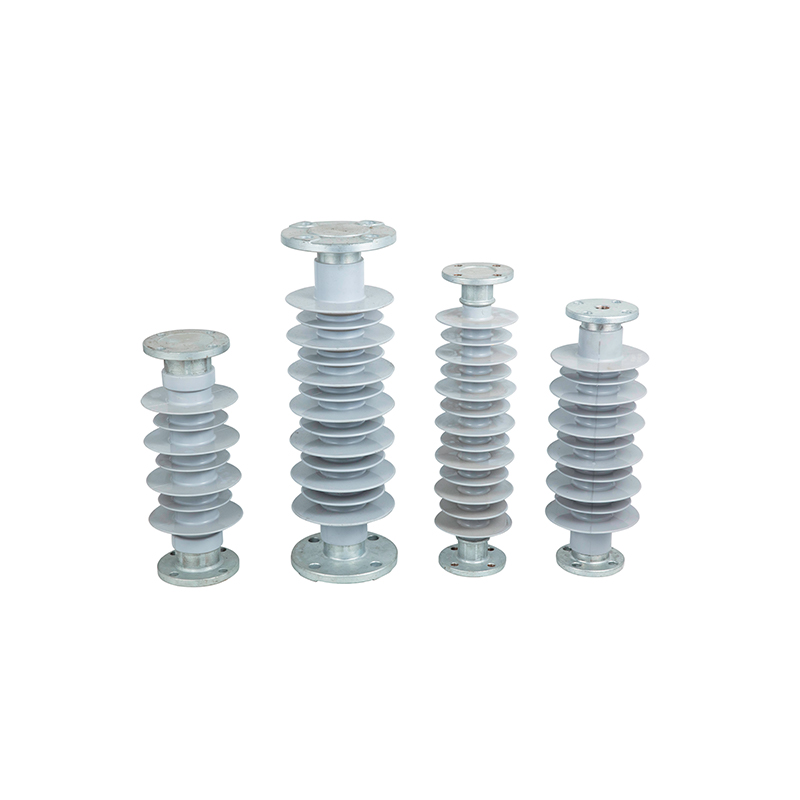
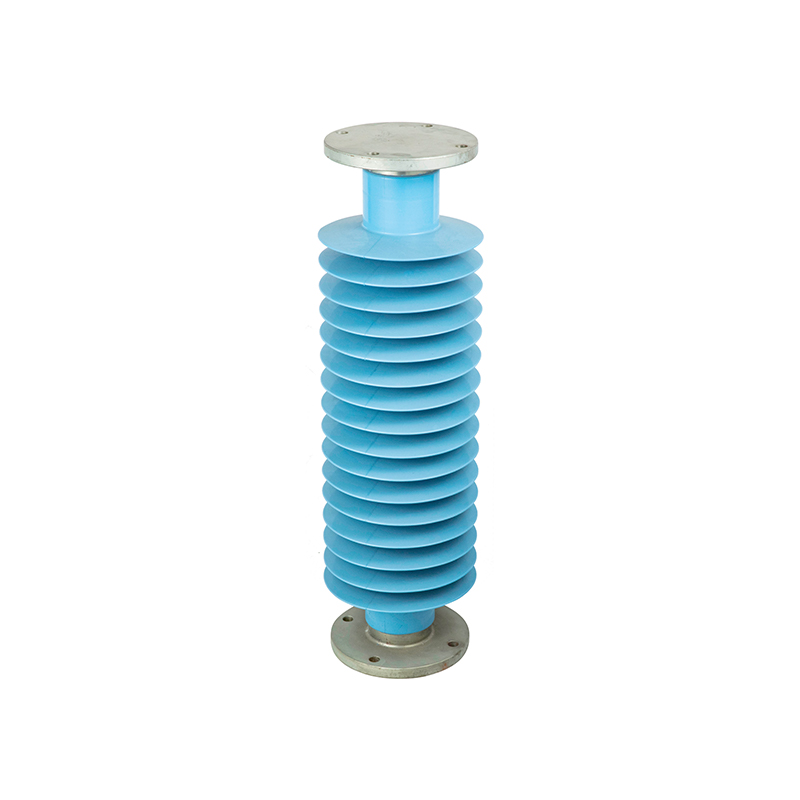
A composite insulator is an insulating component used in high-voltage equipment within power systems; it is primarily applied in high-voltage power infrastructure such as transmission lines, substations, and electrified railways. Its primary functions are to support conductors, provide electrical isolation, and prevent current leakage.
2. Structural Components
A composite insulator primarily consists of three parts:
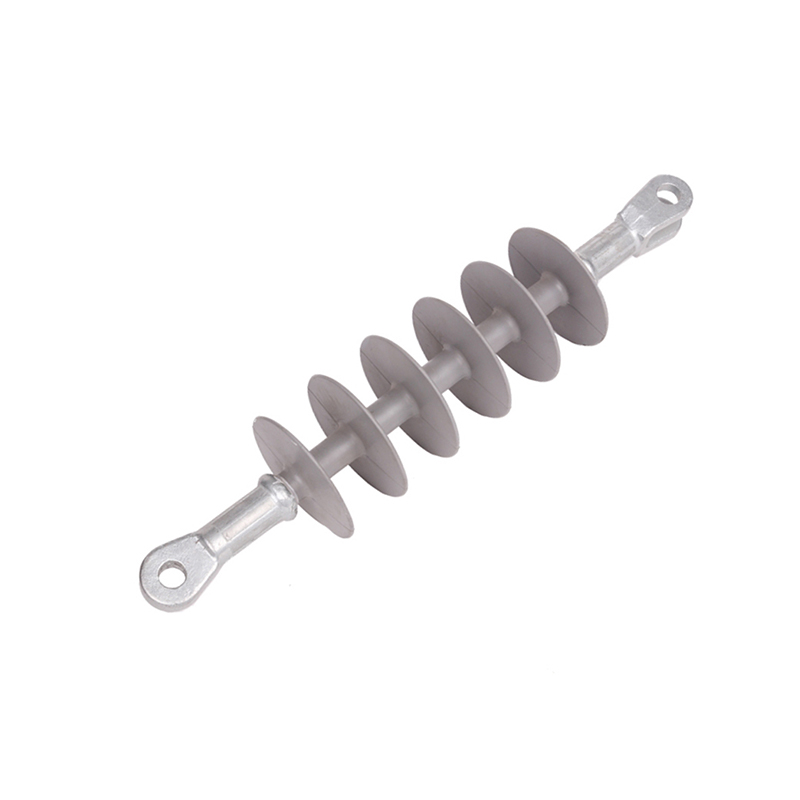
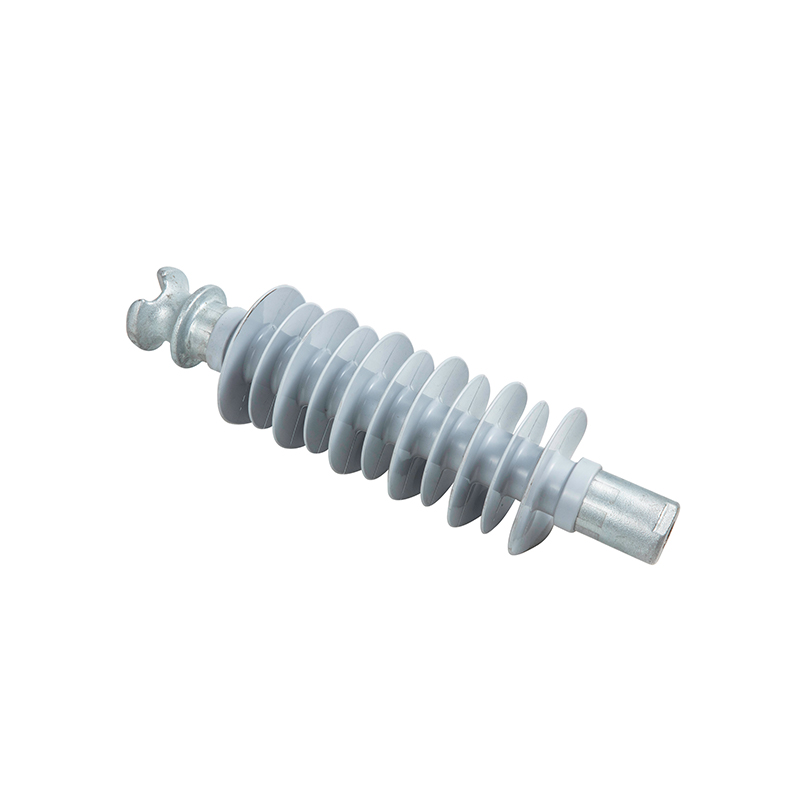
Sheds: Typically made of silicone rubber, the surface features multiple ring-shaped or disc-shaped structures arranged in an alternating pattern of large, medium, and small sizes, creating an umbrella-like appearance. This design effectively increases the creepage distance and enhances anti-pollution flashover performance. The surface of the sheds features textured patterns or grooves designed to enhance hydrophobicity and drainage capabilities.
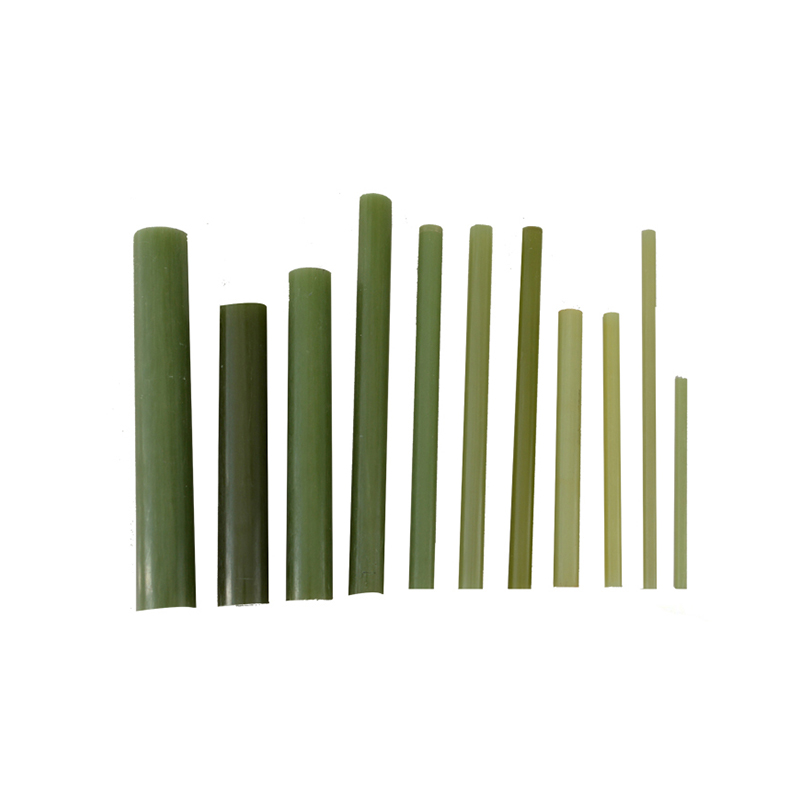
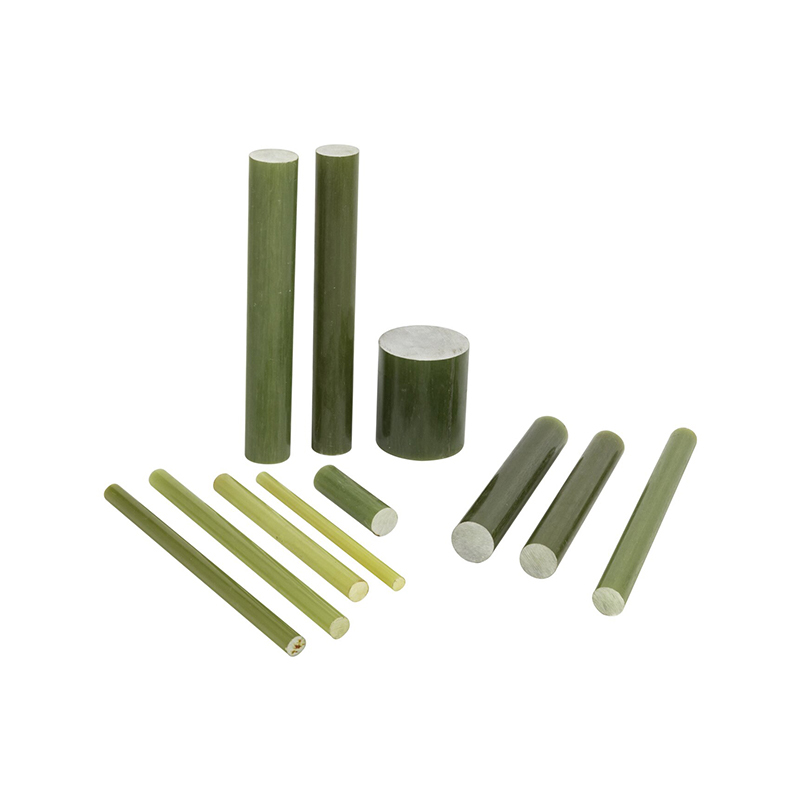
Core Rod: Composed of acid-resistant and high-temperature-resistant epoxy fiberglass, the core rod serves as the insulator's primary load-bearing element, withstanding mechanical tensile forces. The core rod is characterized by its high strength, high elastic modulus, corrosion resistance, and aging resistance.
Metal Fittings: Typically made of hot-dip galvanized steel or stainless steel, with surfaces often treated with a rare-earth aluminum coating. These fittings are connected to the core rod using an advanced crimping process, ensuring a reliable connection and preventing detachment caused by stress concentration or corrosion.
3. Appearance Characteristics
The composite insulator generally presents a long, slender, or cylindrical shape, featuring metal connection components (fittings) at both ends and an insulating body in the middle. The sheds come in a variety of colors—including white, gray, red, purple, green, and others—where different colors may be used to distinguish voltage levels, manufacturers, or pollution resistance grades. Installation configurations vary, including suspension types (suspended from conductors or cross-arms) and post types (mounted vertically).
4. Core Performance Features
Excellent Hydrophobicity: The silicone rubber sheds repel moisture, causing water to bead up on the surface rather than forming a continuous water film; this is a critical characteristic for preventing pollution flashover.
Strong Anti-Pollution Flashover Capability: In polluted environments, it effectively prevents electrical arc discharge, maintaining performance even when the surface is contaminated.
Superior Weather Resistance: Validated through rigorous testing—including 5,000-hour artificial aging tests and high-altitude simulations—the insulator demonstrates high reliability and a long service life during long-term operation.
5. Key Application Scenarios
High-Voltage and Ultra-High-Voltage Transmission Lines: Suitable for voltage levels ranging from 10 kV to 500 kV and above; suspended from transmission towers to support and insulate conductors.
Substation Equipment: Post-type composite insulators are used to support equipment such as busbars, circuit breakers, and disconnect switches.
Railway Electrification Systems: Railway insulators are utilized within catenary systems to ensure the safe transmission of power.
Specialized Environments: Particularly well-suited for harsh conditions, including high-altitude regions, coastal areas characterized by heavy pollution, high humidity, and salt fog, as well as regions prone to severe cold and freezing rain.
6. Advantages Over Traditional Insulators
Compact size and lightweight design: Weighing only 1/7 to 1/10 the weight of equivalent porcelain insulators, facilitating ease of transport and installation.
High mechanical strength: Features a high bending failure load and tensile strength.
Convenient installation and maintenance: Simple structural design minimizes the risk of damage.
Excellent aging resistance and long service life: Constructed using high-quality silicone rubber and an acid-resistant, high-temperature-resistant epoxy fiberglass core rod.
7. Manufacturing Process Highlights
The sheds and the core rod are manufactured using an integral molding process, ensuring a void-free interface to prevent electric field concentration and partial discharge. The metal fittings are attached to the core rod using a crimping process, guaranteeing both mechanical strength and electrical continuity.