Content
Metal end fittings are the connecting, securing, and suspension hardware that hold insulators, conductors, and rails together across power transmission, distribution, and railway networks, and the right choice always comes down to matching function, material, and coating to the mechanical load and the environment the fitting will live in. Insulator fittings, power fittings, and railway fittings each solve a different part of that problem, and once a buyer understands the load path and the outdoor conditions involved, selecting between them becomes a straightforward process rather than a guessing game.
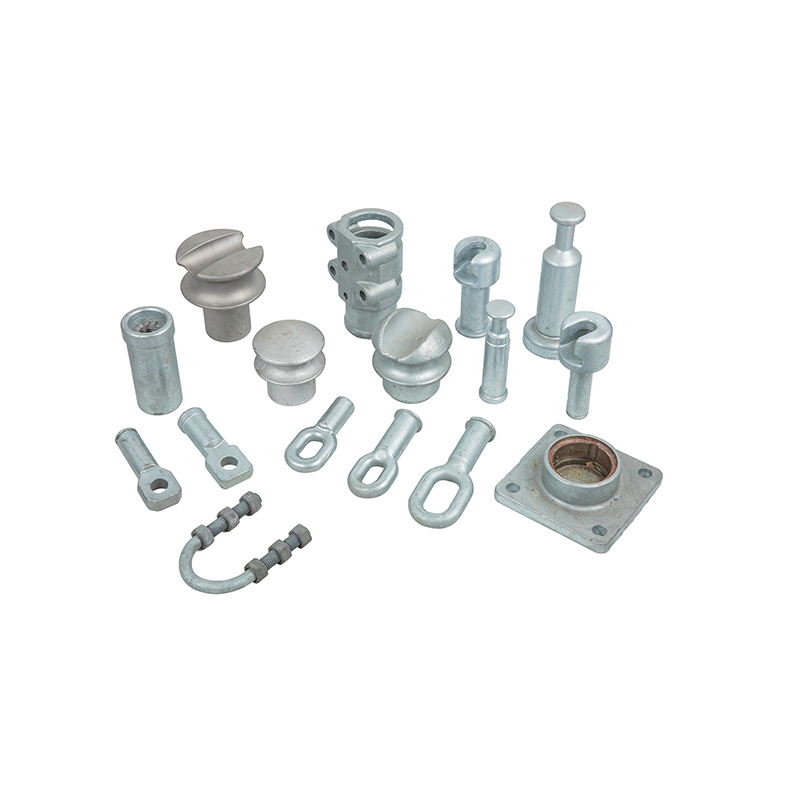
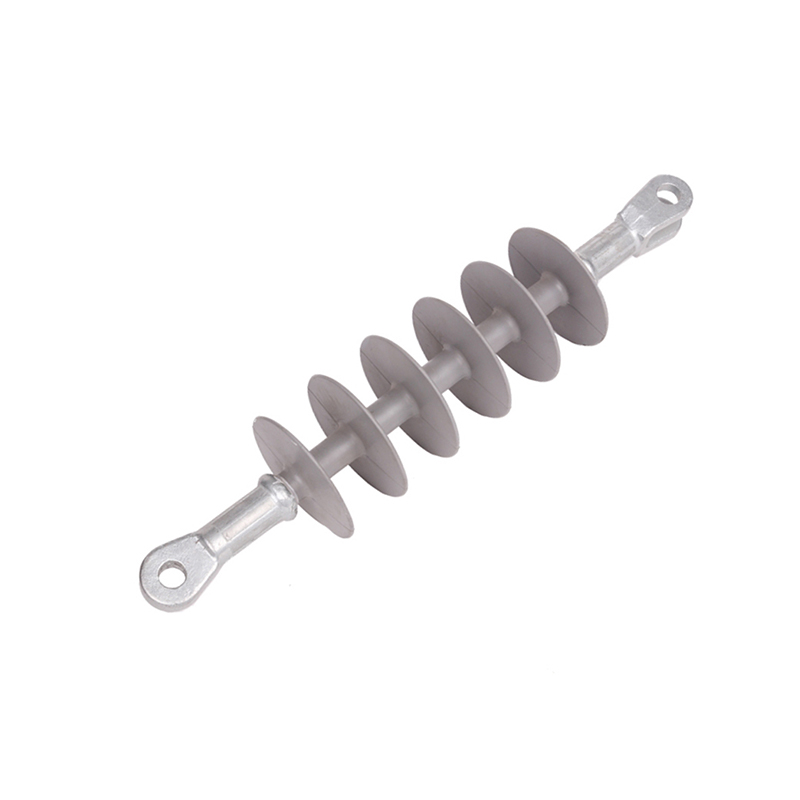
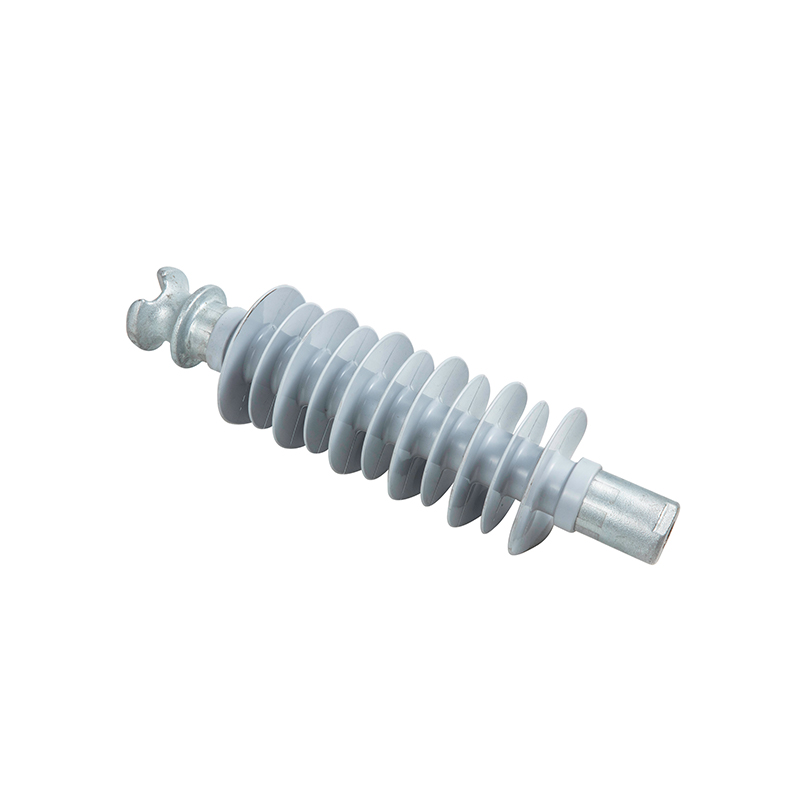
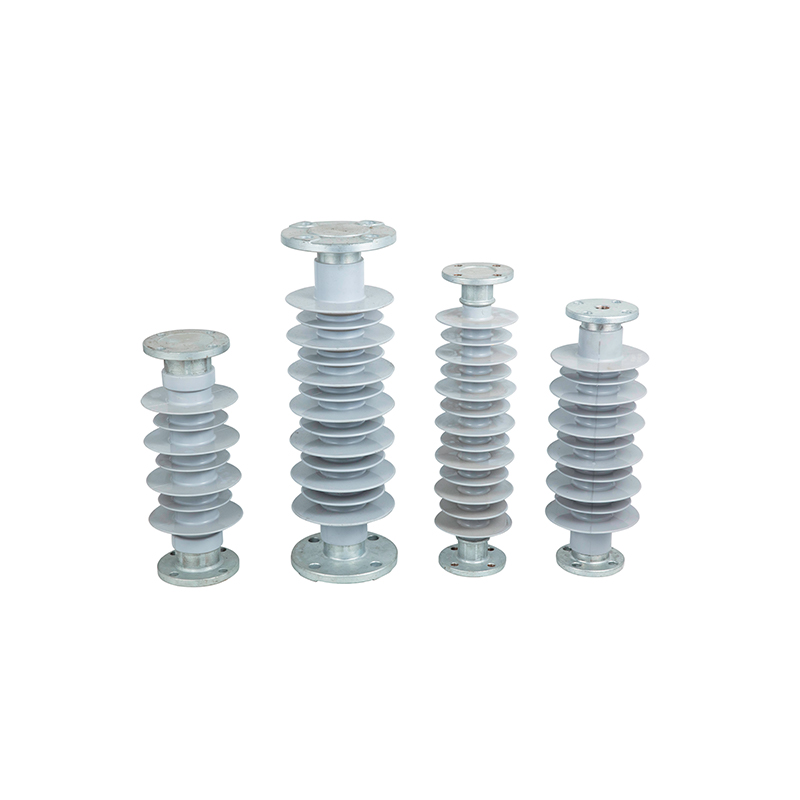
Metal end fittings are the various metal accessories used together with insulators inside power systems. They are core components on overhead transmission lines, distribution lines, and substations, and their job is to connect, secure, and suspend insulators in relation to conductors, towers, and poles. Without them, an insulator string is just a chain of ceramic, glass, or composite units with nowhere to attach and nothing to carry the mechanical load.
Every fitting on a line is doing one or more of five jobs at once. The cards below break the function down so it is easier to see which job a given fitting on a bill of materials is actually performing.
Links insulators with conductors, towers, cross-arms, or other fittings to establish an electrical pathway.
Anchors conductors and insulators so they hold position under tension, wind load, and ice load.
Lets insulator strings hang freely, usually through interlocking ball and socket fittings, which simplifies install and swap-out.
Shields conductors and insulators from abrasion, vibration, and impact damage over the life of the line.
Optimizes electric field distribution and adds lightning protection to keep the line operating safely.
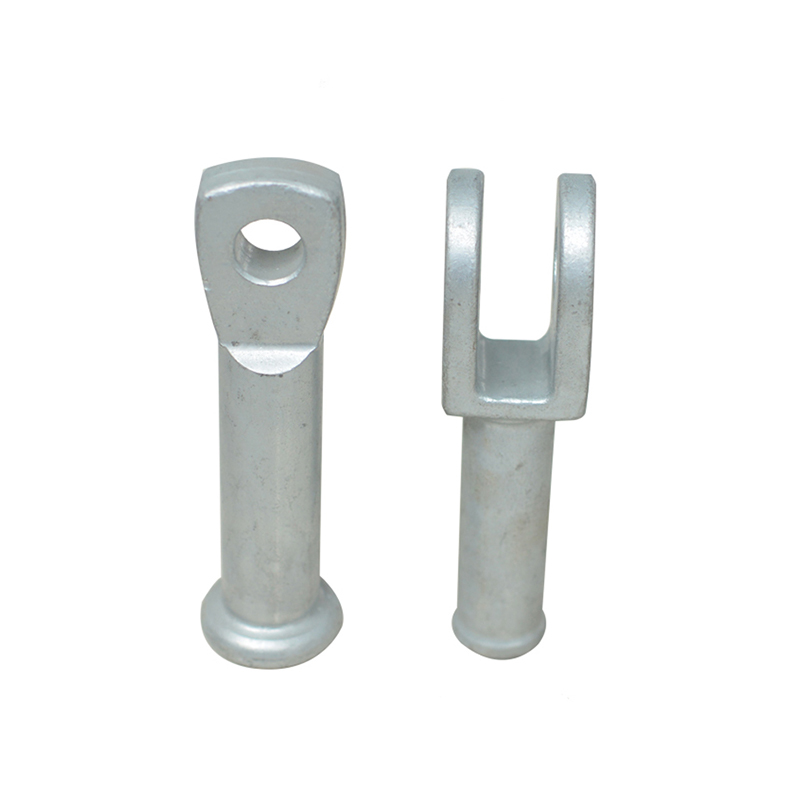
Fittings are generally grouped by how they carry load rather than by shape alone. AC fittings connect insulator strings to towers or conductors on AC lines and include ball and socket fittings, clevis fittings, and right-angle plates. DC fittings serve ultra-high-voltage DC lines and are typically built heavier, with more attention to corona and corrosion resistance. Ring-type fittings, shaped like an O or a D, act as connecting or turning rings that change the direction of a conductor or string. Single and double ear fittings use ear-plates or ring structures to join tower cross-arms to insulator strings, and tension fittings and splicing fittings handle the pulling load and the joining of conductors respectively.
Choosing correctly starts with two questions: what load path does the fitting sit on, and what environment will it face for the next twenty or thirty years. Everything else, including material grade and surface treatment, follows from those two answers.
A tangent tower carrying only the vertical weight of a conductor calls for a suspension-type fitting, while a line angle or a dead-end structure that has to hold the full tensile pull of the conductor needs a tension or strain fitting instead. Mixing these up is one of the more common design errors, because a suspension fitting is not built to carry the horizontal pulling force that a tension fitting is engineered for.
Material choice is where corrosion resistance, weight, and mechanical strength get balanced against the site conditions. The table below lines up the main material options used across insulator, power, and railway fittings.
| Material | Main Strength | Typical Use Case |
| Hot-Dip Galvanized Steel | High tensile strength, dependable rust protection | Overhead transmission and distribution lines, towers |
| Aluminum Alloy | Lightweight with solid conductivity | Substation equipment fittings, lighter hardware runs |
| Stainless Steel | Superior corrosion resistance | Coastal sites, high-humidity and salt-spray zones |
| Titanium Alloy | Highest corrosion and heat tolerance | Specialized or extreme-environment installations |
Four checks separate a reliable fitting from a risky one: dimensional inspection against the design drawing, galvanizing layer thickness measurement to confirm anti-corrosion performance, hardness testing to verify mechanical strength, and tensile testing to confirm ultimate tensile strength and breaking load with an adequate safety margin. Asking a supplier for test records on these four points before shipment is a simple way to reduce field failures.
Taizhou HuaDong Insulated Material Co., Ltd. groups its metal end fittings into three lines built around where they are installed. Each category below links through to full specification pages.
Insulator, power, and railway fittings manufactured at the same Jiangsu facility, sized for different points on the network.
These two categories overlap in material and manufacturing but differ in the specific job each one is built to do, and the difference matters when a buyer is drafting a bill of materials.
| Point of Comparison | Insulator Fittings | Power Fittings |
| Primary Role | Support and secure conductors and insulators together as an assembly | Secure, connect, and protect conductors, ground wires, and equipment |
| Common Types | Suspension clamps, tension clamps, U-shackles, ball-eye fittings | Splicing sleeves, parallel-groove clamps, vibration dampers, grading rings |
| Where It Sits | Directly on the insulator string, between string and tower or conductor | Along the conductor run, at joints, and at guy wires and equipment supports |
| Best Fit For | Tangent and tension towers where insulator strings need assembly hardware | Full line runs needing splicing, tension adjustment, or vibration control |
In practice, most projects use both. Insulator fittings handle the string assembly, and power fittings handle everything from splicing the conductor to protecting it against vibration and lightning further down the line.
On a high-voltage AC line, ball-and-socket fittings and clevis fittings do most of the connecting work between insulator strings and towers, chosen because they interlock without loose play and are simple to inspect from the ground. Right-angle plates handle direction changes at corners. On ultra-high-voltage DC lines, the same functional categories apply, but the fittings are built more robustly, with extra attention given to corona resistance and corrosion resistance, since DC corona behavior and long unmanned line sections both raise the bar for reliability.
Tension fittings carry the full pull of the conductor at dead-end and angle structures and need a wide enough safety margin to survive ice loading and wind events without deforming. Splicing fittings, such as parallel-groove clamps, join conductors together as an alternative to compression sleeves, and are chosen based on conductor diameter and the current the joint has to carry without overheating. For any high-voltage span, the surface treatment matters as much as the base metal, because hot-dip galvanizing is what keeps these fittings functional through years of humidity, salt spray, and temperature swings outdoors.
Railway fittings solve a different problem from transmission line fittings, because a rail track has to survive repeated heavy impact loads without shifting position, and an electrified line also needs a contact wire that stays correctly tensioned along its full length. The table below groups railway fittings by the scenario a buyer is likely sourcing for.
| Scenario | Fitting Category | Example Parts |
| Securing rail to sleepers | Fastening Systems | Rail clips, rail plates, track bolts, railway spikes |
| Absorbing vibration and impact | Padding and Cushioning | Rail pads, rubber pads |
| Keeping track gauge standard | Adjustment Components | Gauge blocks, sleeper inserts |
| Tensioning guy wires | Guy Wire Fittings | UT-type clamps, wedge clamps, turnbuckles |
| Overhead contact wire electrification | Electrical Fittings | Suspension clamps, tension clamps, splicing fittings |
Every one of these parts is judged against the same four standards before it is approved for an active line: high strength to survive train impact forces, durability against long-term outdoor corrosion, reliability so connections do not loosen over time, and standardization so replacement and maintenance stay efficient at scale.
How a fitting gets installed can rule out certain designs before material or load even comes into the discussion. Bolted connections use bolts and nuts to secure a fitting to insulators, towers, poles, or conductors, and are the easiest to inspect and replace. Crimped connections use a crimping machine to form a permanent mechanical and electrical bond, common where conductors meet splicing or tension fittings. Pinned connections use pins to hold ring-type or clevis-type fittings together, which is what makes ball-and-socket suspension so quick to assemble and disassemble in the field. Suspension and hook connections, the same ball-and-socket pairing referenced earlier, remain the standard for hanging insulator strings because they combine flexibility with a simple visual check.
Choosing the right metal end fitting is ultimately a short checklist rather than a complex decision: confirm the load path, confirm the outdoor environment, match material and coating to that environment, and confirm the installation method fits the crew and equipment on site. Insulator fittings, power fittings, and railway fittings each answer a different part of that checklist, and a project that gets all three right typically avoids the loosening, corrosion, and fatigue problems that shorten the service life of an overhead or rail line.
Contact Us

jszn@vip.163.com
jsthim@188.com

0086 523-88026699
0086 523-88665172



Quick Links
Product Categories
Message Us Now !