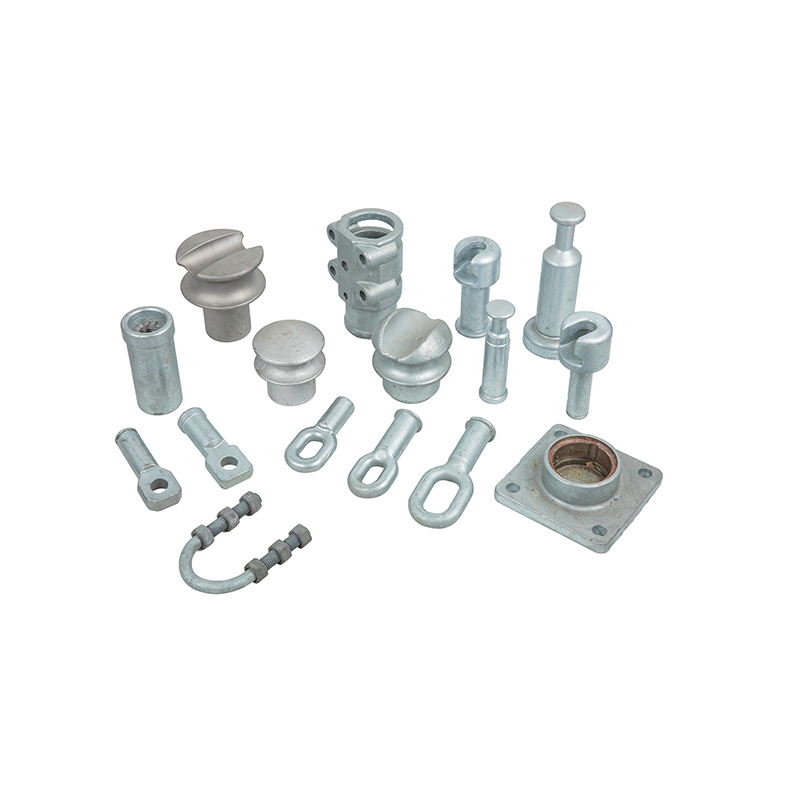
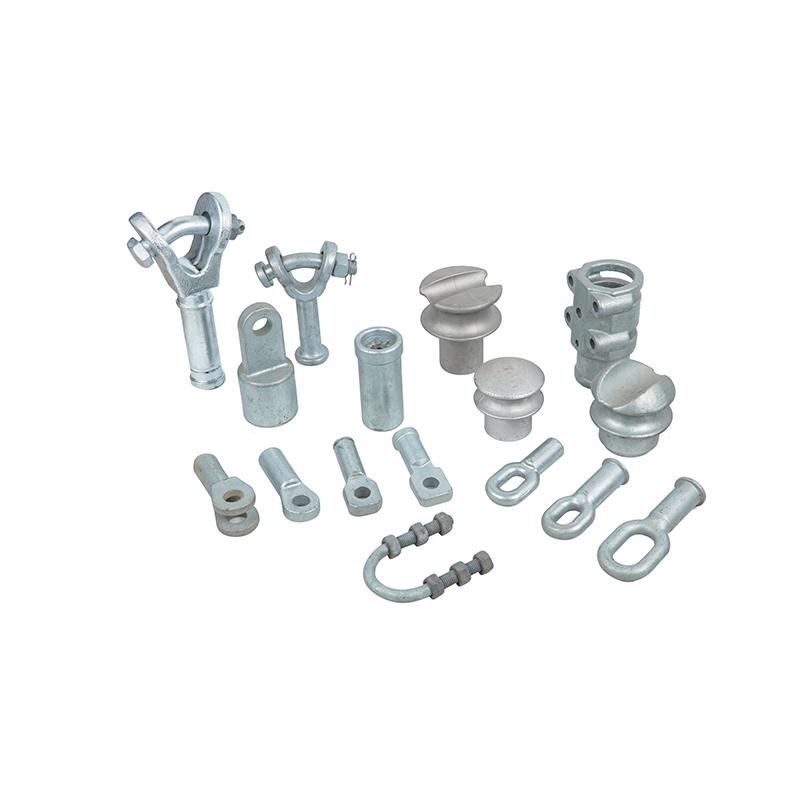
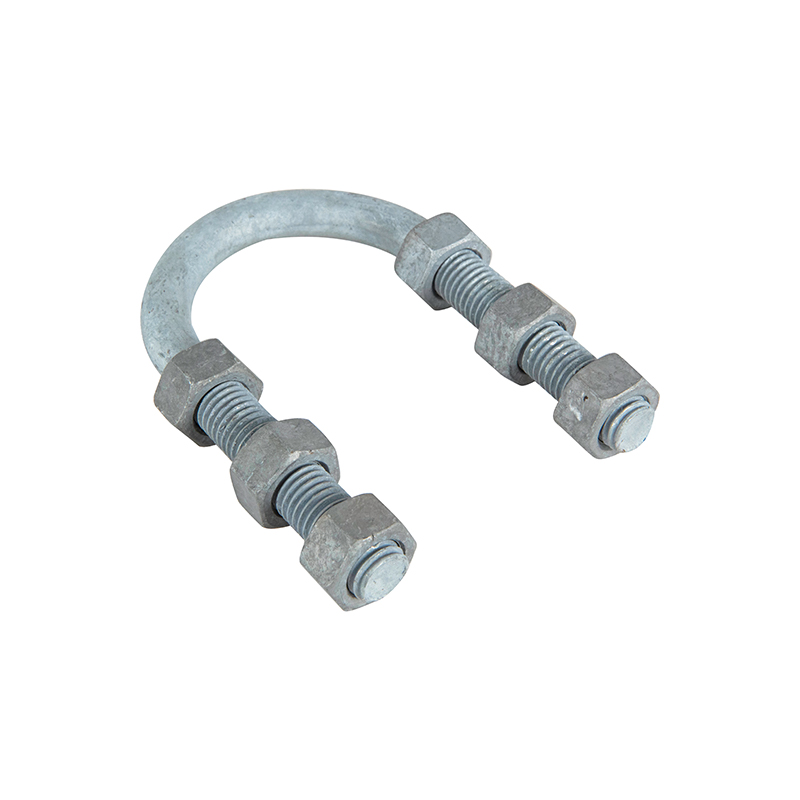
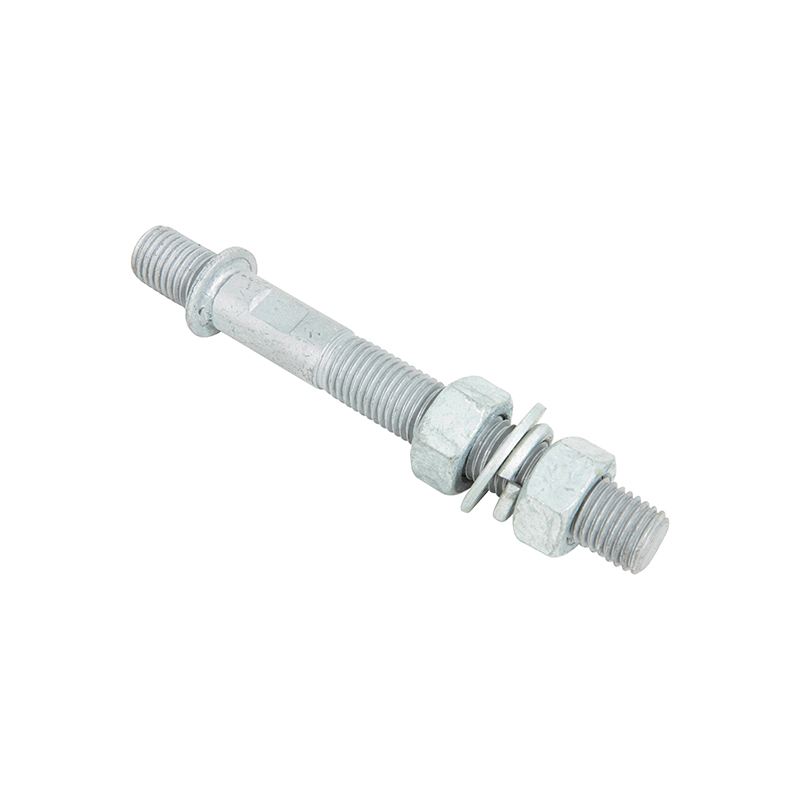
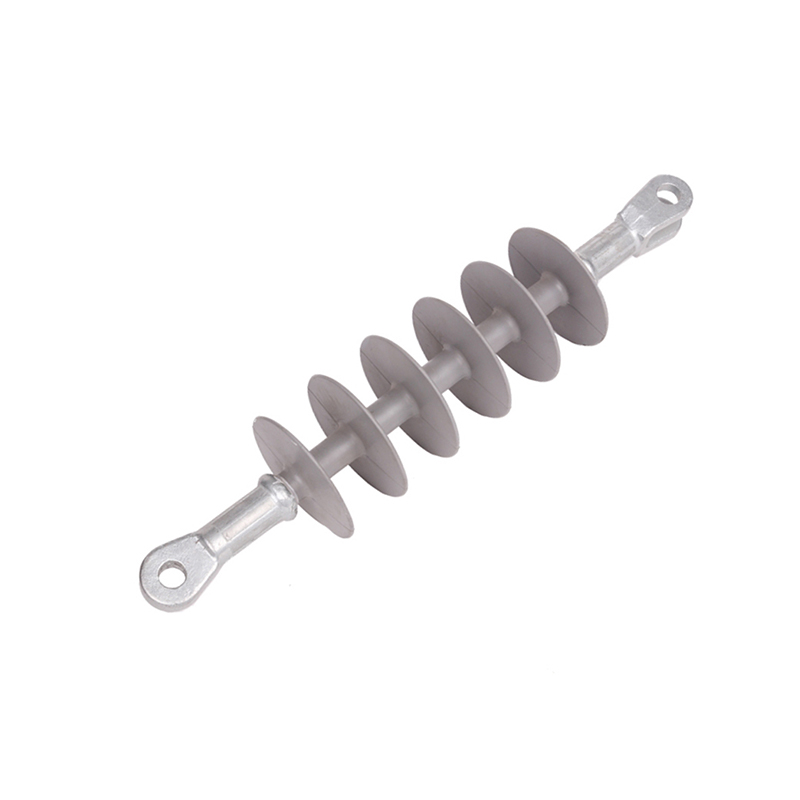
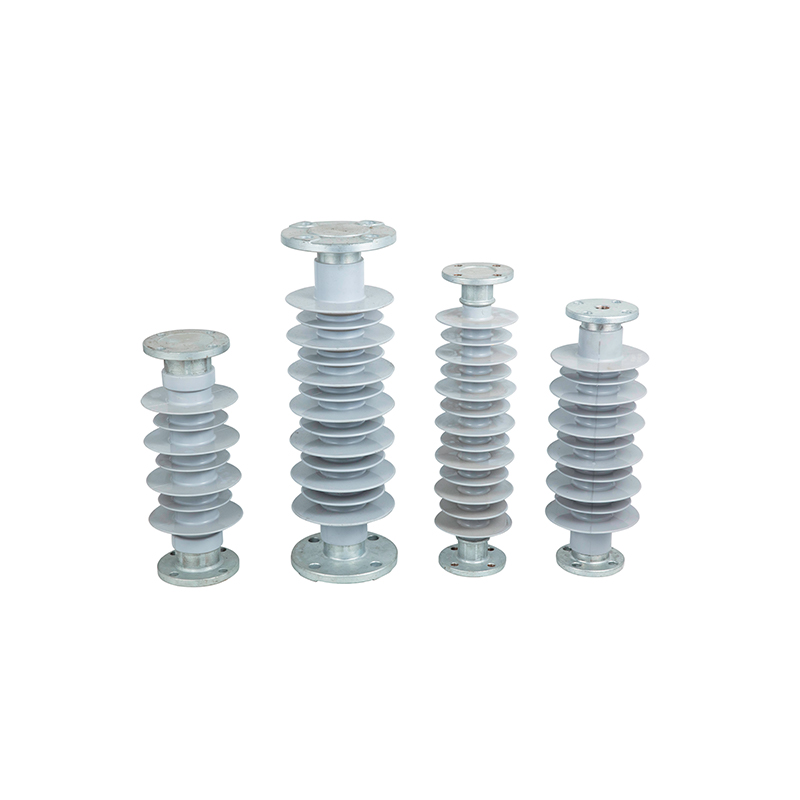
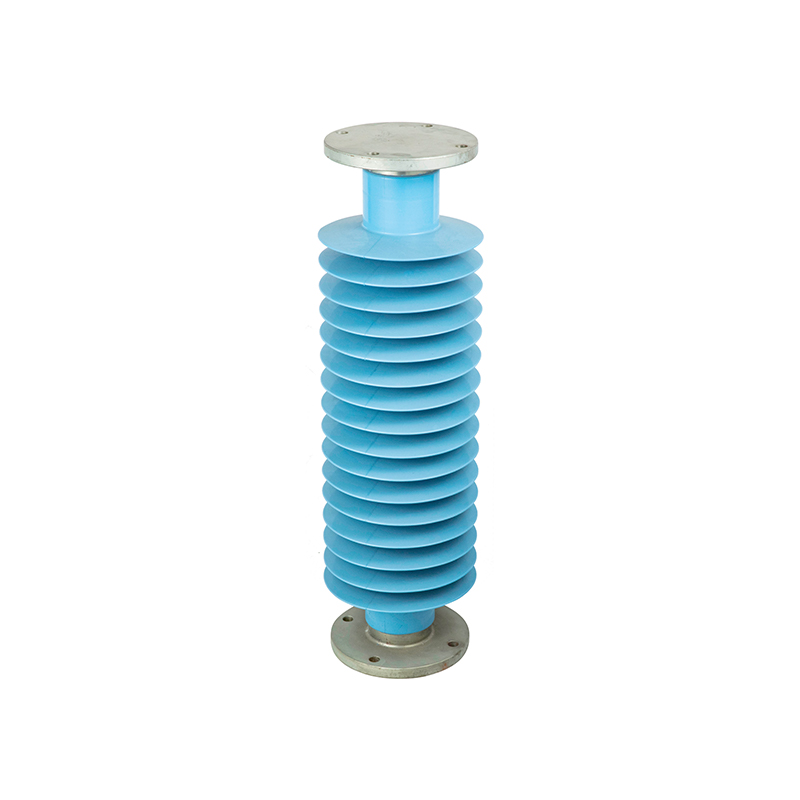
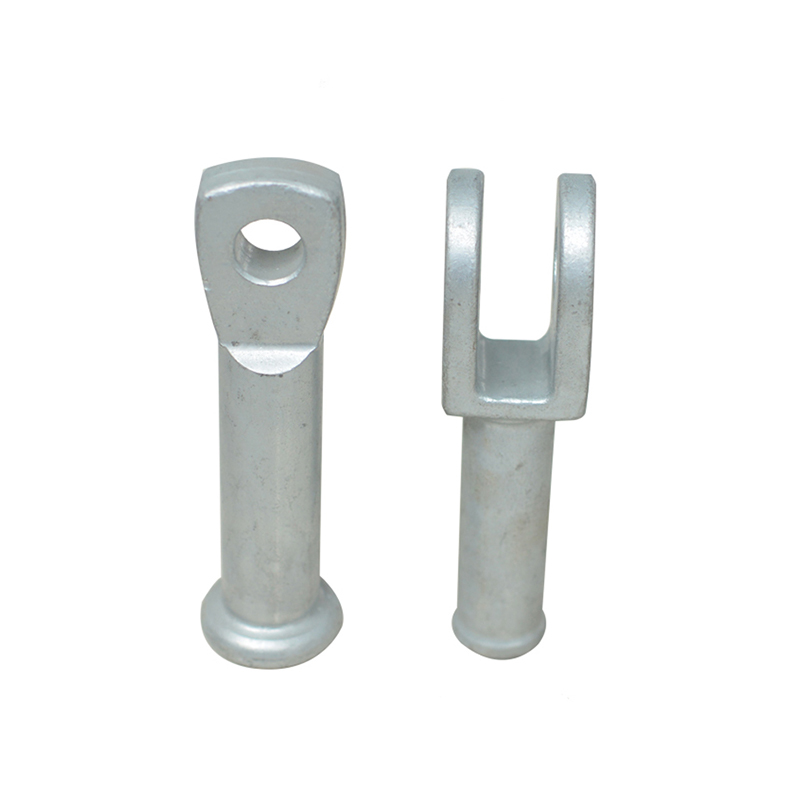
Power fittings are a collective term for the various metal accessories used to secure, connect, and protect conductors, ground wires, insulator strings, and various pieces of electrical equipment. Typically manufactured from metals—such as steel, aluminum, or copper—these components are processed and shaped to perform a variety of connection and support functions within power transmission and distribution lines.
Key Functions The core functions of power fittings can be summarized in the following aspects: 1. Support and Fixing: To secure conductors, ground wires, or insulator strings to utility poles, transmission towers, or cross-arms, enabling them to withstand the self-weight of the conductors as well as various external forces. Fittings in this category—such as suspension clamps and tension clamps—serve to provide both support and fixation. 2. Connection: To establish reliable connections between conductors, between conductors and insulators, or between conductors and equipment, thereby ensuring the continuity of power transmission. Examples include splicing sleeves and parallel-groove clamps. 3. Protection: To protect conductors from abrasion, corrosion, or lightning strikes. Fittings such as vibration dampers, grading rings, and anti-vibration whips effectively safeguard the conductors and enhance the overall safety of the power line. 4. Adjustment: To adjust line parameters—such as tension and sag—ensuring that the power line operates in an optimal state. For instance, fittings like UT-type clamps can be used to adjust the tightness of guy wires.
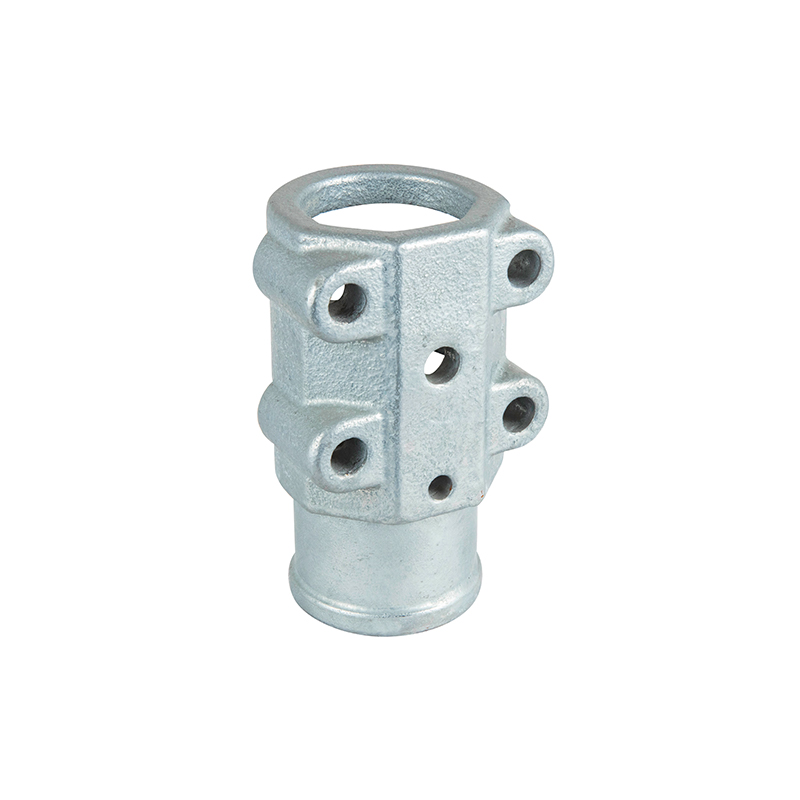
Common Types 1. Suspension Fittings: Used to suspend conductors from poles or towers, bearing the vertical load of the conductors; examples include suspension clamps and suspension rings. 2. Tension Fittings: Used at line angles or terminal points to withstand the full tensile force of the conductors; examples include tension clamps and ball-eye fittings. 3. Connection Fittings: Used to establish connections between conductors, or between conductors and equipment; examples include compression sleeves, parallel-groove clamps, and terminal connectors. 4. Protection Fittings: Used to protect conductors, insulators, and other components from damage; examples include vibration dampers, grading rings, and shielding rings. 5. Guy Wire Fittings: Used for the connection and securing of guy wires (stay wires) attached to poles or towers; examples include guy rods and UT-type clamps. 6. Equipment Fittings: Used for connecting substation equipment, such as isolator supports, surge arrester supports, etc.
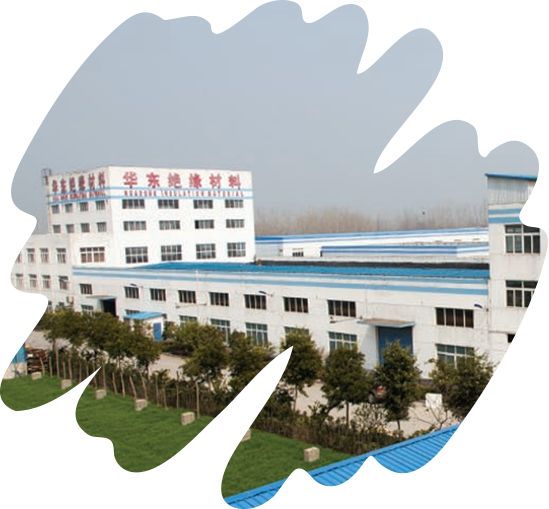
As China Power Fittings Manufacturers and Power Fittings Company, Taizhou HuaDong Insulated Material Co., Ltd (FORMER Yangzhou Dajieshi FRP products Co., Ltd), which was founded in October in 1994.
Our company is mainly engaged in the production of FRP ROD profiles, related terminal parts and accessory products. The terminal and accessories products such as various types of composite insulators, silicone rubber insulator fittings, line fittings and so on.The epoxy fiberglass core we produce as an intermediate connector and insulating parts is widely used in all fields and many kinds of composite insulator production. The profiles and composite insulators are widely used in electric power electronics and electrical railways. In the construction, automotive and environmental protection field IHIM products arewidely sales in North and South America.Africa.Asia. Europe ete such as USA.Kenya. Korea.India, Vietnam, Iran, Russia, Germany.Romania and other countries and vast areas in our country. THIIM is becoming a well-known supplier for insulation products field globally.
A composite insulator that fails in service rarely fails because the silicone housing was the wrong color. It fails because the fiberglass core inside it was selected, manufactured, or handled without enough attention to the details that actually control mechanical strength and ...
An overhead railway line is only as reliable as its least visible component. The railway insulator, often taken for granted, is the hard-working barrier that keeps high-voltage current in the catenary wire and away from masts, bridges and maintenance crews. Choosing the wrong in...
At 6:40 on a weekday morning, the 27.5 kV feeder inside a busy urban tunnel loses insulation. The pantograph drops, the train glides to a halt, and every service behind it stacks up. In most cases the failed component is not the feeder cable or the circuit breaker, but the railw...
Power fittings are the metal accessories that hold high-voltage power lines together, keeping conductors, ground wires and insulator strings properly secured, connected and protected along every span of a transmission or distribution route. Made from steel, aluminum or copper and shaped through precision processing, power fittings carry out the support, connection, protection and adjustment work that a bare conductor cannot do on its own. Taizhou HuaDong Insulated Material Co., Ltd supplies a full range of power fittings from its production base in Jiangsu, China, serving power utilities and infrastructure contractors that need dependable hardware for overhead lines.
What Power Fittings Actually Do
Every power fitting on a transmission tower or utility pole is doing one of four jobs. Taizhou HuaDong groups its power fittings around these four core functions so that engineers can specify the correct part for the correct location on the line.
Support and Fixing
Secures conductors, ground wires or insulator strings to poles, towers or cross-arms so they can withstand self-weight and external loads. Suspension clamps and tension clamps fall into this group.
Connection
Establishes reliable joints between conductors, between conductors and insulators, or between conductors and equipment, keeping power transmission continuous. Splicing sleeves and parallel-groove clamps are typical examples.
Protection
Shields conductors from abrasion, corrosion and lightning strikes. Vibration dampers, grading rings and anti-vibration whips are the fittings assigned to this protective role.
Adjustment
Fine-tunes line parameters such as tension and sag so the line runs at its optimal state. UT-type clamps, for example, are used to adjust the tightness of guy wires.
Common Types of Power Fittings
Within these four functions, Taizhou HuaDong organizes its power fittings catalog into six recognized categories. The table below lists each type, what it is used for, and the specific fittings that belong to it.
Category
Application
Typical Fittings
Suspension Fittings
Suspend conductors from poles or towers, bearing the vertical load
Suspension clamps, suspension rings
Tension Fittings
Used at line angles or terminal points to withstand full tensile force
Tension clamps, ball-eye fittings
Connection Fittings
Join conductors, or connect conductors to equipment
Guard conductors, insulators and other components from damage
Vibration dampers, grading rings, shielding rings
Guy Wire Fittings
Connect and secure guy wires (stay wires) attached to poles or towers
Guy rods, UT-type clamps
Equipment Fittings
Connect substation equipment
Isolator supports, surge arrester supports
Materials and Manufacturing Focus
Power fittings from Taizhou HuaDong are processed from steel, aluminum or copper, with the metal selected and shaped according to the connection or support function the fitting needs to perform. Because the same production base also makes the epoxy fiberglass core rods used as intermediate connectors and insulating parts inside composite insulators, Taizhou HuaDong is able to supply power fittings alongside the insulator hardware they are installed with, rather than treating metal fittings as a separate, disconnected product line.
Related Product Lines from Taizhou HuaDong
Power fittings sit within a broader metal end fittings category on the Taizhou HuaDong product range, alongside railway fittings and insulator fittings. Buyers sourcing power fittings from Taizhou HuaDong frequently pair them with the following related products.
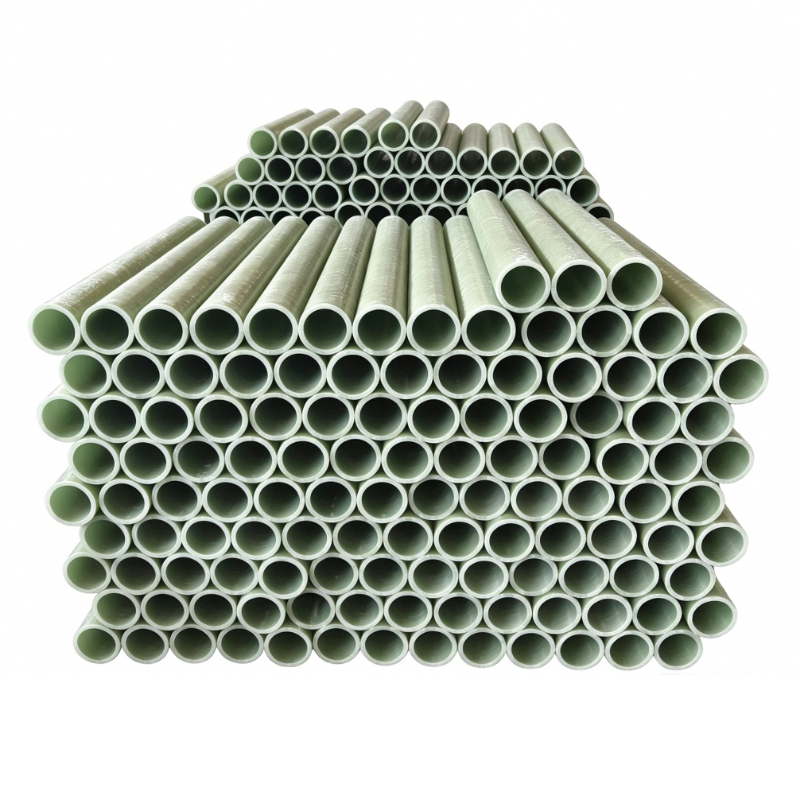
Insulator core rod and epoxy rod — FRP rod components used as the insulating core inside composite insulators
Composite suspension insulator and railway insulator — insulator products designed to work with suspension and connection fittings
Railway fittings — the metal end fitting line for electrified railway applications
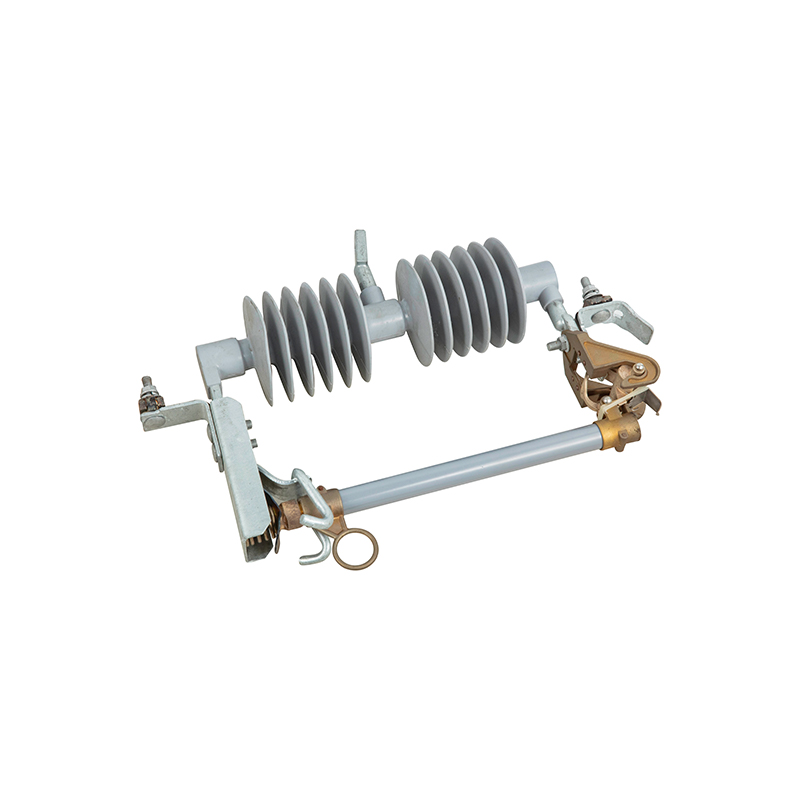
24KV and 35KV cutout fuse — protection equipment for distribution substations
Frequently Asked Questions
What metals are power fittings made from
Power fittings are typically manufactured from steel, aluminum or copper. Taizhou HuaDong processes and shapes these metals into the connection, support and protection components used on power transmission and distribution lines.
What is the difference between suspension and tension fittings
Suspension fittings bear the vertical load of a conductor along a straight span, while tension fittings are installed at line angles or terminal points to withstand the full tensile pull of the conductor.
Which fittings protect a line from lightning and vibration damage
Protection fittings such as vibration dampers, grading rings and shielding rings are used to guard conductors, insulators and other line components from abrasion, corrosion and lightning strikes.
How are guy wires kept tight on a utility pole
Guy wire fittings including guy rods and UT-type clamps connect and secure guy wires to poles or towers, and UT-type clamps in particular allow the tightness of the guy wire to be adjusted.
Does Taizhou HuaDong export power fittings outside China
Yes. Taizhou HuaDong sells power fittings and related insulation products across North and South America, Africa, Asia and Europe, with confirmed customers in the USA, Kenya, Korea, India, Vietnam, Iran, Russia, Germany and Romania.
How long has Taizhou HuaDong been manufacturing power fittings
The company was founded in October 1994 under the name Yangzhou Dajieshi FRP Products Co., Ltd and has operated continuously since then as Taizhou HuaDong Insulated Material Co., Ltd.
Are power fittings used only on transmission towers
No. Beyond transmission towers, power fittings are also used on distribution poles and for connecting substation equipment such as isolator supports and surge arrester supports.
What fittings are used to splice or connect two conductors
Connection fittings such as compression sleeves, parallel-groove clamps and terminal connectors are used to join conductors to each other or to equipment while maintaining reliable electrical continuity.