1. Main structural components
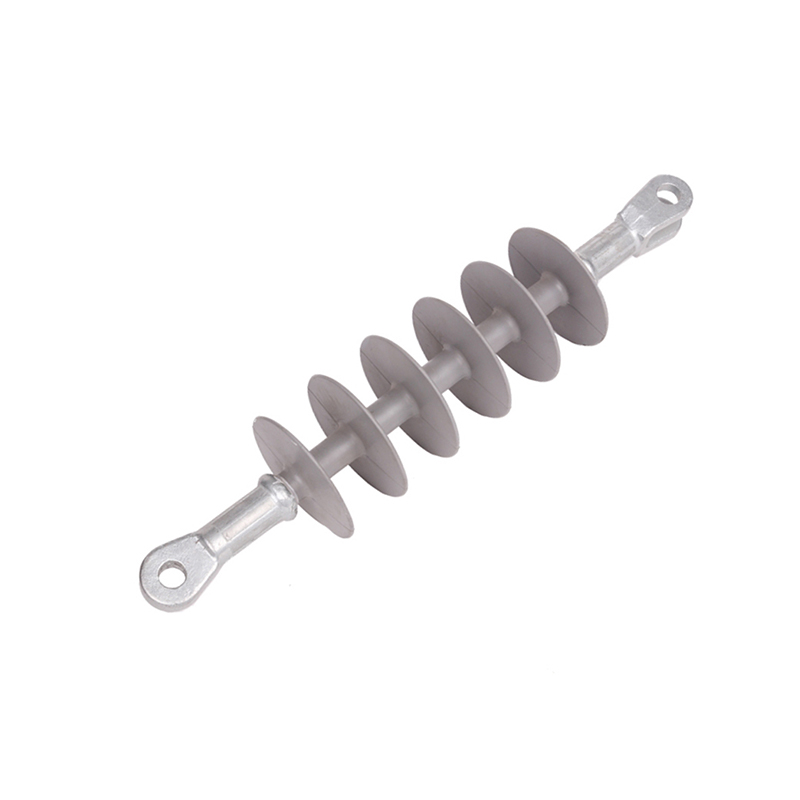
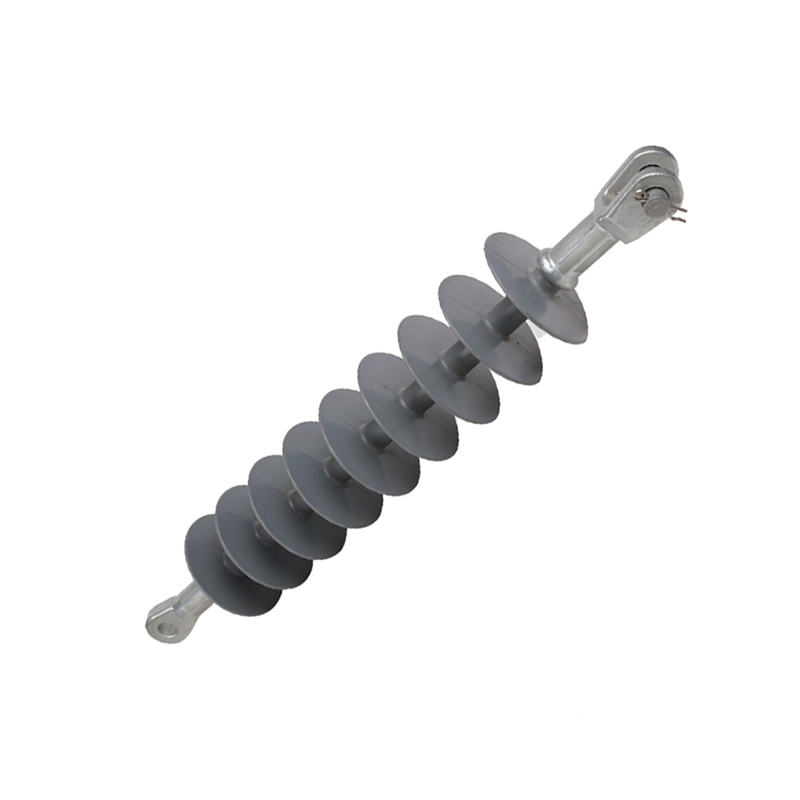
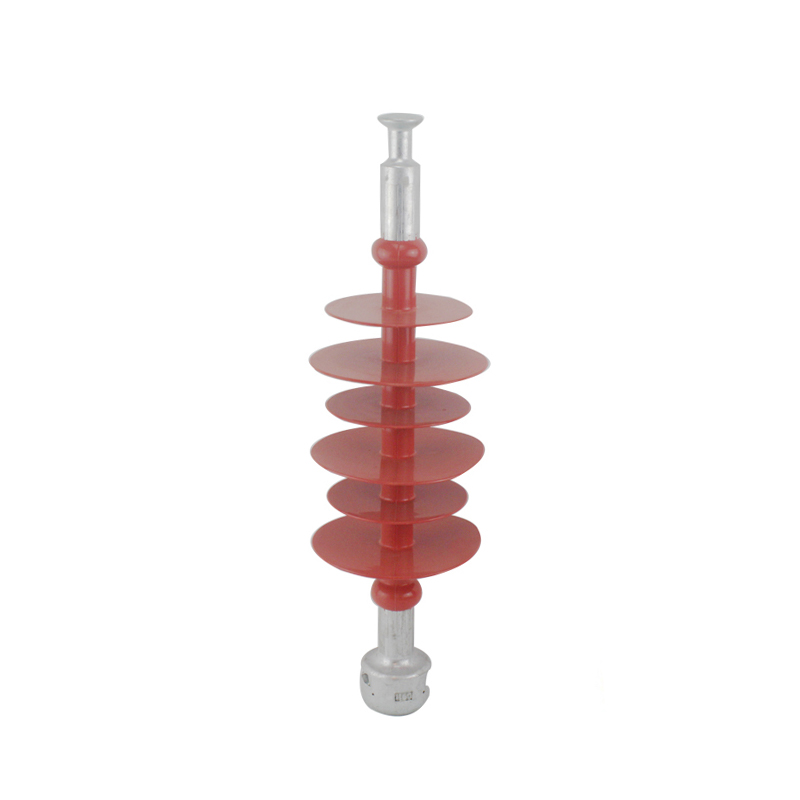
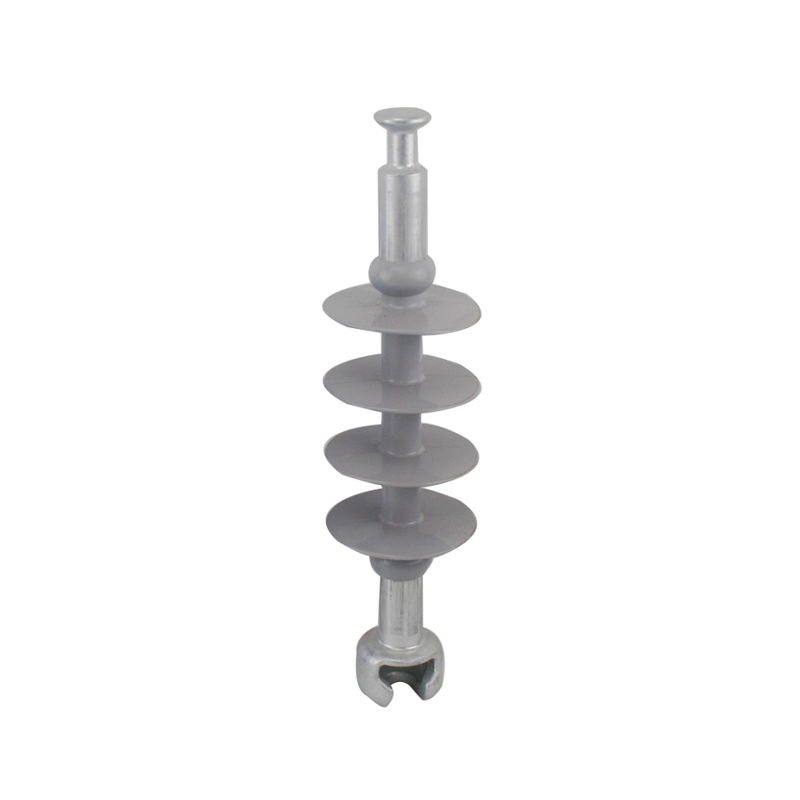
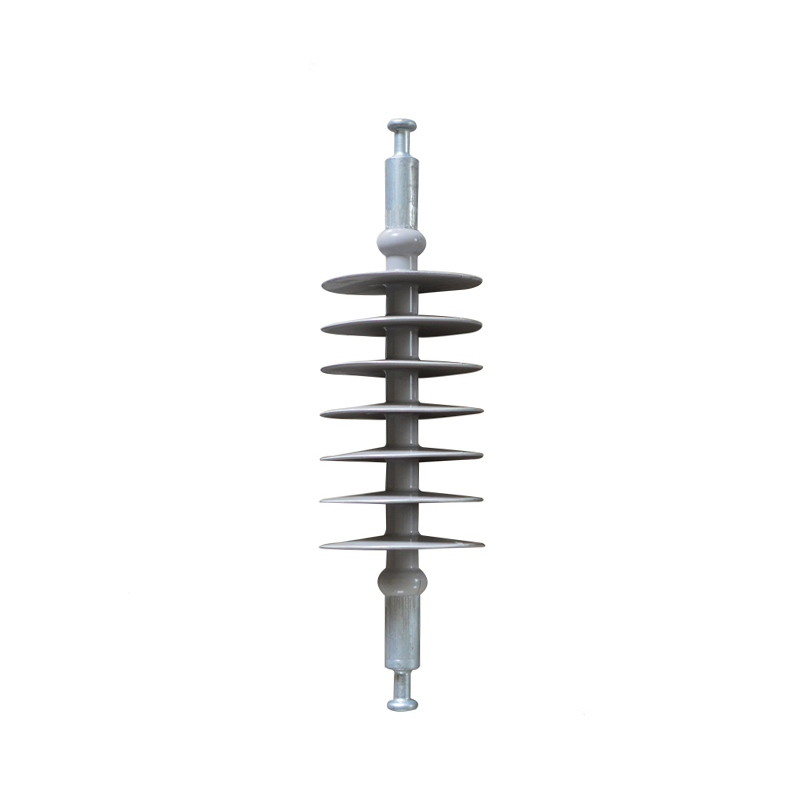
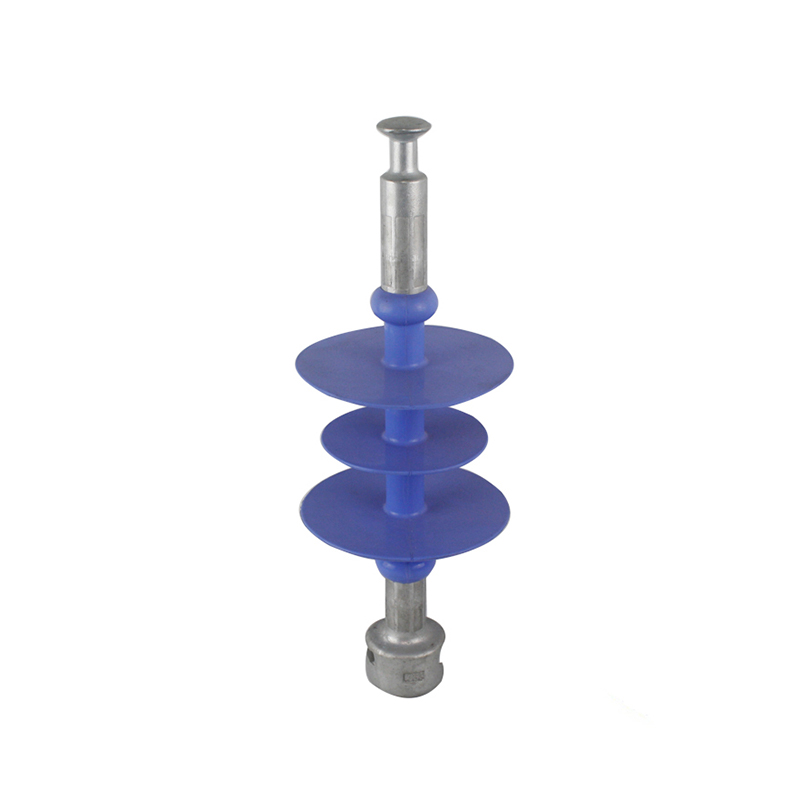
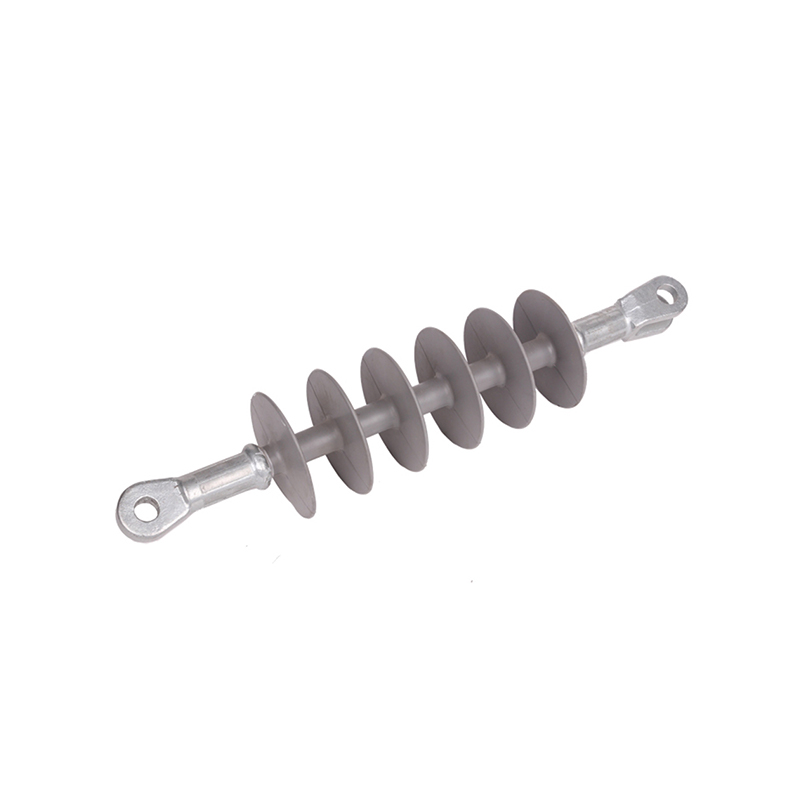
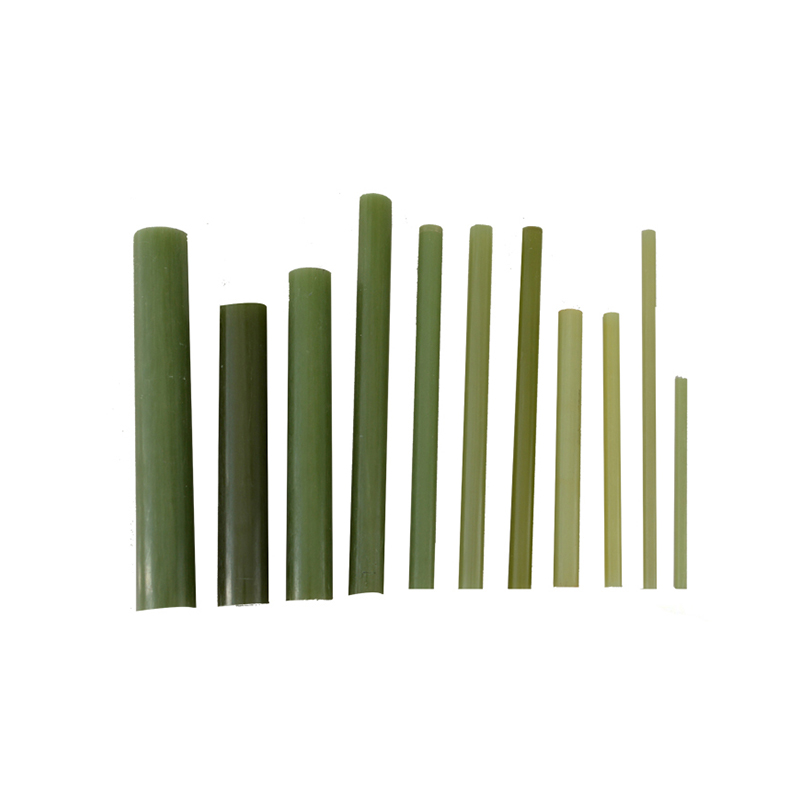
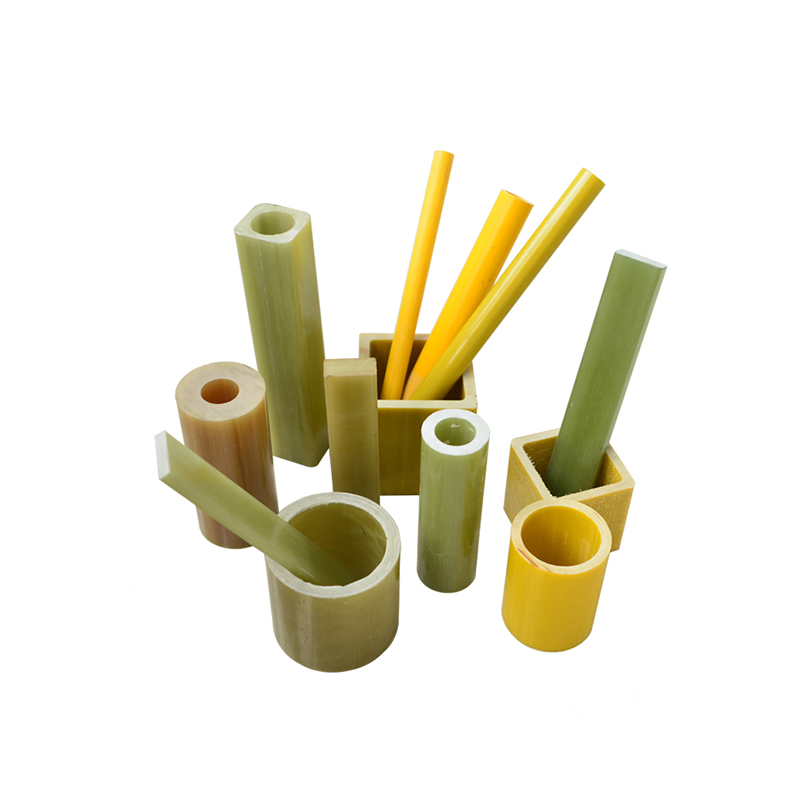
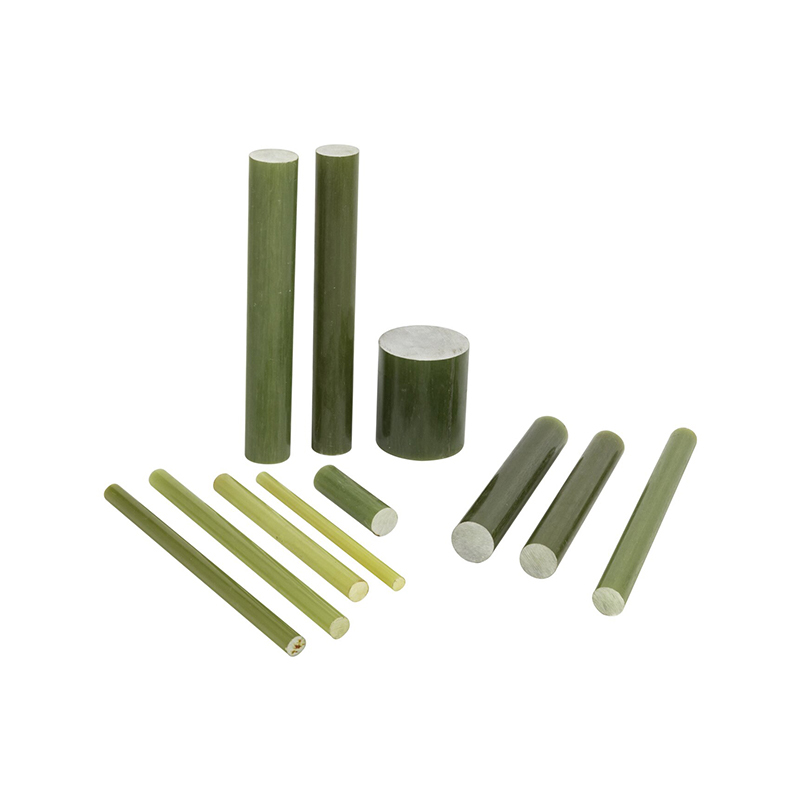
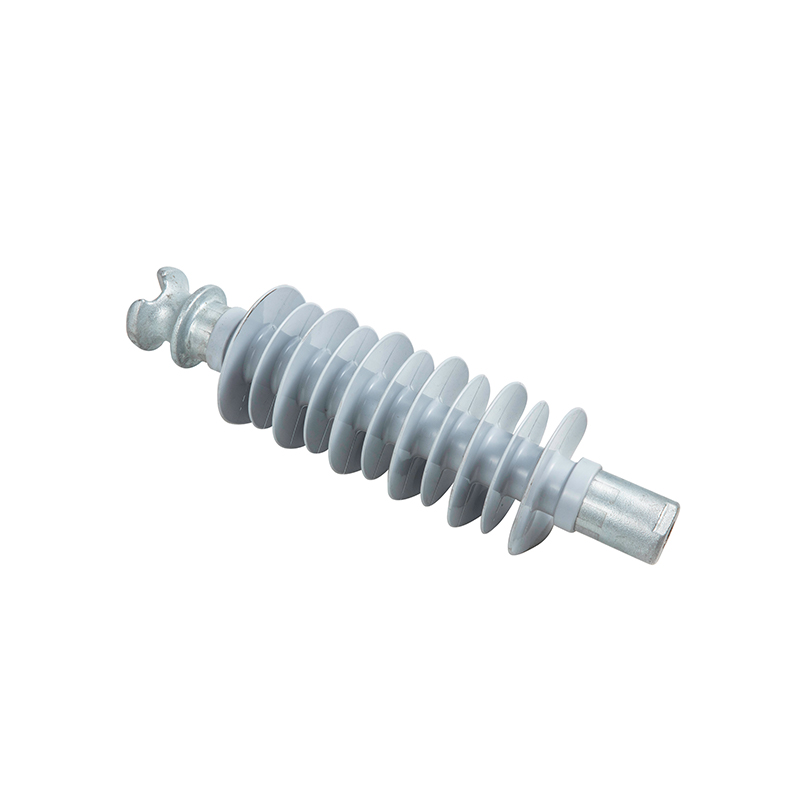
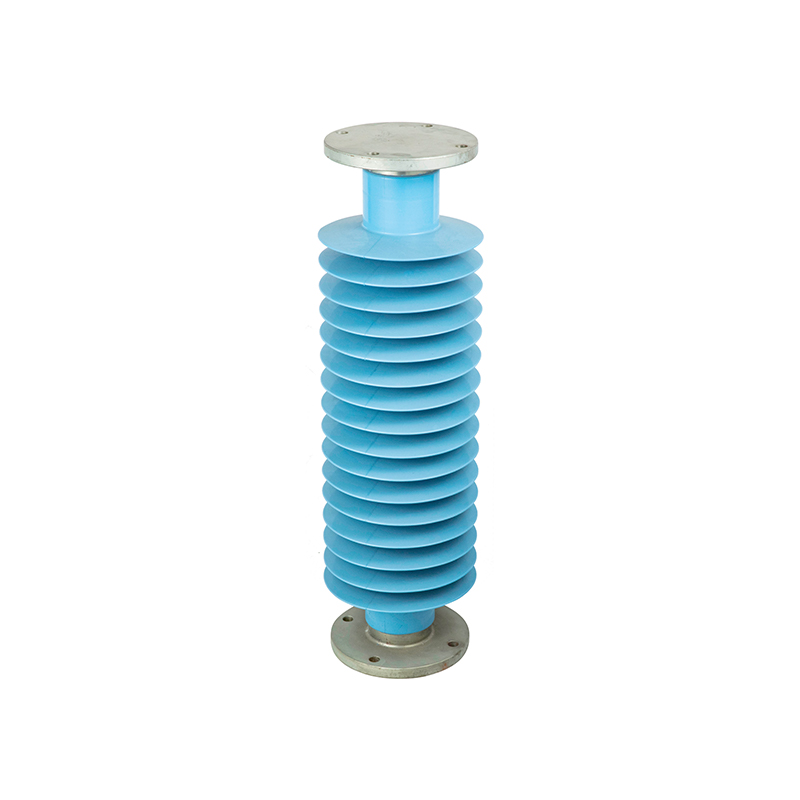
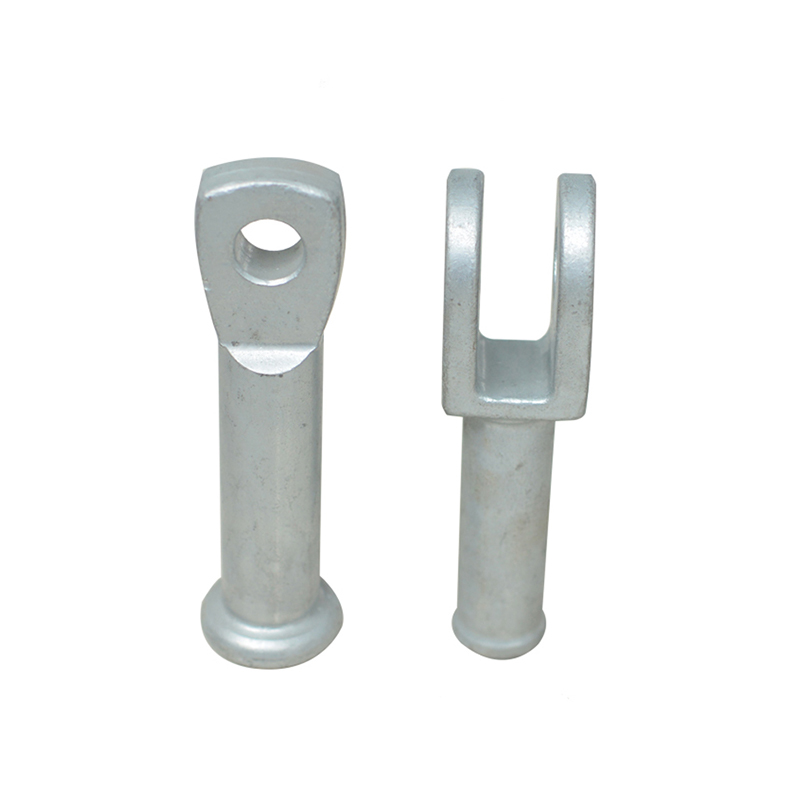
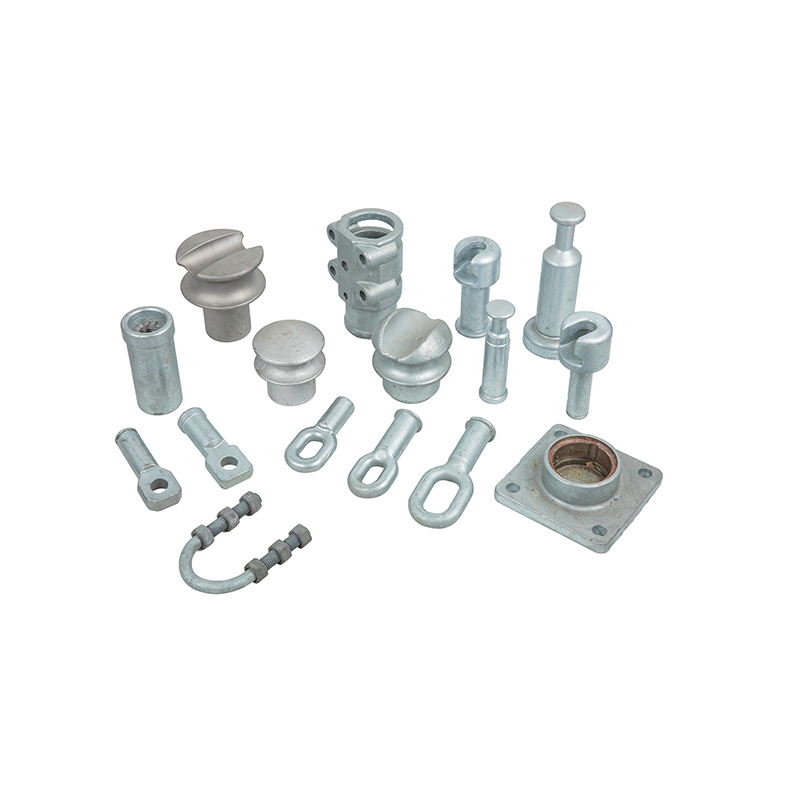
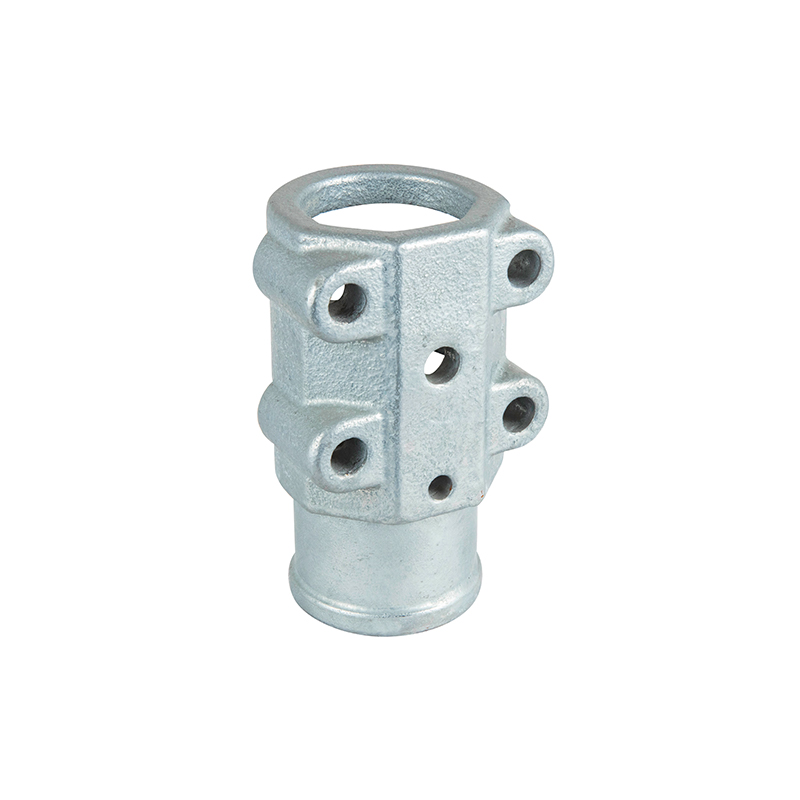
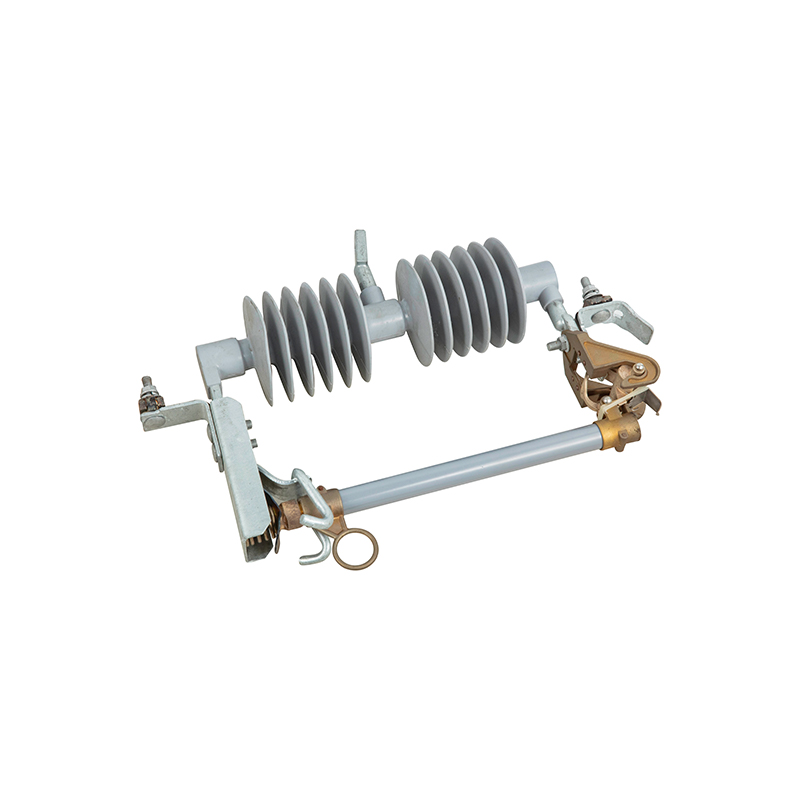
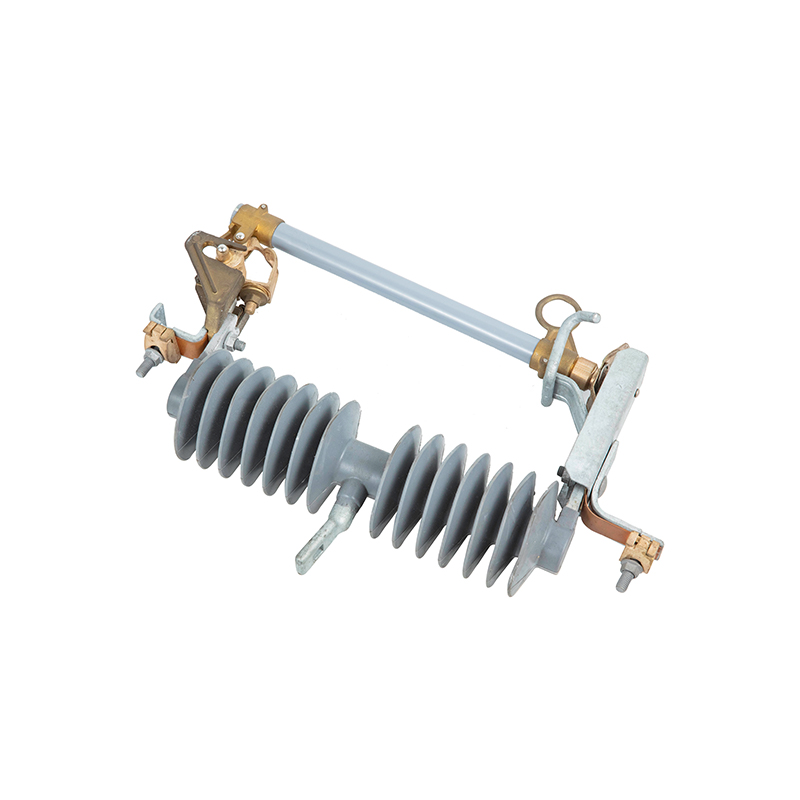
A composite suspension insulator consists of three parts. The core rod is located in the center and is made of acid-resistant and high-temperature-resistant epoxy glass fiber rods. As the main load-bearing component of the insulator, it withstands mechanical tension and has the characteristics of high strength, high elastic modulus, corrosion resistance, and aging resistance. The umbrella skirt is wrapped around the outside of the core rod and is usually made of silicone rubber material. The surface has multiple ring-shaped or disc-shaped structures, showing an umbrella-shaped appearance with three sizes of large, medium, and small arranged alternately. This design can effectively increase the creepage distance and improve anti-fouling flashover performance. The surface of the umbrella skirt also has concave and convex textures or grooves to enhance hydrophobicity and drainage. The hardware is located at both ends, usually made of hot-dip galvanized steel or stainless steel, with a rare-earth aluminum coating on the surface. It is connected to the mandrel through an advanced crimping process to ensure a reliable connection and avoid disconnection due to stress concentration or corrosion.
2. Installation method and usage characteristics
Composite suspension insulator adopts suspension installation method, hanging on the suspension clamp through the ball head, and the bowl head is connected to the tower or cross arm, used for the insulation and support of transmission lines. Multiple insulators can be used in series to meet the insulation requirements of higher voltage levels. It can be applied to various installation forms such as vertical strings, V-shaped strings, and tensile strings, and is commonly used in high-voltage transmission lines. Also suitable for dirty areas, high mechanical tensile loads, long spans, and compact lines.
3. Core performance advantages
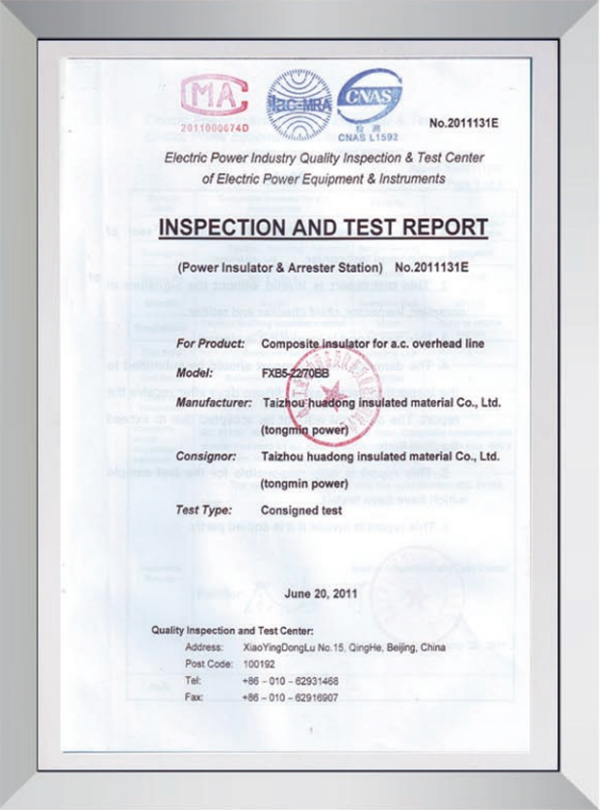
Composite suspension insulators have the characteristics of light weight and small size. The weight is only one-seventh to one-tenth of the same type of porcelain insulators, making it easy to transport and install. It has high mechanical strength, high bending failure load, high tensile strength, easy installation and maintenance, simple structure, and is not easily damaged. It has excellent aging resistance, using high-quality silicone rubber and acid-resistant and high-temperature-resistant epoxy glass fiber core rods. It has passed 5,000 hours of artificial aging tests, high-altitude tests, etc., proving its high reliability and long life in long-term operation. Silicone rubber sheds can repel moisture and form water droplets on the surface, making it difficult to form a continuous water film. This is a key feature of its anti-pollution flashover feature. It can effectively prevent arc discharge in polluted environments and maintain good performance even if the surface is contaminated.
4. Main application scenarios
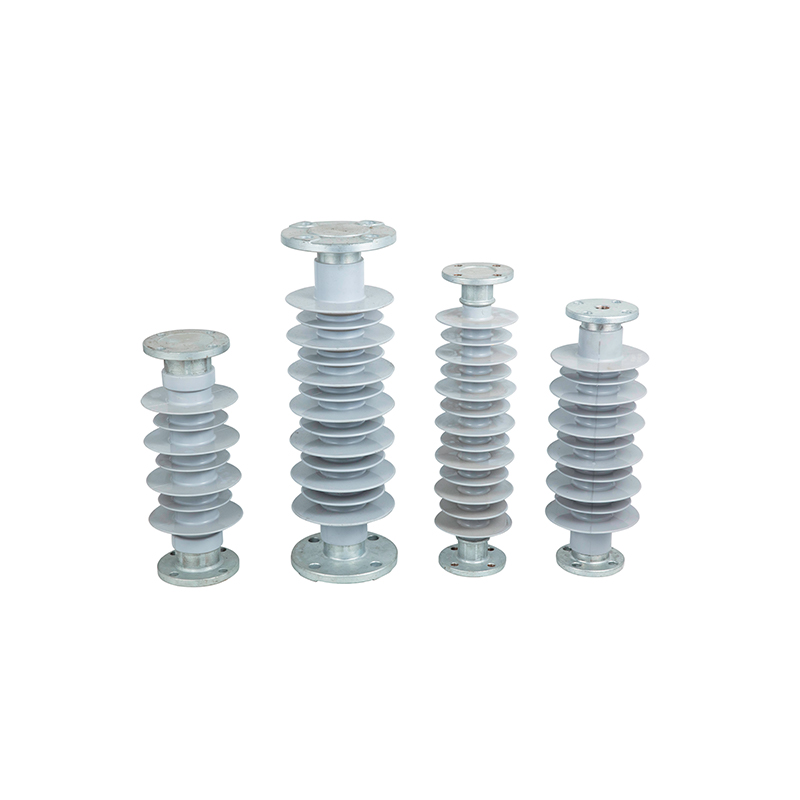
Composite suspension insulators are suitable for high-voltage and ultra-high-voltage transmission lines, covering voltage levels from 10kV to 500kV and above, and are suspended from transmission towers to support and insulate conductors. It is also suitable for substation equipment. Pillar-type composite insulators are used to support busbars, circuit breakers, isolating switches, and other equipment. In railway electrification systems, railway insulators are used in catenary systems to ensure the safety of power transmission. It is especially suitable for harsh environments such as high-altitude areas, heavily polluted and high-humidity coastal salt spray environments, and severe cold and freezing rain areas.